Обработка поверхности фурнитуры — основной процесс при изготовлении корпусов по индивидуальному заказу., аппаратные оболочки, детали из листового металла и механические компоненты. Благодаря профессиональным методам обработки поверхности, коррозионная стойкость и износостойкость металлических деталей могут быть эффективно повышены, текстура внешнего вида и структурная стабильность могут быть оптимизированы, и продукты могут лучше соответствовать стандартам промышленного использования и подходить для сценариев использования..
ШИДЗЕ, как профессиональная фабрика по обработке корпусов аппаратного обеспечения, обычно выбирает различные методы обработки поверхности в зависимости от конкретных сценариев использования аппаратных корпусов.. Для заводов по обработке метизов, Выбор подходящего процесса обработки поверхности напрямую определяет качество и срок службы продукции..
ШИДЗЕ будет систематически знакомить 6 основные процессы обработки поверхности оборудования с точки зрения таких аспектов, как процедуры обработки, применимые сценарии, основные технические моменты, и требования к конфигурации профессионального оборудования, предоставление профессиональных рекомендаций для выбора закупок и обработки заводской продукции.
Пескоструйная обработка поверхности
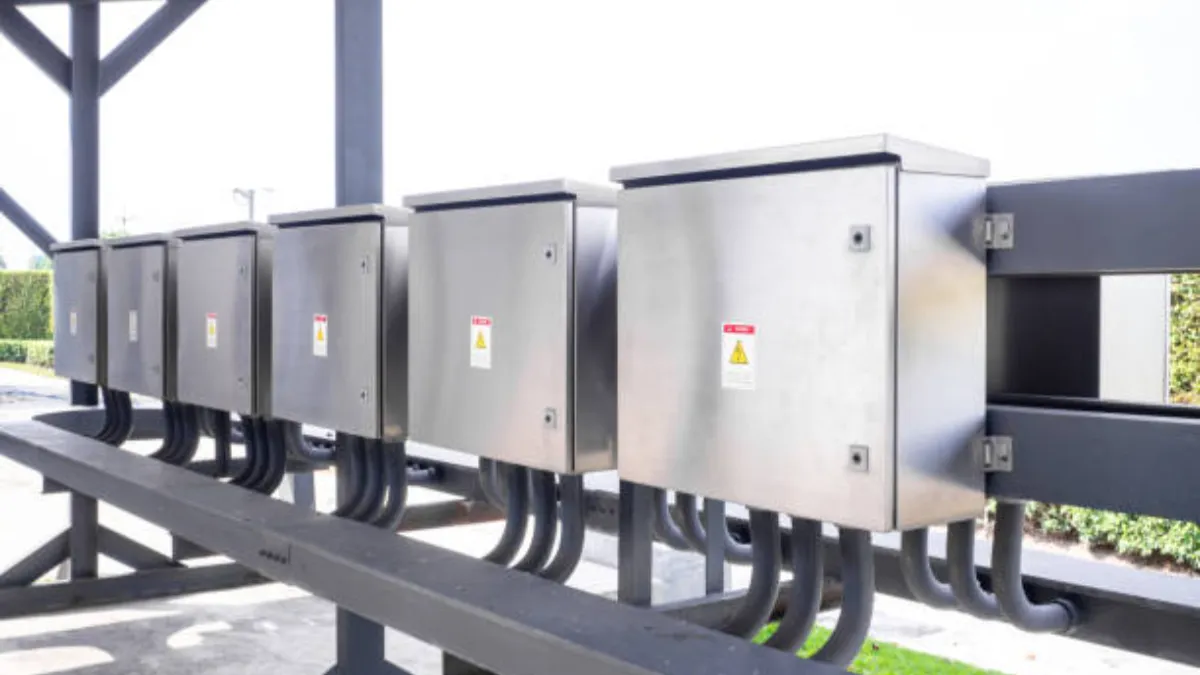
Пескоструйная обработка — классический процесс физической обработки поверхности.. Он использует воздух под высоким давлением для подачи абразивных частиц на поверхность металлических заготовок., и широко используется при предварительной обработке и матовой текстурной отделке нестандартных аппаратных корпусов и металлических корпусов.. Это универсальный базовый процесс аппаратной обработки..
Процедура обработки
Первый, тщательно очистите заготовку фурнитуры от масляных пятен, пыль, оксидные окалины, и примеси с поверхности. В соответствии с требованиями к твердости и текстуре поверхности материала заготовки., подберите соответствующие абразивы, например, стеклянные бусины, кварцевый песок, и бусины из нержавеющей стали. Поместите заготовку в герметичную пескоструйную камеру и отрегулируйте давление воздуха и расстояние распыления..
Благодаря равномерному воздействию абразива, полное шлифование поверхности, удаление заусенцев, и выравнивающая обработка. Окончательно, удалить пыль и провести вторичную очистку, чтобы исключить остатки абразива на поверхности заготовки, и приступаем к последующим процессам антикоррозионной обработки и покраски.
Применимые сценарии
Подходит для корпусов из алюминиевого сплава., аппаратный корпус из нержавеющей сталис, и различные детали из листового металла. В основном он обрабатывает продукты с матовым, антибликовый, и равномерная текстура шлифования. Его можно использовать в качестве процесса предварительной обработки перед анодированием и покраской., значительно улучшает адгезию покрытия. Широко применяется при обработке поверхности корпусов электронного оборудования., механические аппаратные аксессуары, случаи наружной связи, и обычные промышленные конструктивные элементы. Это также предпочтительный процесс для удаления следов инструмента и заусенцев с металлической поверхности после обработки на станке с ЧПУ., подходит для большинства не сверхвысокоточных аппаратных заготовок.
Технические моменты
Абразив должен строго соответствовать основанию.: для алюминия и тонкостенных метизов, стеклянные бусины предпочтительнее, чтобы избежать царапин на поверхности.; для толстостенной стали и тяжелых метизов, шарики из нержавеющей стали используются для увеличения поверхностной плотности.. Давление обрабатывающего воздуха должно быть стабилизировано на уровне 0,4–0,8 МПа для предотвращения неравномерной пескоструйной обработки и деформации поверхности детали..
Расстояние распыления фиксируется на уровне 10–15 см., головка пистолета движется с постоянной скоростью, обеспечивая равномерную шероховатость поверхности., со стандартной шероховатостью Ra, контролируемой в пределах 1,2–6,3 мкм.. Чрезмерная пескоструйная обработка категорически запрещена во избежание утонения толщины стенки заготовки и снижения прочности конструкции., влияет на стабильность продукта.
Очки снаряжения
Основное оборудование для обработки включает в себя полностью автоматические герметичные пескоструйные машины., воздушные компрессоры высокого давления, системы восстановления абразива, и пылеочистное оборудование. Промышленное пескоструйное оборудование должно поддерживать бесступенчатую регулировку давления воздуха и равномерное распыление по всей площади.. Он должен принять конструкцию герметичной камеры, чтобы соответствовать стандартам по охране окружающей среды и исключить загрязнение пылью..
Оборудование оснащено автоматическими системами сортировки и переработки абразива для снижения потерь материала и производственных затрат.. Для стандартизированных серийных деталей, таких как корпуса и корпуса., рекомендуется оборудовать поточное автоматическое пескоструйное оборудование для значительного повышения эффективности пакетной обработки..
Текстурирование металла
Текстурирование металла — это технология механической обработки текстуры, которая позволяет создавать непрерывную и равномерную текстуру на поверхности металла., баланс декоративных, противозадирных и противоабразивных характеристик. Это основной процесс внешнего вида для высококачественных нестандартных аппаратных корпусов и прецизионных деталей из листового металла..
Процедура обработки
Первый, выполнить зачистку и выравнивающую обработку поверхности заготовки для устранения неровностей, дефекты, и отметки обработки. В зависимости от требуемой крупности текстуры продукта., выберите шлифовальные ленты с разным размером ячеек, начиная от 180# к 800#. Используйте профессиональное текстурирующее оборудование для равномерного измельчения., достижение различных текстурных эффектов, таких как прямолинейное текстурирование, случайное текстурирование, и перекрестное текстурирование. После текстурирования, очищайте поверхность от пыли от шлифования и своевременно выполняйте герметизацию маслом для предотвращения окисления и нанесение защитной пленки во избежание обесцвечивания и образования пятен от окисления на поверхности заготовки..
Применимые сценарии
В основном это применимо к аппаратным компонентам из нержавеющей стали., алюминиевый сплав, и холоднокатаная сталь. Он широко используется в высококачественных корпусах электронных устройств., корпуса приборов и счетчиков, аксессуары для бытовой техники, корпуса средств связи, и т. д., а также высококачественную промышленную продукцию. Подходит для продуктов, требующих естественной металлической текстуры., против отпечатков пальцев, и устойчивость к истиранию и износу, эффективное повышение качества продукта. Он не применим к сложным изогнутым поверхностям или компонентам ультратонких стеновых конструкций., поскольку он склонен к деформации компонентов и неровным текстурам..
Технические ключевые моменты
Выберите абразивную ленту в соответствии с позиционированием продукта.: 180#Абразивные ленты с крупным зерном –320# используются для грубой обработки текстур промышленного оборудования., в то время как мелкозернистые абразивные ленты 400#–800# используются для высокоточной тонкой обработки декоративной оболочки.. Строго контролируйте скорость и давление шлифования, чтобы обеспечить равномерную глубину текстуры и исключить локальное перешлифование или пропуски шлифования.. Компоненты из алюминиевого сплава необходимо избегать чрезмерного шлифования, чтобы предотвратить высокотемпературное окисление и почернение поверхности..
Направление натертой текстуры должно быть равномерным., соответствие эстетическим требованиям сборки изделия, и обеспечение общей координации текстур. После процесса чистки, Последующая антиокислительная обработка должна быть завершена в течение 2 часы, чтобы предотвратить ржавчину, изменение цвета, и потеря блеска.
Ключевые моменты оборудования
Основное оборудование включает в себя плоскощеточные машины., вращающиеся щеточные машины, и полностью автоматические ленточно-шлифовальные станки. Высокоточные модели оснащены системами контроля постоянного давления., поддержание стабильного давления шлифования на протяжении всего процесса и устранение различий в цвете текстуры и неравномерной глубины. Оборудование поддерживает регулировку скорости и быструю замену абразивных лент., способен адаптироваться к различным потребностям обработки текстур.
Оборудование для серийного производства оснащено автоматической системой загрузки и разгрузки, что позволяет уменьшить количество ошибок человеческого вмешательства и улучшить стабильность продукта.. Стандартизированные профессиональные устройства для удаления пыли предназначены для очистки рабочей среды и соответствия нормам охраны окружающей среды промышленного производства..
Окисление алюминия
Окисление алюминия — это эксклюзивный процесс электрохимической обработки поверхности алюминиевых сплавов., и это самый распространенный антикоррозийный и декоративный процесс для алюминиевое шасси и аппаратные корпуса. Путем электролитических реакций, на поверхности металла образуется плотная и твердая оксидная пленка, существенное улучшение защитных свойств и текстуры внешнего вида алюминиевого материала..
Процесс обработки
Этапы предварительной обработки включают обезжиривание., щелочная промывка, кислотная промывка, и очистка чистой водой, тщательно выводим масляные пятна, естественные оксидные слои, и примесей с поверхности заготовки, чтобы обеспечить чистоту подложки.. Очищенную заготовку из алюминиевого сплава помещают в качестве анода в электролизер и подвергают электролитической окислительной обработке постоянным током.. На поверхности алюминия образуется равномерный слой оксидной пленки.. После процесса окисления, согласно требованиям, раскраска, можно провести герметизирующую обработку, и наконец, его очищают и сушат для завершения общей обработки., эффективно фиксирует цвет слоя пленки и повышает коррозионную стойкость.
Применимые сценарии
Это применимо только к аппаратным компонентам из алюминиевого сплава и алюминиевого профиля.. Это основная технология обработки алюминиевого шасси., Корпуса оборудования, новые энергетические аксессуары, и прецизионные детали из листового металла.
Широко используется в оборудовании наружной связи., шасси промышленного управления, корпуса медицинского оборудования, потребительские электронные аксессуары, и т. д., для изделий, требующих антикоррозионной защиты, антиокислительный, и текстура внешнего вида. Может быть выполнен на натуральных матовых или цветных декоративных поверхностях., баланс практичности и эстетики. Он не подходит для стали., нержавеющая сталь, и другие компоненты из неалюминиевых материалов.
Технические ключевые моменты
Предварительная обработка должна быть тщательной., с остаточными масляными пятнами и оксидными слоями, вызывающими неравномерность оксидной пленки, дырочки, и расслаивание. Строго контролировать электролитическое напряжение., текущий, и время окисления. Толщина обычной пленки твердого оксида алюминия регулируется в пределах 5–25 мкм., а толщина обычной декоративной оксидной пленки – 3–10 мкм..
Процесс окраски должен контролировать температуру, концентрация, и продолжительность, чтобы обеспечить равномерный цвет без цветовых различий и легкое сохранение цвета.. Герметизирующая обработка имеет решающее значение, эффективно закрывает микропоры оксидной пленки, значительное повышение антикоррозийных и противозагрязняющих свойств компонента, и избежать побеления и накопления грязи в дальнейшем.
Ключевые моменты оборудования
Все оборудование включает в себя резервуары предварительной очистки., резервуары электролитического окисления, раскраски танков, герметизация резервуаров, системы постоянного контроля температуры, Стабилизированные источники питания постоянного тока, и сушильное оборудование. Промышленные производственные линии должны быть оснащены точными системами контроля температуры, чтобы обеспечить постоянную температуру раствора электролита и избежать колебаний качества мембранного слоя..
Силовое оборудование должно поддерживать точную регулировку тока и напряжения для адаптации к различным требованиям обработки мембранных слоев.. Серийное производство требует настройки полностью автоматизированной сборочной линии для автоматической загрузки и разгрузки., а также переключение корпуса слота, обеспечение однородного качества продукции для каждой партии и снижение уровня брака.
Электростатическое распыление / Покраска Обработка
Электростатическое распыление включает в себя два процесса.: порошковое напыление и покраска. Он использует принцип электростатической адсорбции для равномерного прикрепления покрытия к поверхности оборудования., какой самый универсальный, сбалансированный по защите и декоративным эффектам, и подходит для большинства металлических материалов.
Процесс обработки
Первый, заготовка подвергается обезжириванию, удаление ржавчины, и шлифовка/предварительная обработка для улучшения адгезии поверхности.. Использование оборудования для электростатического распыления., порошковое покрытие или краска распыляется и равномерно покрывается поверхностью заготовки за счет электростатической адсорбции.. После распыления, заготовка отправляется в печь с постоянной температурой для высокотемпературного отверждения.
Температура отверждения при порошковом напылении составляет 180–220 ℃., пока для жидкой покраски, это низкотемпературное выравнивающее отверждение. После охлаждения, проверяются ровность поверхности и адгезия, и любые дефекты устраняются до завершения.
Применимые сценарии
Подходит для большинства аппаратных материалов, таких как стальные пластины., холоднокатаная сталь, нержавеющая сталь, и алюминиевые сплавы. Он обладает высокой универсальностью и широко используется в промышленных случаях., корпуса шкафов, оборудование из листового металла, кронштейны для наружного оборудования, и аксессуары для бытовой техники. Подходит для заготовок, требующих чисто цветовой отделки., предотвращение пыли, предотвращение ржавчины, и устойчивость к атмосферным воздействиям, и может быть настроен в любом цвете, матовый, глянцевый, или матовая текстура. Это наиболее экономичный процесс периодической обработки поверхности..
Технические моменты
Предварительная обработка является основным средством предотвращения отслаивания и растрескивания краски.. Поверхность не должна иметь масляных пятен., оксидные окалины, и иметь соответствующую шероховатость. Контроль электростатического напряжения и толщины напыления, избегая просвечивания тонких слоев краски, толстые слои краски бегут, и накопление порошка. Температура и продолжительность отверждения должны строго соответствовать параметрам покрытия..
Недостаточная температура приведет к плохой адгезии и легкому отсоединению., в то время как чрезмерная температура приведет к тому, что поверхность краски пожелтеет и растрескается.. Для наружных изделий необходимо использовать устойчивые к атмосферным воздействиям покрытия, чтобы эффективно противостоять ультрафиолетовым лучам и дождевой эрозии., предотвращение выцветания и пудрения с течением времени.
Очки снаряжения
Основное оборудование включает электростатические распылительные машины., электростатические распылители, печи для отверждения с постоянной температурой, беспылевые помещения для распыления, и системы восстановления порошка. Производственная среда должна быть свободной от пыли и сухой, чтобы избежать прилипания примесей к поверхности и появления дефектов частиц.. Полностью автоматическое распылительное оборудование обеспечивает равномерное распыление под разными углами., подходит для заготовок сложной структуры без слепых зон для нанесения покрытия.
Оборудование для порошкового напыления оснащено системой рекуперации для увеличения использования покрытия и экономии затрат.. Для пакетной обработки предпочтительно использовать оборудование для линейного распыления., подходит для стандартизированного производства больших партий корпусов и корпусов.
Электрофоретическая обработка поверхности
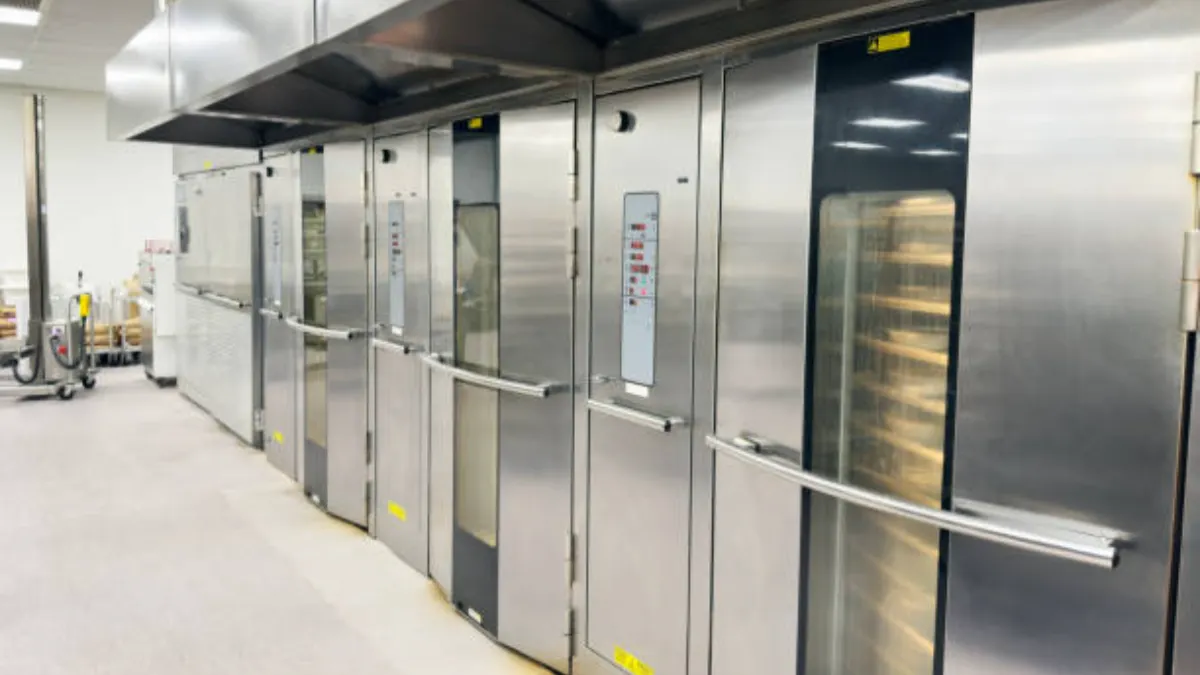
Электрофоретическое покрытие — это точный процесс нанесения покрытия, в котором используется эффект электрического поля для равномерного нанесения покрытия на металлическую поверхность.. Слой пленки однородный., имеет сильную адгезию, и отличная коррозионная стойкость, подходит для сложных прецизионных аппаратных заготовок.
Процесс обработки
Заготовка подвергается обезжириванию, промывка водой, фосфатирование, и промывка чистой водой для тщательной очистки поверхности основного материала.. Заготовка помещается в качестве электрода в электрофоретический резервуар., и после включения, Частицы покрытия равномерно адсорбируются и осаждаются на поверхности заготовки., образуя равномерную пленку. После электрофоретического покрытия, заготовка вынимается, поверхность промывают несколько раз, чтобы удалить плавающую краску., и, наконец, высушивается и отверждается при постоянной температуре с образованием плотной, гладкое защитное покрытие.
Применимые сценарии
Подходит для аппаратных материалов, таких как сталь., алюминиевый сплав, и оцинкованные пластины, специально для корпусов сложной конструкции и оболочек неправильной формы, канавки, края, и впадины. Он широко используется в точном электронном оборудовании., аксессуары для коммуникационного оборудования, части автомобильного оборудования, и высококачественные промышленные корпуса. Слой пленки тонкий и равномерный., не влияет на точность сборки заготовки, подходит для продуктов со строгим допуском по размеру, высокая коррозионная стойкость, и высокая гладкость.
Технические моменты
Строго контролировать концентрацию электрофоретической жидкости., температура, значение pH, и время включения. Колебания параметров напрямую приведут к неравномерной толщине пленки., различия в цвете, и воздействие. Фосфатирование должно быть равномерным и полным для повышения адгезии покрытия и коррозионной стойкости.. Для скрытых деталей, таких как края, пробелы, и щели заготовки, оптимизировать параметры электрического поля, чтобы исключить пропущенное или тонкое покрытие. Температуру сушки следует постепенно повышать с постоянной скоростью, чтобы избежать дефектов внешнего вида, таких как вздутие., апельсиновая цедра, и трещины на покрытии.
Ключевые моменты оборудования
Все оборудование состоит из резервуара предварительной очистки., электрофоретический резервуар, система чистой воды, сушильная печь с постоянной температурой, и электрически управляемая система стабилизации.. Оборудование должно быть оснащено точной системой контроля параметров для поддержания стабильной температуры и значения pH электрофоретической жидкости., а также напряжение и ток.
Система очистки чистой воды является основой, устранение влияния примесей, содержащихся в воде, на качество покрытия. Полностью автоматическая линия электрофореза обеспечивает равномерное покрытие заготовки во всех направлениях., и подходит для серийной прецизионной обработки заготовок сложной структуры., с чрезвычайно высокой доходностью.
Гальванизация поверхности (Горячее погружение/электролитическое цинкование)
Процесс цинкования делится на электрогальванизацию и горячее цинкование.. Это самый классический и экономически эффективный процесс защиты от ржавчины стальных материалов в метизах., достижение защитной анодной защиты путем нанесения слоя цинка на стальную поверхность, значительно повышает стойкость стали к ржавчине.
Процесс обработки
Заготовку предварительно подвергают обезжириванию., кислотная промывка, и промывка водой для предварительной обработки для удаления ржавчины и масляных пятен со стальной поверхности..
Электрогальванизация: Поместите заготовку в электролит цинкования., и после включения, Ионы цинка осаждаются на поверхности заготовки, образуя тонкий слой цинка., с последующей пассивацией и герметизацией.
Горячее цинкование: Очистите стальную заготовку и погрузите ее в высокотемпературную расплавленную цинковую жидкость., полностью погрузить его, вынь это, круто и форма, для образования толстого защитного слоя цинка.
Применимые сценарии
Подходит исключительно для углеродистой стали., холоднокатаная сталь, горячекатаная сталь, и другие детали оборудования из стального материала. Электрогальванизация подходит для прецизионного листового металла., небольшие аппаратные аксессуары, и легкие элементы конструкции шасси, с тонким покрытием, высокая точность, и плоский внешний вид. Горячее цинкование подходит для тяжелых условий эксплуатации на открытом воздухе., кронштейны для оборудования, крупногабаритное шасси со стальной конструкцией, и инженерное оборудование, отличается сильной коррозионной стойкостью и долговечностью, подходит для улицы, влажный, и агрессивные суровые условия труда.
Технические моменты
Электрогальванизация требует строгого контроля толщины покрытия., с условной толщиной 3–15 мкм. Пассивационная обработка может еще больше повысить коррозионную стойкость., включая белый цинк, синий цинк, цветной цинк, и черный цинк, с различной внешностью. Горячее цинкование требует контроля температуры и продолжительности погружения цинка, чтобы избежать недостаточного покрытия., цинковые конкреции, и грубые поверхности.
После цинкования, проводится своевременная пломбировочная обработка для предотвращения окисления и побеления слоя цинка, и образование белой ржавчины. Для гальванического цинкования предпочтительны прецизионные тонкостенные заготовки, чтобы избежать деформации, вызванной высокой температурой при горячем цинковании..
Ключевые моменты оборудования
Оборудование для гальванизации включает в себя гальванические ванны., выпрямительные источники питания, пассивационные резервуары, сушильное оборудование, и системы циркуляции воды; Оборудование для горячего цинкования включает в себя высокотемпературные цинковые ванны., оборудование для предварительного нагрева, оборудование для удаления пыли, и охлаждающее и формовочное оборудование.
Линия гальванического производства требует стабильного выходного тока для обеспечения равномерного и однородного покрытия.; Оборудование для горячего цинкования требует точного контроля температуры, чтобы адаптироваться к крупномасштабной обработке заготовок.. Оборудование оснащено системой очистки сточных вод, обеспечивающей защиту окружающей среды., соответствие экологическим стандартам промышленного производства, и подходит для требований серийного массового производства
Заключительные мысли
Различные процессы обработки поверхности фурнитуры имеют существенные различия в защитных характеристиках, эффект внешнего вида, расходы, совместимые материалы и условия работы: Пескоструйная обработка подходит для базовой выравнивающей предварительной обработки и матовой текстуры.. Полировка металла в основном включает в себя высококачественные декоративные металлические текстуры..
Анодирование — это эксклюзивный высококачественный процесс защиты от коррозии алюминиевых сплавов.. Электростатическое распыление отличается высокой экономичностью и насыщенными цветами.. Электропокрытие подходит для сложных и точных деталей.; Гальванизация является предпочтительным экономичным методом предотвращения ржавчины стальных деталей.. Производители аппаратных средств обработки могут, в зависимости от материала изделия, сценарий использования, Требования к точности и бюджет, подобрать наиболее оптимальный план обработки поверхности, с учетом как качества продукции, так и себестоимости продукции.