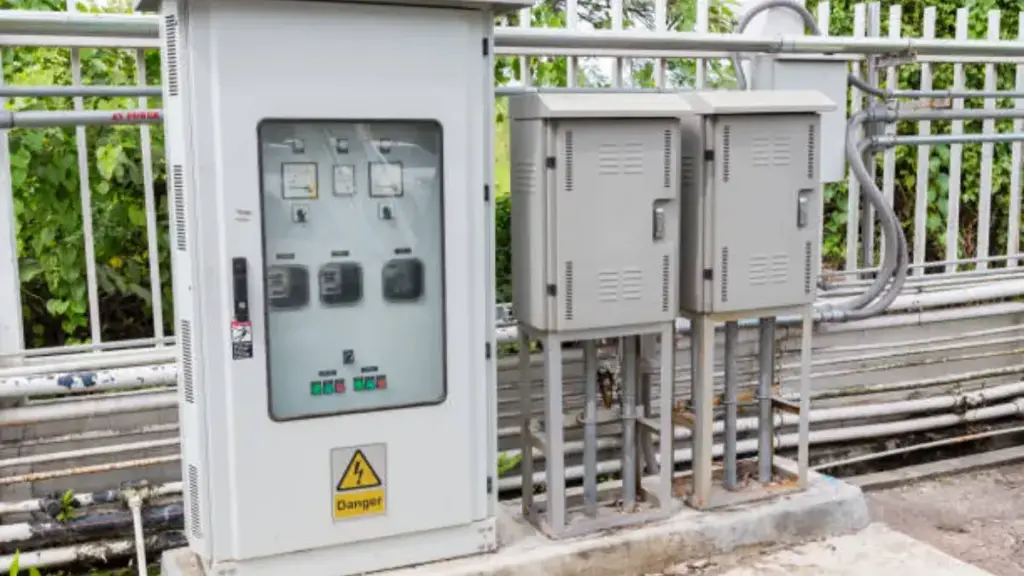
The water is gone before anyone opens the box. A street-level cabinet sits under storm water for an hour, the drain clears, and a technician arrives with a torch and a clipboard. He does not look at the electronics first. He looks at the dark line of gasket sitting in its groove, because that line is what IP67 enclosures actually buy.
IP67 is a two-digit code from IEC 60529, the international standard for ingress protection, and it makes one narrow promise. O 6 says dust-tight: no free particles get in. O 7 says the box survived being underwater for a defined half hour, with its lowest point one metre below the surface. That is the whole claim, and it is narrower than the word waterproof.
Key takeaways
- Two digits, two jobs: 6 means dust-tight, 7 means temporary immersion under IEC 60529.
- The rig: lowest point 1 m below the surface, at least 150 mm of water over the top, 30 minutos.
- The load: a metre of standing water is about 10 kPa at the lowest point, so IP67 is a submersion test, not a pressure test.
- IP67 is not IP68: anything deeper than 1 m or longer than half an hour moves to agreed terms.
- The seal: gaskets are designed around 40 % compression, com 10-15 % as the working floor.
- The failure mode: compression set leaves a fastened gasket at about 75 % of its restoring force.
- The blind spot: a sealed box still breathes with temperature swings, and no IP digit rates condensation.
What IP67 Means in IEC 60529
Read the code as a purchase specification and the two halves separate cleanly. The first digit covers solids, the second covers liquids, and each is tested on its own terms. CEI 60529 has been amended twice since 1989, so a datasheet that cites the 2013 edition is telling you which version it was written against.
O 6 is the stricter of the dust grades. It does not claim a vacuum; it claims that no free-falling dust enters in a quantity that interferes with safe operation. That distinction matters in a plant with abrasive powder or conductive fines, where dust-tight is the only grade worth buying.
O 7 is where most assumptions about IP67 enclosures go wrong. It is a submersion test, not a rain test, and driving rain is already handled by lower digits. Impact protection lives in a separate standard, CEI 62262, so a box can be fully IP67 and still carry no IK rating at all.
| Code part | What it commits to | What it does not cover |
|---|---|---|
| First digit 6 | À prova de poeira: no harmful ingress | Abrasive slurry, conductive powder |
| Second digit 7 | 30 minutos às 1 m of head | Directed jets, hot water, moving water |
| No third mark | No impact rating claimed | IK codes need IEC 62262 |
Corrosion is a third decision again. The IP digits measure ingress, not what five years of salt air does to a steel flange or a painted enclosure skin. That fight is settled by material and coating, and no digit on the nameplate will settle it for you. Nosso IP rating explained guide reads the full ladder if you need to place 7 against the grades around it.
How the Immersion Test Is Performed
The test is a tank, a timer and a measuring tape. Fill the tank with still water. Sink the enclosure so its lowest point sits one metre below the surface. Hold the water level at least 150 mm above the highest point of the box for 30 minutos, then lift it out and look inside.
| Parameter | Value | Why it matters |
|---|---|---|
| Depth | Lowest point 1 m below surface | Sets the static head on the seals |
| Water cover | At least 150 mm above the top | Keeps the whole enclosure submerged |
| Duration | 30 minutos | Defines temporary, not continuous, exposure |
| Water state | Still, no flow, no nozzle | Moving water belongs to other digits |
The water column is the entire load, and that column is short. At the lowest point the head is roughly 10 kPa, one-tenth of a bar, and over the top it is about 1.5 kPa. That is a gentle squeeze, not a jet. So the test proves the box keeps water out while sitting quietly in a puddle. It proves nothing about a pressure washer, a burst pipe or a wave.
IP67 describes a new box sitting in still water for half an hour. It says nothing about the fifth time that lid is opened.
Passing is judged by what you find inside. Water stays out of the housing. The practical inspection is a tissue along the drip line, a look at the terminals, and a check of the low corner where any leak collects. Nothing in the test grades how long that box would last if you simply left it under.
Read a datasheet with that geometry in mind. Vendors often word the same window as a capability range, quoting protection against immersion up to one metre. That reads like an engineering limit, and it is only a restatement of one test condition. The line worth having in writing names the depth, the duration and the edition of IEC 60529 used. Anything vaguer cannot go into a purchase specification.
IP67 Against IP66 and IP68
Three neighbouring codes cause most of the confusion, and they are not a single ladder of wetter and wetter. IP66 is a jet: um 12.5 mm nozzle at about 100 L/min aimed at the enclosure from roughly 3 eu. IP67 is a puddle. Different hazard, different seal behaviour, different failure.
| Code | Water test | Typical duty | Watch out for |
|---|---|---|---|
| IP66 | 12.5 mm jet, about 100 L/min | Washdown bays, exposed street cabinets | Standing water at a door seam |
| IP67 | 1 m submersion, 30 minutos | Flood-prone pads, below-grade ducts | A lid opened weekly on site |
| IP68 | Beyond 1 eu, agreed with buyer | Sumps, marinho, permanently wet pits | Depth and duration stated in writing |
| NÃO HÁ 6 | Six feet for 30 minutos | US-spec panels and sites | A separate system, not a translation |
IP68 is where the number stops being self-explanatory. O 8 means continuous submersion beyond the IP67 condition, at a depth and duration set by the manufacturer and the purchaser together. A datasheet claiming IP68 without naming those two figures has claimed a word, not a specification.
The spread inside a single code is wider than buyers expect. Wiska supplies its COMBI MAR range at IP66/IP67 as standard, while its IP68 SET kit is rated to 15 m para 170 hours under DIN EN 60529. Two boxes carrying the same first digit can live in completely different worlds.
NÃO HÁ 6 is the closest US analogue, and it is not a translation. Under NEMA 250, type 6 covers immersion at six feet for 30 minutos, and type 6P holds that depth for 24 horas. Six feet is nearly twice the IP67 depth, so the US code starts from a deeper tank. Pick one system per project and stop comparing across the columns. For the full side-by-side on the deeper code, see our IP67 versus IP68 comparison.
Specifying an IP67 enclosure?
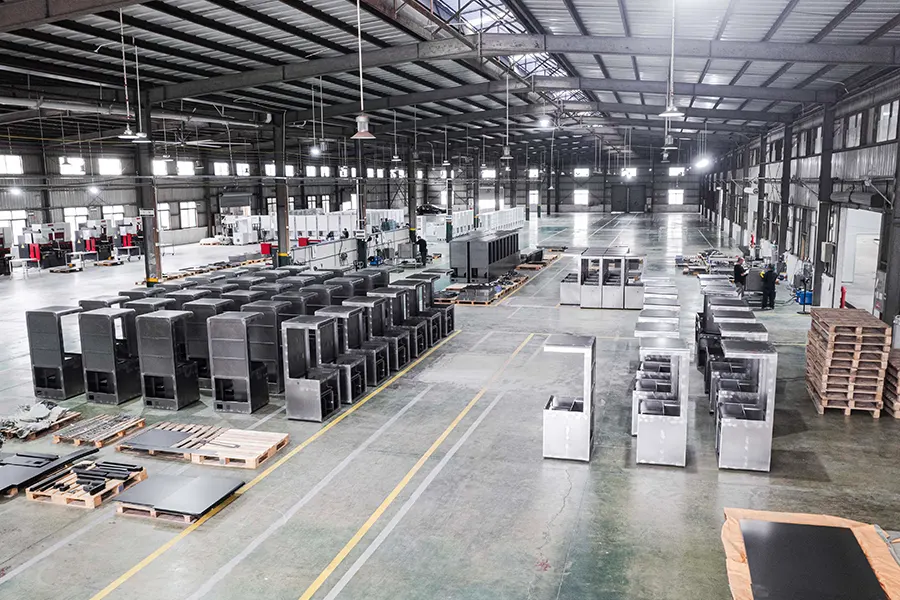
The Sealing Design Behind the Rating
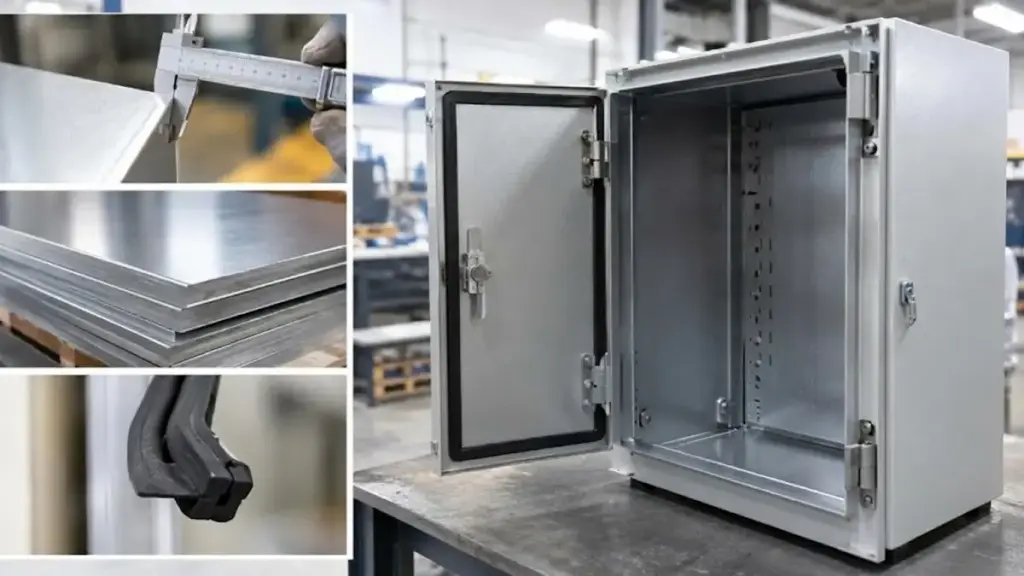
A rating is a result, and for IP67 enclosures the result comes out of a groove. The gasket is compressed between the door flange and the body, and the fasteners decide how much. Seal suppliers publish the same rule of thumb: Elasto Proxy’s compression guidance puts ideal squeeze near 40 % and treats 50 % as the ceiling. Below 10-15 % the gasket stops following the metal.
Bolt pitch matters as much as squeeze. Fasteners spaced too widely let the flange spring open between them no matter how tight each individual screw is. A moulded cord and a formed-in-place silicone bead behave differently under the same clamp load, and your drawing should say which one you are buying.
Material follows duty. Closed-cell foam blocks both water and air and suits a groove designed for heavy squeeze. Above that duty, seal makers generally reach for solid or formed silicone, because it resists moisture and keeps a watertight line under a heavier clamp.
The failure mode has a name: compression set, the permanent deformation that stops a gasket springing back. A fastened gasket can settle to roughly 75 % of its original restoring force soon after assembly, and thermal cycling plus door openings accelerate the loss. Labs measure it as ASTM D395, where a sound elastomer stays inside 25-30 % on the 70 °C, 22-hour baseline.
Then there is the water that arrives from inside. A sealed box breathes: air warms, expands and escapes; the box cools overnight and pulls outside air back through the same gasket, carrying moisture with it. That moisture condenses on the coldest surface, usually a busbar or a controller housing. No IP digit rates humidity, and a pressure-equalising vent with a hydrophobic membrane is the standard answer. Nosso enclosure cooling systems guide covers what each cooling route costs you in protection.
Where IP67 Earns Its Keep
IP67 enclosures pay for themselves where water arrives and then stands. Standing water is the trigger, because that is the condition the digit was built to survive. Everywhere the hazard is a spray or a jet, a lower or different code does the job for less metal and less gasket.
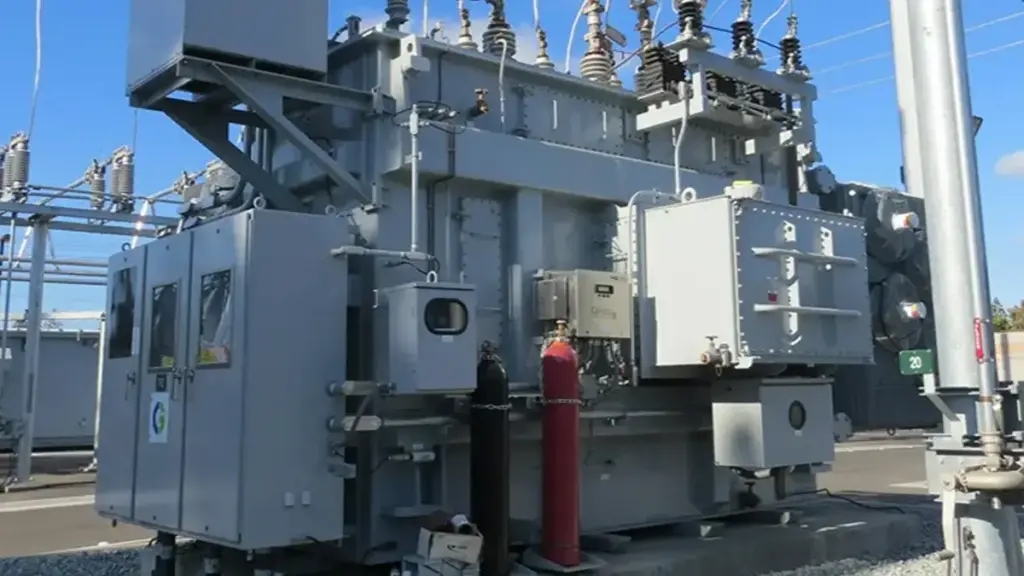
Cabinets on a Flood-Prone Pad
A pad that holds water after a storm is the textbook case. The enclosure is not being washed; it is sitting in a shallow lake for an hour or two while the site drains. Battery and power-conversion cabinets in that position want the immersion digit, and the flange design that goes with it. Nosso energy storage cabinet enclosures are built for exactly that outdoor duty.
Street-Level and Below-Grade Installations
Kerbside cabinets, duct boxes and anything set into a pit share one exposure: water collects at the base and stays there. Gully flooding, a burst main, a blocked drain. The 30-minute window is generous for most of these events, and it is the reason the code is worth specifying rather than upgrading.
Coastal Pole and Washdown-Adjacent Duty
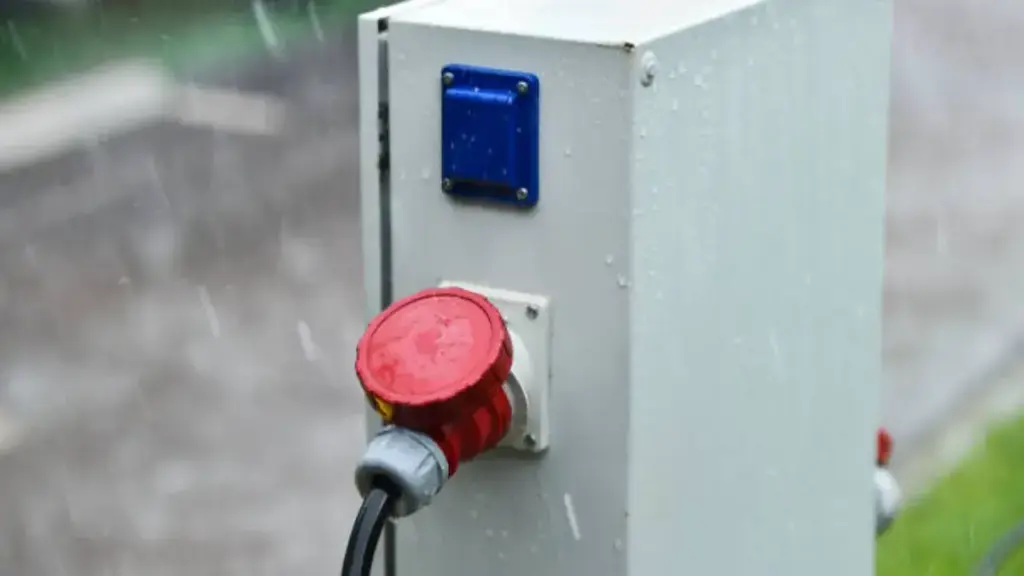
A charging cabinet on a kerb faces road splash, tanker spray and standing water in the mounting recess. That is why an EV charger enclosure for this position is specified by exposure rather than by the word outdoor. Note what is not here: a washdown bay. Directed jets at close range are IP66 territory, and a box bought for immersion can still leak on a hose.
Verifying the Claim Before You Order
Before ordering IP67 enclosures, ask what the paperwork actually contains. Most of the market repeats the two characters and stops. The verification below takes an afternoon and catches the majority of over-claimed boxes.
| Element | Ask for | Red flag |
|---|---|---|
| Test evidence | Padrão, edition and the lab that ran it | “IP67 tested” with no report reference |
| Gasket | Material, cross-section, compression set figure | A cord quoted only by colour |
| Flange | Bolt pitch and torque on the assembly drawing | Wide screw spacing on a long flange |
| Breathing | Vent provision or a thermal assessment | Louvers in a box sold as sealed |
| Re-seal plan | Replacement gasket part number and price | No spare gasket offered at all |
The last row is the one buyers skip. A gasket that is compressed, opened weekly and baked in summer sun is a consumable. A supplier who cannot quote a replacement part is selling you a rating with an expiry date you cannot see. Ask for the part number before the first unit ships, not after the first wet season.
For a custom box, the conversation moves from certificates to drawings. Specify the groove, the bolt circle and the vent provision on the print, and you can audit the build against it. That is the argument for custom sheet metal fabrication: the flange geometry is yours to define rather than yours to work around.
Frequently Asked Questions About IP67
What does IP67 water resistant mean?
It means two separate things. IP67 enclosures are dust-tight, so no ingress interferes with safe operation. They also survive 30 minutes submerged, lowest point one metre under still water, with at least 150 mm of water above the top. Chuva, jets and pressure sit under other digits.
Can an IP67 enclosure be left underwater?
Não. O 7 in IP67 enclosures is a short-time code: 30 minutos, then the box comes out. Continuous submersion is code 8, where depth and duration are agreed between manufacturer and purchaser and written on the datasheet. Leaving an IP67 box under water past half an hour is outside anything that was tested.
What depth can IP67 withstand?
One metre, measured to the lowest point of the enclosure, with the water surface held at least 150 mm above the top. That geometry puts roughly 10 kPa of static head on the lowest point. Deeper water needs IP68 terms, and moving water needs a jet code instead.
Does opening the lid break the IP67 rating?
It breaks the condition the test was run on. Every opening compresses the gasket a further time, and dust or grit in the groove lifts the seal off its line. Re-seat the gasket, check the channel for debris, and torque the fasteners in sequence across the flange.
How often should an IP67 gasket be replaced?
CEI 60529 sets no replacement interval, so judge the cord by duty rather than by calendar. Sun, salt air, weekly openings and heat cycles all accelerate compression set. Ask for the replacement part number at order and inspect the cord each season, replacing it once it stops recovering.
Is IP67 the same as NEMA 6?
They overlap but are not interchangeable. NÃO HÁ 6 is tested at six feet of submersion for 30 minutos, and NEMA 6P extends that to 24 horas, while IP67 uses a one-metre geometry for 30 minutos. Pick one system per project and specify its own test.
Keep the Rating After the First Opening
IP67 enclosures carry a precise, narrow promise, and they are worth buying exactly when your site matches it. Standing water for less than half an hour at about a metre is the case. Everything else, jets, deep water, humidity, corrosão, is a different digit or a different material decision.
- Read the rig, not the badge: 1 m at the lowest point, 150 mm over the top, 30 minutos, still water.
- Buy the groove: around 40 % squeeze, sane bolt pitch, silicone or closed-cell foam chosen for the duty.
- Plan the second opening: compression set is the clock on every sealed lid, so order the spare gasket with the box.
- Close the paperwork gap: standard edition, test reference and a stated depth for anything claiming IP68.
Start from the drawing rather than the datasheet. Send the flange geometry and the wettest week your site has ever had to our engineering desk, and SHIJIE answers within 24 horas.