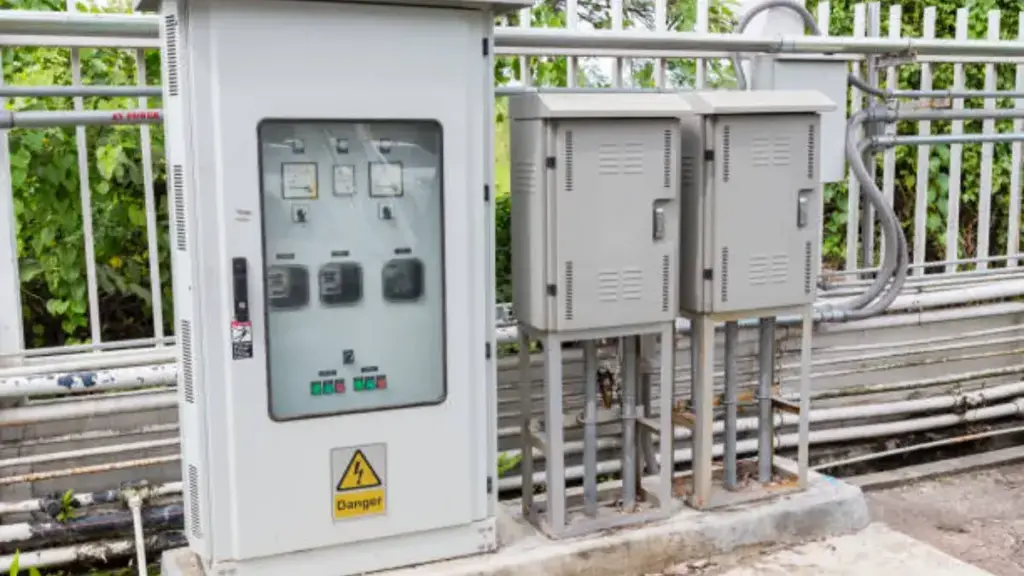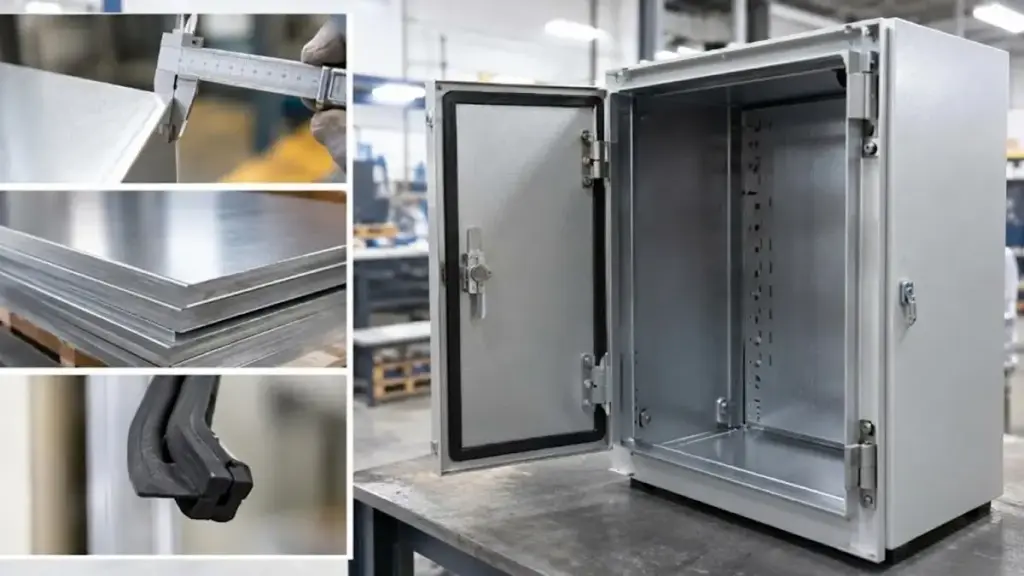
The selection of materials for customizing hardware enclosures, industrial computer cases, and equipment sheet metal shells is a crucial part of product design. The performance of the materials directly determines the structural strength, rust resistance, appearance texture, processing difficulty, and production cost of the enclosures. Many hardware enclosures suffer from problems such as deformation, easy rusting, poor surface treatment, and short lifespan. The root cause of these issues is the mismatch between the materials and the usage scenarios.
As a custom hardware processing factory, SHIJIE has addressed the customization needs for hardware in industrial equipment, electrical cabinets, and charging stations, and has compiled 5 of the most commonly used custom materials for hardware enclosures on the market. Through two dimensions – core material characteristics and precise application scenarios – this analysis helps designers and purchasers quickly make cost-effective material selections.
Cold-rolled steel SPCC
Material Properties
Cold-rolled steel plates are the most commonly used basic material for the mass production of hardware enclosures. They have moderate hardness, good toughness, and strong plasticity. They have excellent processing performance for bending, stamping, and welding, and are not prone to cracking or deformation. The surface is smooth and flat, without oxide scale. The subsequent spraying, electrophoretic coating, and baking paint adhesion is excellent, and the color application is uniform without flaws.
The material cost is low and procurement is convenient, making the production cost highly cost-effective. 하지만, they do not have rust prevention properties on their own. In exposed environments, they are prone to oxidation and rusting easily. Therefore, surface protection treatment must be combined.
Applicable Scenarios
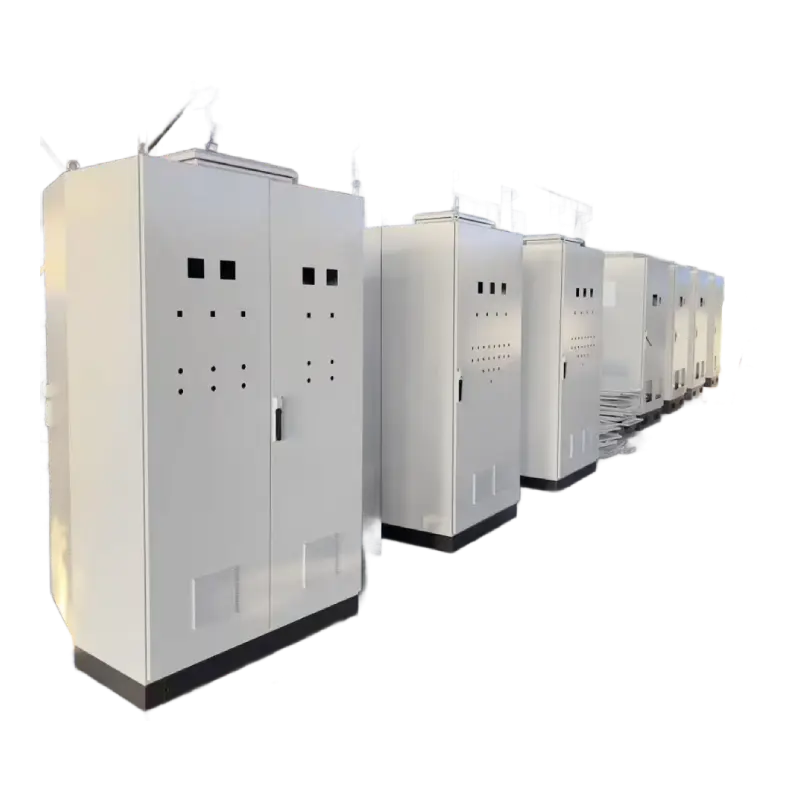
Various custom-made hardware enclosures and industrial computer cases suitable for indoor use and non-corrosive environments, including indoor power enclosures, instrument equipment shells, household appliance sheet metal enclosures, ordinary industrial computer cabinets, and internal and external support shells for mechanical equipment. They are suitable for projects requiring complex bending, stretching molding, mass production, and controllable budget. They are the preferred material for indoor industrial sheet metal customization.
Galvanized Steel Sheet SGCC / SECC

Material Properties
Galvanized steel sheets are divided into hot-dip galvanization and electro-galvanization. The substrate surface already has a zinc layer for protection, possessing inherent rust prevention capabilities, and no need for basic rust prevention treatment. The sheet’s rigidity is superior to that of cold-rolled sheets, with high flatness and low susceptibility to deformation. The processing performance is stable, allowing for direct bending, 펀칭, 그리고 조립.
The surface of SECC electro-galvanized sheets is finer and has a higher flatness, making it suitable for precision enclosures; while SGCC hot-dip galvanized sheets have a thicker zinc layer and stronger rust prevention performance. The overall cost is higher than that of cold-rolled sheets but lower than stainless steel, offering a balanced cost-performance ratio.
Applicable scenarios
It is mainly suitable for indoor environments with moderate humidity and slight dust. It is commonly used in server cases, communication equipment shells, internal shells of charging stations, and industrial equipment hardware shells. It is suitable for products that do not require complex surface treatments, aim for basic rust prevention, and require stable mass production. It is the mainstream material choice for the shells of small and medium-sized electronic devices.
Stainless Steel Sheets: SUS201 / SUS304
Material properties
The greatest advantages of stainless steel are no painting required, high strength, strong rust prevention and corrosion resistance. SUS201 has high hardness and good cost performance, making it suitable for regular environments; SUS304 is excellent in acid and alkali resistance, corrosion resistance and oxidation resistance, and is suitable for harsh working conditions.
The sheet material has high structural strength, is not prone to deformation, can withstand high temperatures and wear, and can be used for long-term exposure. 하지만, its disadvantages are large rebound, high processing difficulty, easy cracking during bending, easy color change during welding, and relatively higher processing costs for precision work.
Applicable scenarios
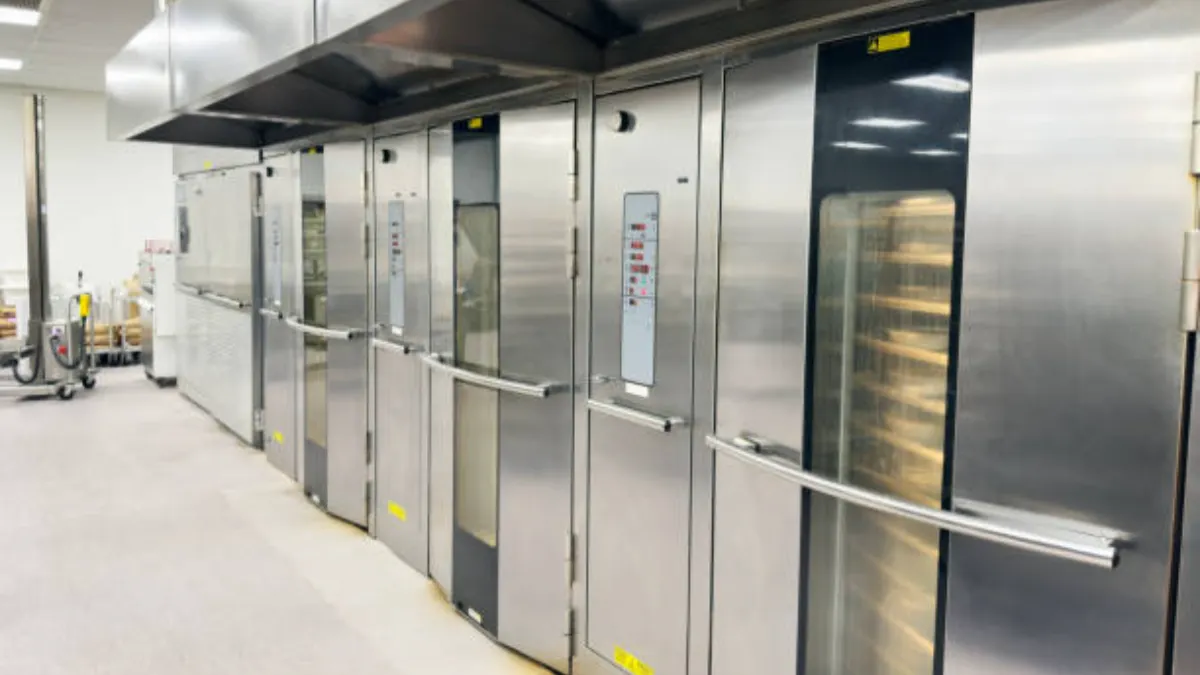
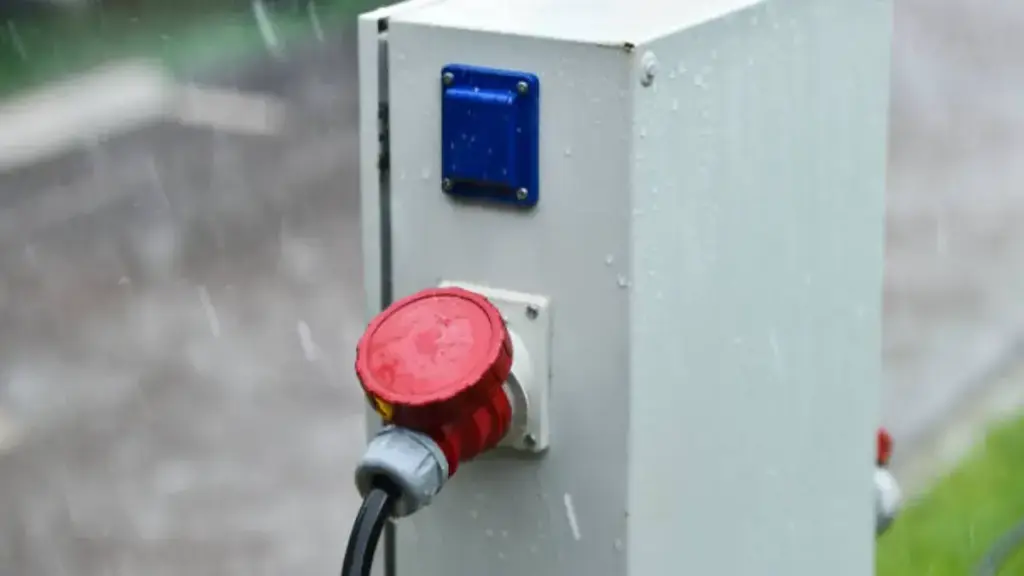
Mainly used in outdoor, humid, acidic, alkaline, dusty harsh working conditions, as well as for high-end enclosures that require a bare metal texture. Commonly found in outdoor communication cabinets, medical equipment enclosures, food equipment hardware shells, security equipment enclosures, outdoor waterproof cabinets, and industrial anti-corrosion equipment shells. Among them, 304 stainless steel is the standard material for high-end outdoor, 의료, and industrial anti-corrosion scenarios.
Aluminum sheet 5052 / 6061
Material Properties
Aluminum alloy is lightweight, has a low density and excellent heat dissipation performance, making it the preferred choice for lightweight enclosures. 5052 aluminum alloy has good toughness, strong bending performance and is not prone to cracking, making it suitable for sheet metal bending and forming; 6061 aluminum alloy has high hardness and strong structural properties, making it suitable for high-precision assembly enclosures.
The surface of the aluminum material can be processed with advanced techniques such as anodizing, sandblasting and polishing, resulting in a high-quality appearance and excellent anti-oxidation performance. 하지만, the drawback is that the hardness of the sheet material is lower than that of steel, resulting in weaker load-bearing and impact resistance capabilities.
Applicable Scenarios
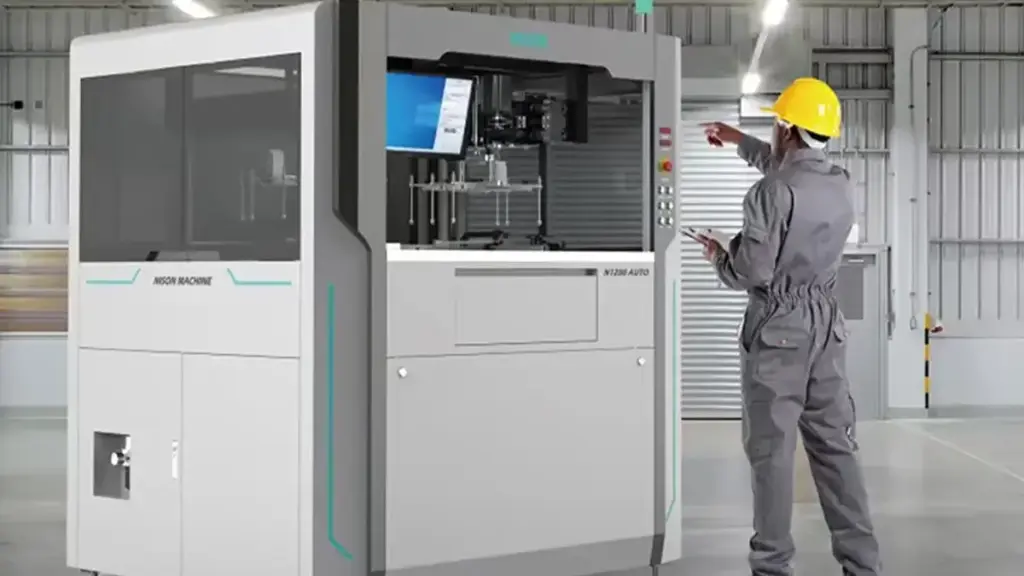
The main product is a high-end device casing that features lightweight design, high appearance standards, and high heat dissipation requirements. It is widely used in electronic casings, new energy equipment shells, industrial control precision enclosures, instrument and meter casings, communication equipment casings, and vehicle hardware casings. It is the exclusive preferred material for products requiring advanced surface treatments such as anodizing, sandblasting, and wire drawing.
Electrolytic Plate SECC (Precision Galvanized Plate)

Material Properties
The zinc layer on the surface of the electrolytic plate is uniform, fine and smooth, without crystalline patterns. The plate surface precision is much higher than that of ordinary galvanized plates. The rust prevention performance is stable and it is not prone to blackening or color change. The corrosion resistance of the cut edges after processing is excellent and it can be used directly or simply sprayed. The material has good toughness and high dimensional accuracy. The consistency of batch processing is extremely strong and the defect rate is low.
Applicable Scenarios
Specializing in the precision electronics field, it is used for small-sized hardware enclosures with high precision and low defect requirements, such as precision power enclosures, circuit board protection shells, small communication module housings, and smart home hardware enclosures. It is suitable for precision sheet metal customization projects with high requirements for panel flatness, appearance cleanliness, and batch consistency.
How to Correctly Choose the Material for Custom Hardware Enclosures
For indoor regular equipment and mass production to control costs, SPCC cold-rolled steel plates are preferred. For indoor humid environments, seeking basic rust prevention and simplifying surface processing, SECC/SGCC galvanized steel plates are selected. For outdoor open-air, humid acid-base, and harsh corrosive working conditions, SUS304 stainless steel plates are chosen. For equipment that requires lightweight, high heat dissipation, and high-end appearance texture, 5052/6061 aluminum alloy plates are suitable. For precision small electronic enclosures with high cleanliness and flatness requirements, SECC electrolytic plates are selected.
SHIIJE hardware always takes the scene as the core, customizes materials as needed, and combines mature sheet metal processing and surface treatment processes to effectively reduce product defect rates and extend the service life of hardware enclosures, providing customers with high-adaptability, high-stability, and high-value-performance one-stop sheet metal customization solutions.