يحدد تحديد أنواع حاويات NEMA الدقيقة ما إذا كانت معداتك الصناعية ستنجو من بيئات التصنيع القاسية أو تؤدي إلى مطالبات ضمان كارثية. إن الخلط بين معايير أمريكا الشمالية هذه ورموز IP الدولية يجعل عطاءات مشروعك عرضة لعمليات التفتيش الفاشلة وتوقف التشغيل المكلف.
يقوم هذا التحليل بتقييم النماذج الأساسية الداخلية والخارجية وفقًا للمعايير التنظيمية الصارمة. نقوم بتقييم اختبارات مقاومة الماء بمعدل 65 جالونًا في الدقيقة ومتطلبات المواد المحددة لـ NEMA 4X و 12 وحدات لمساعدتك على تأمين متوافقة, نتيجة قابلة للتطوير عبر الحدود.
ما هو NEMA ولماذا يهم?
تضع NEMA معايير التصنيع الكهربائي في أمريكا الشمالية. يضمن نظام التصنيف الخاص به أن العبوات تحمي المعدات والموظفين من المخاطر البيئية, ضمان الامتثال وتقليل وقت التوقف عن العمل.
الغرض الأساسي من نيما
الرابطة الوطنية لمصنعي الأجهزة الكهربائية (لا يوجد) يمثل تقريبا 350 الشركات والدعم 360,000 نحن. وظائف في مجال الصناعات الكهربائية. تقوم المنظمة بتطوير معايير إجماع طوعية للمنتجات الكهربائية. تضمن هذه الإرشادات سلامة خط الأساس, الأداء التشغيلي, توافق النظام, وحماية البيئة في جميع المجالات.
للحفاظ على محاذاة الصناعة, تنشر NEMA تقريبًا 1,000 معايير متميزة, أدلة التطبيق, والأوراق الفنية. تعمل هذه الوثائق على تعزيز عمليات التصنيع الموحدة. فهو يعطي المصنعين والمستخدمين النهائيين فكرة واضحة, لغة مشتركة لتوصيل المتطلبات الفنية دون غموض.
لماذا تعتبر تقييمات NEMA مهمة بالنسبة للحاويات الكهربائية
عند تحديد الضميمة الكهربائية, أنت بحاجة إلى دليل على أنها ستنجو من بيئة التشغيل الخاصة بها. تقدم تقييمات NEMA هذا الدليل الدقيق. باستخدام نظام ألفا رقمي يتراوح من NEMA 1 غير موجود 13, تصنف هذه المعايير مقدار التعرض البيئي الذي يمكن أن يتحمله العلبة.
نحن نعتمد على نظام التصنيف الموحد هذا لثلاثة أسباب حاسمة:
- الدفاع البيئي: تحدد التقييمات المستوى الدقيق لمقاومة مخاطر المنشأة مثل الغبار الذي تحمله الرياح, المياه الموجهة بالخرطوم, المواد الكيميائية المسببة للتآكل, والزيوت الصناعية.
- الوقاية من المخاطر: تمنع التصنيفات المناسبة حدوث أعطال كهربائية وتحمي جسديًا معدات تشغيل الموظفين في المناطق السكنية, تجاري, والإعدادات الصناعية الثقيلة.
- الامتثال للقانون: تساعد التصنيفات الموحدة القائمين على التركيب على مواءمة اختيارات المعدات مع الكود الكهربائي الوطني (إن إي سي) متطلبات.
إن اختيار المعدات المناسبة الحاصلة على تصنيف NEMA يعني أنك تتخلص من التخمين, اجتياز عمليات التفتيش في المحاولة الأولى, وتقليل وقت التوقف التشغيلي بشكل كبير.
داخلي مقابل. تقييمات NEMA الخارجية
تتعامل تقييمات NEMA الداخلية مع الجفاف, المساحات الخاضعة للرقابة. تقييمات خارجية ومزدوجة الاستخدام من 3 إلى 4X ترقية الحماية لمنع المطر, الجليد, تراب, والمواد الكيميائية المسببة للتآكل.
تصنيفات NEMA الداخلية
تعتمد المرافق على تصنيفات NEMA الداخلية فقط للنظافة, البيئات الجافة. لا يوجد 1 تحمي العبوات الموظفين من الاتصال العرضي وتمنع سقوط الأوساخ من إتلاف المكونات الداخلية. عندما تنطوي العمليات على تكثيف خفيف أو تسربات بسيطة, لا يوجد 2 تضيف الوحدات دفاعًا أساسيًا ضد السوائل المتساقطة والخفيفة.
هذه الأنواع الداخلية فقط تفتقر تمامًا إلى مقاومة الطقس. أنها تفشل بسرعة في البيئات المعرضة للرطوبة الثقيلة, المياه الموجهة بالخرطوم, أو الغبار المنتشر.
تصنيفات NEMA للاستخدام الخارجي والمزدوج
تتطلب التركيبات الخارجية والأرضيات الصناعية القاسية إحكامًا بيئيًا قويًا. يجب عليك تحديد نيما 3 أو تقييمات أعلى للمواقع الخارجية أو المساحات الداخلية الصعبة التي تتعامل مع الرطوبة العالية والحطام.
- لا يوجد 3 و3 ر: منع المطر, صقيع, ثلج, وتكوين الجليد الخارجي. لا يوجد 3 يضيف على وجه التحديد دفاعًا نشطًا ضد الغبار الذي تحمله الرياح.
- لا يوجد 4: يعمل على ترقية آليات الدفاع لتحمل الرش الثقيل والمباشر, المياه المدفوعة بالخرطوم.
- نيما 4X: يوفر الحماية الدقيقة لـ NEMA 4 مع إضافة مقاومة محسنة للتآكل للبيئات الكيميائية القاسية.
حاويات كهربائية مخصصة مصممة لتدوم طويلاً
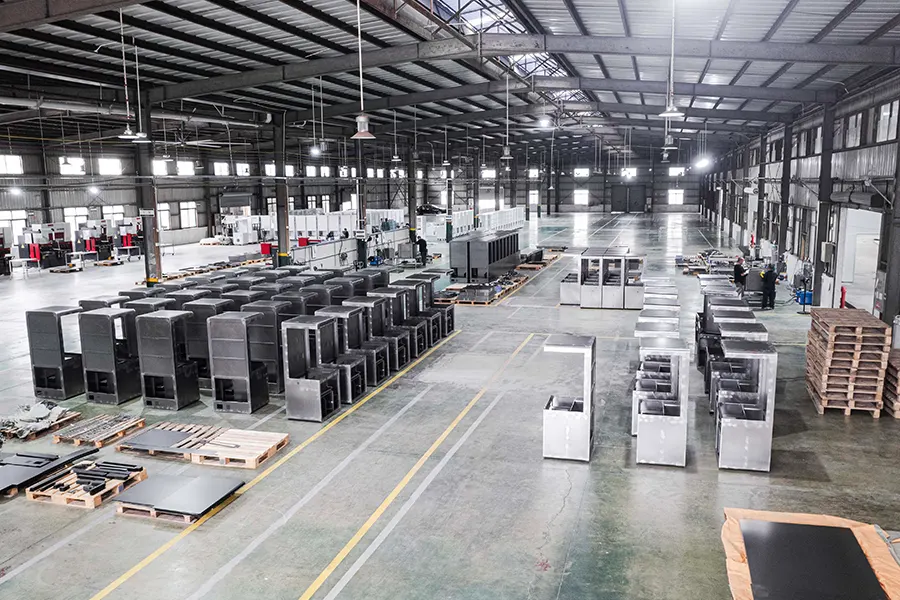
قمة 4 قائمة أنواع الضميمة NEMA
لا يوجد 1, 3ر, 4/4X, و 12 تحديد معايير الضميمة الأساسية, توفير حماية متصاعدة من الغبار الداخلي الأساسي إلى الغسلات الخارجية القاسية والبيئات المسببة للتآكل.
| لا النوع | بيئة | يعادل IP | التركيز على الحماية الأولية |
|---|---|---|---|
| يكتب 1 | داخلي | IP10 | سقوط الأوساخ, الاتصال العرضي للمعدات |
| اكتب 3R | داخلي / في الهواء الطلق | IP14 | مطر, صقيع, ثلج, تراكم الجليد الخارجي |
| يكتب 4 & 4X | داخلي / في الهواء الطلق | IP66 | المياه الموجهة بالخرطوم, الغبار في مهب الريح, تآكل (4X) |
| يكتب 12 | الصناعية الداخلية | IP52 | تعميم الغبار, تسرب السوائل غير المسببة للتآكل, زيت |
لا النوع 1: الغرض العام
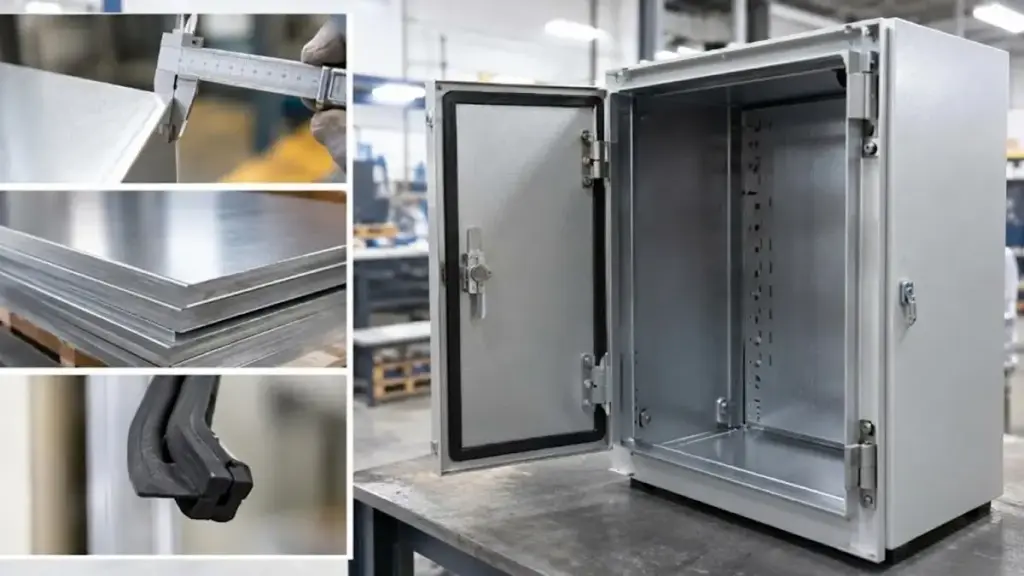
لا النوع 1 تعتبر العبوات بمثابة المعيار الأساسي للمساحات التجارية والصناعية الداخلية, بما في ذلك المكاتب, لوحات التحكم, وإعدادات الأسلاك العامة. يقوم المصنعون ببناء هذه الوحدات باستخدام الصفائح المعدنية دون الحاجة إلى حشوات, إبقاء التكاليف منخفضة بالنسبة للمواقع غير الخطرة.
أنها تحمل تصنيف مكافئ IP10. يوفر التصميم الحماية الأساسية ضد تساقط الأوساخ, رذاذ خفيف, والاتصال العرضي للأفراد بالمعدات الحية.
NEMA Type 3R: غير نافذ للمطر & مقاومة للجليد
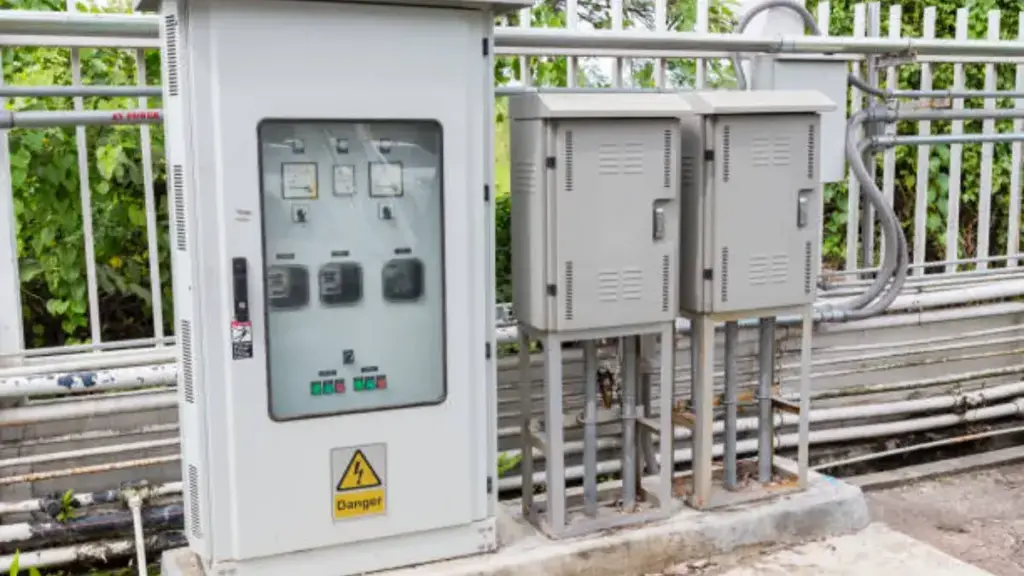
تنشر المرافق حاويات NEMA Type 3R في كل من الأماكن الداخلية والخارجية غير القابلة للتآكل. ستجدهم عادةً يقومون بحماية اللوحات الكهربائية الخارجية, بناء المفاتيح الكهربائية, والمرآب.
إنها تحافظ على تصنيف مكافئ IP14 لمقاومة مخاطر الطقس المباشرة. التصميم الهيكلي يحمي بشكل فعال من المطر, صقيع, ثلج, وتراكم الجليد الخارجي مع السماح بتصريف المياه الداخلية أثناء العواصف الممطرة الغزيرة.
لا النوع 4 & 4X: مقاوم للماء & مقاومة للتآكل
لا النوع 4 وتتجاوز العبوات 4X تصنيفات IP66 لدعم التطبيقات الخارجية الصعبة ولوحات التحكم الصناعية مع أداء كامل ضد الغبار.
تعمل هذه الوحدات على حماية المعدات الحساسة من التهديدات البيئية الشديدة:
- دخول الماء: يحجب الماء من خرطوم 1 بوصة والرش الثقيل.
- عناصر الطقس: يقاوم الغبار الذي تذروه الرياح, صقيع, والثلج.
- عوامل التآكل: يتميز الإصدار 4X ببنية من الفولاذ المقاوم للصدأ أو الألومنيوم للبقاء على قيد الحياة في المصانع الكيميائية, مرافق معالجة مياه الصرف الصحي, والمناطق البحرية.
لا النوع 12: الغبار الصناعي محكم
مصممة خصيصًا للعمليات الصناعية الداخلية, لا النوع 12 تحقق العبوات تصنيفًا مكافئًا لـ IP52. يستخدم المصنعون تصميمًا خاليًا من الضربة القاضية للحفاظ على العزلة البيئية الصارمة داخل مصانع التصنيع الثقيلة.
تعتمد هذه الوحدات على حشوات قوية لتوصيل ثلاثة أختام أساسية:
- الغبار ضيق: كتل الغبار المتداولة, الوبر, والألياف المحمولة جوا.
- بالتنقيط ضيق: يمنع الضرر الناتج عن رذاذ الضوء والتكثيف الخارجي.
- النفط ضيق: يمنع تسرب السوائل والمبردات غير المسببة للتآكل من الوصول إلى المكونات الداخلية.
هذا الدفاع الجزيئي والسائل المستهدف يجعل النوع 12 الاختيار القياسي لمصانع الصلب, مصانع الاسمنت, وخطوط تجميع السيارات.
نيما مقابل IP: أسطورة التحويل
لا يتم تحويل تقييمات NEMA وIP بشكل مباشر. اختبارات NEMA للتهديدات البيئية الأوسع مثل التآكل والجليد, بينما يركز IP بشكل صارم على المواد الصلبة والسوائل.
الاختلافات الأساسية في النطاق والاختبار
تقوم معايير NEMA بتقييم مجموعة واسعة من التهديدات البيئية. مرافق الاختبار تعرض هذه العبوات للتآكل, تراكم الجليد, والغازات الخطرة. تقيس تقييمات IP الحماية ضد الأجسام الصلبة والسوائل فقط.
تستخدم مؤسسات الاختبار أساليب ومعلمات متميزة تمامًا. لا يمكنك تعيين اختبار NEMA مباشرةً إلى اختبار IP. وليس هناك 4 اختبار المياه يتطلب ضغوط المياه المختلفة, مسافات الفوهة, ومعدلات التدفق مقارنة باختبار نفث الماء IP66. وليس هناك 4 يجب أن يتحمل العلبة تيارًا يبلغ 65 جالونًا في الدقيقة من فوهة مقاس 1 بوصة عند 10 قدم. تستخدم اختبارات IP66 طائرة نفاثة سعة 100 لتر في الدقيقة من مسافة متر واحد. تبدو الاختبارات متشابهة ولكنها تسفر عن حقائق أداء مختلفة.
استخدام المراجع التبادلية التقريبية عمليا
توفر جداول الإسناد الترافقي للصناعة إرشادات عامة ولكنها تفشل في تقديم معادلات دقيقة. غالبًا ما يتجاوز غلاف NEMA مستويات الحماية لنظيره IP المدرج. يفي الغلاف المصنف لـ NEMA 4X بمتطلبات الغبار والماء الأساسية لـ IP66 ولكنه يضيف متغيرات IP غير مختبرة مثل المقاومة الصارمة للتآكل.
يحدد المهندسون العبوات من خلال تقييم ظروف الموقع الفعلية. يقومون بتحليل درجات الحرارة القصوى, التعرض للنفط, أو العناصر المسببة للتآكل بدلاً من الاعتماد على تحويل التصنيف المباشر. إذا كانت المنشأة تتطلب الحماية ضد الغبار المحمول جواً والمواد الكيميائية القاسية, يختار المهندس المحدد المعيار الدقيق الذي يختبر تلك المخاطر المحددة.
الامتثال العالمي: التصدير إلى الولايات المتحدة/كندا مع SHIJIE
يتطلب دخول أسواق أمريكا الشمالية الالتزام الصارم بمعايير NEMA وUL, مقترنة بوثائق جمركية دقيقة لمنع التأخير على الحدود.
تلبية المعايير التنظيمية لأمريكا الشمالية
دخول أسواق الولايات المتحدة وكندا يعني أن العبوات الكهربائية الخاصة بك يجب أن تستوفي معايير السلامة والأداء المحددة. تقوم SHIJIE بمحاذاة تصميمات العلبة الخاصة بك مباشرة مع NEMA الدقيق, أول, ومواصفات وكالة الفضاء الكندية. يضمن هذا النهج اجتياز منتجاتك لعمليات التفتيش الحدودية الأولية وموافقات الموقع. نحن نتعامل مع الأعمال الورقية الفنية من خلال إنشاء تقارير اختبار إلزامية من طرف ثالث ووثائق الشهادات المطلوبة للامتثال للمواصفات القادمة 2026 المبادئ التوجيهية التجارية.
إدارة عملية التصدير والخدمات اللوجستية
يتطلب عبور حدود أمريكا الشمالية رقابة إدارية ثقيلة وتخطيطًا لوجستيًا استراتيجيًا. تتنقل SHIJIE عبر الجمارك عبر الحدود من خلال إعداد سندات شحن دقيقة وفواتير تجارية دقيقة. نقوم بتحسين طرق الشحن الخاصة بك لتجاوز مراكز النقل المزدحمة. يضمن هذا التحكم التشغيلي أن تحافظ سلسلة التوريد الخاصة بك على جداول زمنية للتسليم يمكن التنبؤ بها عبر حدود الولايات المتحدة وكندا.
الأسئلة المتداولة
ما هي أنواع حاويات NEMA المختلفة؟?
تحدد NEMA معايير أمريكا الشمالية للحاويات الكهربائية لحماية المعدات من المخاطر مثل الغبار, ماء, تآكل, الجليد, والغازات المتفجرة. يقوم النظام بتجميع المرفقات في ثلاث فئات أساسية: داخلي غير خطير (أنواع 1, 2, 5, 12, 12ك, 13), داخلي/خارجي غير خطر (أنواع 3, 3ر, 3س, 4, 4X, 6, 6ص), والمواقع الخطرة (أنواع 7, 8, 9, 10). لا تفترض أن الأرقام الأعلى تعني حماية أفضل; فهي تشير ببساطة إلى حالات استخدام متخصصة بدلاً من التسلسل الهرمي الصارم للجودة.
ما هو الفرق بين نيما 4X ونيما 12?
تتعامل حاويات NEMA 4X مع البيئات الداخلية والخارجية. تتميز بأختام مقاومة للماء تمنع خراطيم الضغط المضغوطة وتستخدم مواد مثل الفولاذ المقاوم للصدأ أو البولي كربونات لمقاومة التآكل. لا يوجد 12 العبوات تعمل فقط في الأماكن المغلقة, إعدادات غير قابلة للتآكل. إنها تمنع تساقط الماء والأوساخ المتساقطة ولكنها لا تستطيع البقاء على قيد الحياة في الطقس الخارجي, الماء المضغوط, أو المواد الكيميائية المسببة للتآكل.
هل NEMA 3R مناسب للاستخدام الخارجي؟?
نعم, تعمل حاويات NEMA 3R بشكل جيد للغاية في الهواء الطلق. يقوم المصنعون بتصنيعها على وجه التحديد كمساكن مقاومة للعوامل الجوية لحماية المعدات الكهربائية من المطر, صقيع, ثلج, وسقوط الأوساخ. يتعامل التصميم بسهولة مع تكوين الجليد الخارجي دون حدوث أضرار هيكلية. ستراها عادةً تحتوي على أجهزة توزيع الطاقة الخارجية, ضوابط الإضاءة, والمفاتيح الكهربائية.
كيف يمكنك تحويل IP إلى تقييمات NEMA?
لا يمكنك تحويل تقييمات IP مباشرة إلى تقييمات NEMA. يعتمد النظامان على طرق ومعلمات اختبار مختلفة تمامًا. تركز تصنيفات IP بشكل صارم على الحماية ضد المواد الصلبة والسوائل. تذهب تقييمات NEMA إلى أبعد من ذلك من خلال اختبار مقاومة التآكل, تشكيل الجليد, وتسرب النفط. يمكنك بكل ثقة تحديد تصنيف NEMA الذي يلبي أو يتجاوز رمز IP محددًا - على سبيل المثال, لا يوجد 4 يلبي بسهولة متطلبات IP65. لا تحاول أبدًا إجراء تحويل عكسي من NEMA إلى IP, لأنه عادة ما يترك معداتك معرضة لحماية البيئة غير الكافية.
ماذا نوع نيما 1 حماية ضد?
لا النوع 1 تخدم العبوات وظيفتين أساسيتين: فهي تمنع الأفراد من لمس الأجزاء الكهربائية الحية عن طريق الخطأ, ويحافظون على الأوساخ المتساقطة. يستخدمها مديرو المرافق بشكل صارم في الداخل في ظل الظروف الجوية العادية. أنها توفر حماية صفرية على الإطلاق ضد السوائل, الغبار في مهب الريح, الطقس في الهواء الطلق, أو المواد الكيميائية المسببة للتآكل.
أي نوع NEMA مقاوم للانفجار?
لا يوجد 7 بمثابة المعيار الأساسي للعبوات المقاومة للانفجار. يقوم المصنعون بصب هذه الوحدات الداخلية من الألومنيوم شديد التحمل أو الفولاذ المقاوم للصدأ. يحتوي التصميم بشكل آمن على الانفجارات الكهربائية الداخلية ويمنعها من اشتعال الغازات أو الأبخرة القابلة للاشتعال في الهواء المحيط. إنها تلبي على وجه التحديد المتطلبات الصارمة للفئة الأولى, قسم 1 المواقع الخطرة.
الأفكار النهائية
في حين أن العبوات العامة تقدم تكاليف أولية أقل, إن تحديد تقييمات NEMA وUL الدقيقة هو الطريقة الوحيدة لحماية أجهزتك من الفشل البيئي وعطاءات المشروع المرفوضة. الاعتماد على الصناديق غير المعتمدة أو تحويلات IP غير الدقيقة يعرض عمليات التثبيت الخاصة بك في أمريكا الشمالية إلى تأخيرات تنظيمية شديدة وتوقف تشغيلي مكلف. اختيار متوافق بدقة, تعمل العلب المصممة بدقة على حماية أرباحك النهائية وتضمن موافقات سلسة عبر الحدود.
لا تتكهن بشأن الامتثال البيئي المهم، بل تحقق منه باستخدام أجهزة معتمدة. نوصي بالبدء باستشارة فنية أو طلب عينة لاختبار البناء الحاصل على تصنيف NEMA بشكل مباشر. اتصل بالفريق الهندسي لشركة SHIJIE اليوم لمناقشة متطلبات مشروعك المحددة وتبسيط استراتيجية التصدير الخاصة بك.