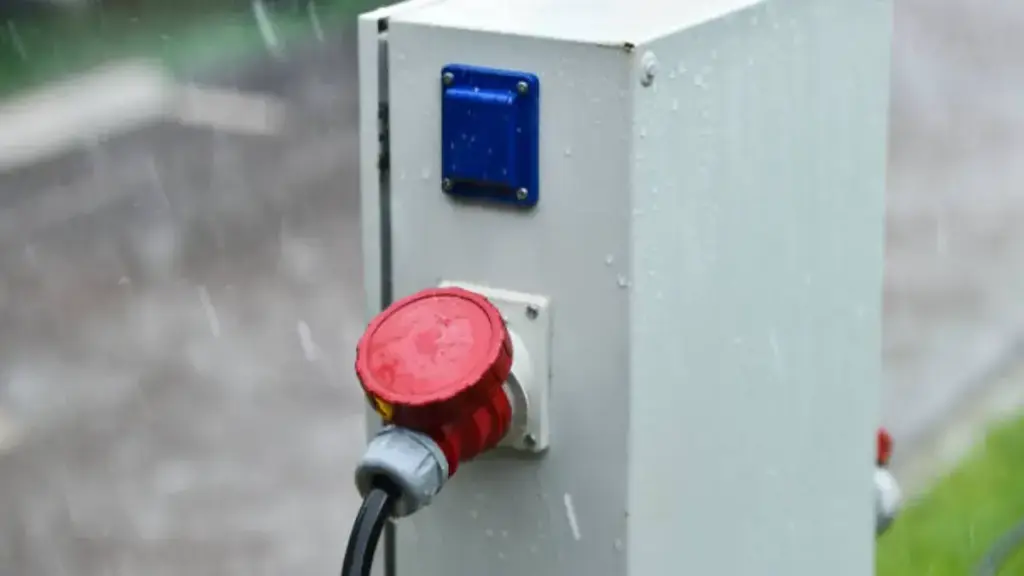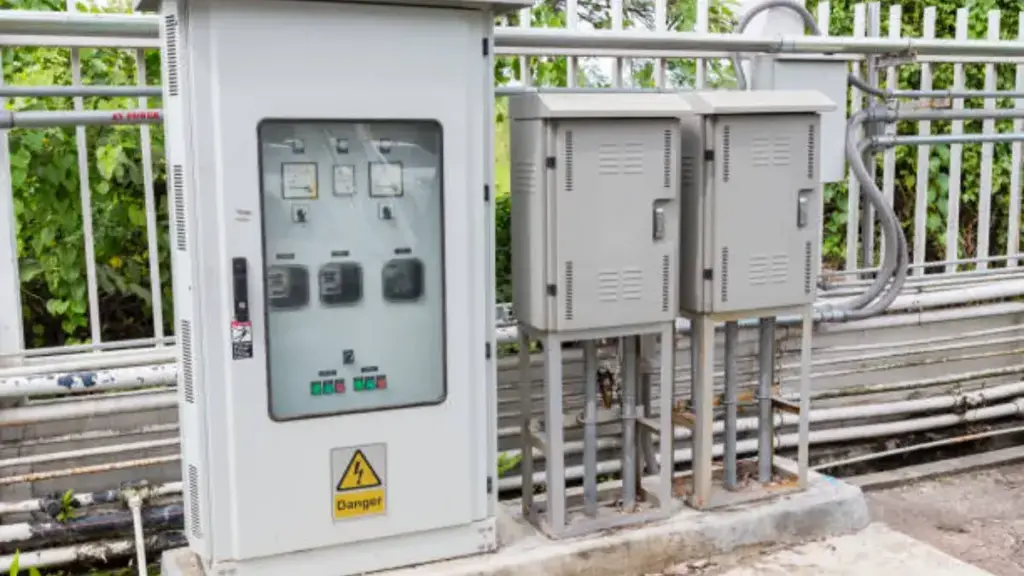
Choosing incompatible electrical enclosure parts can reduce the protection performance of the entire assembly. A mismatched gasket, cable gland, or mounting accessory may lower the enclosure’s NEMA or IP rating and expose internal equipment to dust, humidité, or corrosion.
This guide explains how common enclosure components work together to maintain NEMA and IP protection levels. It covers gasket compression, cable entry sealing, and mounting requirements to support reliable enclosure performance in industrial applications.
Electrical Enclosure Parts and Their Core Functions
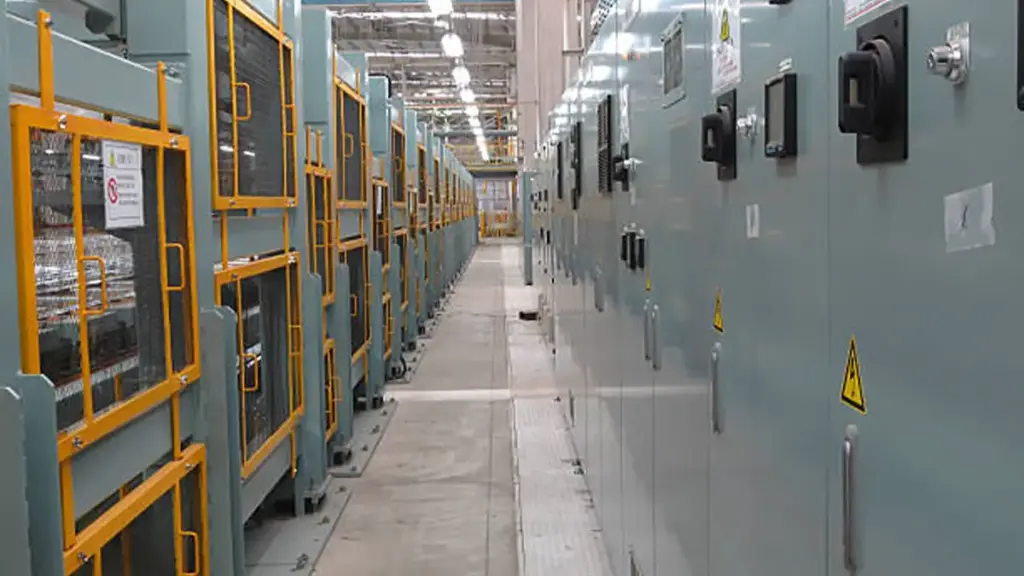
Industrial enclosures combine structural, sealing, and access components to protect electrical equipment from environmental exposure while supporting safe installation and maintenance.
Key Component Categories and Their System Functions
Industrial electrical enclosures operate as unified protection systems. Selecting individual parts requires a clear understanding of how structural, environnemental, and mechanical components interact to safeguard internal electronics. Proper electrical enclosure selection also helps ensure that components, matériels, and protection requirements match the intended application.
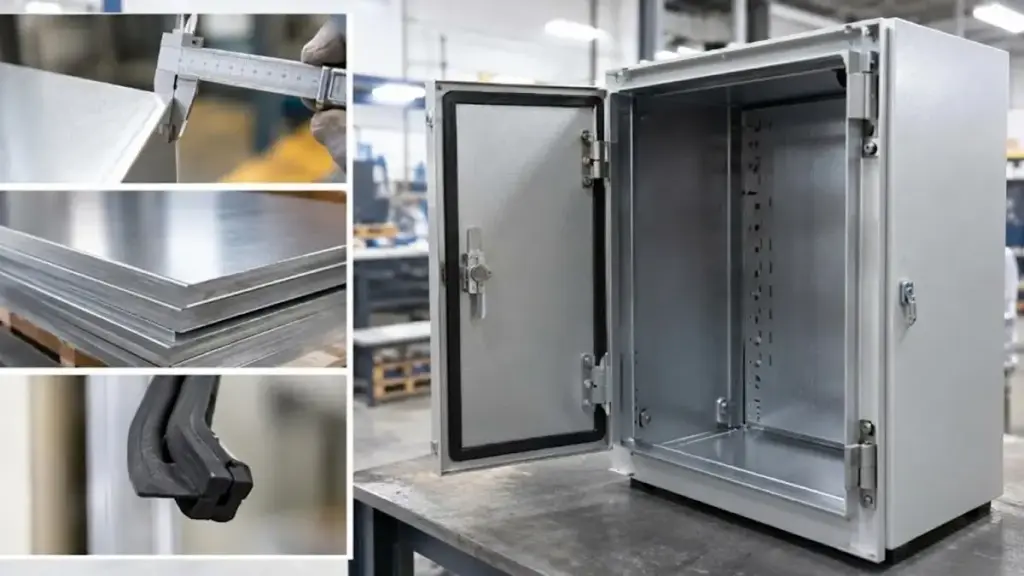
- Structural Parts: Cabinet bodies, portes, panneaux arrière, and mounting plates provide the mechanical structure needed to support electrical components and protect installed equipment.
- Sealing Elements: EPDM or silicone gaskets help maintain NEMA and IP ratings by sealing the door perimeter and reducing dust and moisture entry.
- Access Hardware: Heavy-duty hinges, compression latches, and viewing windows secure internal components while facilitating regular inspection.
- Cable Entry Systems: Cable glands and entry plates secure runs, provide strain relief, and seal penetrations against environmental hazards.
- Thermal and Pressure Parts: Ventilation louvers, échangeurs de chaleur, and pressure compensation vents balance pressure differences and reduce condensation caused by temperature changes.
Each category plays a distinct role in keeping the system running. Skipping out on high-grade access hardware or ignoring gasket compression profiles directly leads to field failures and premature component degradation.
How Electrical Enclosure Parts Work Together
Integrating these parts is not just about mounting hardware. The layout directly affects equipment reliability, operational safety, and maintenance efficiency in industrial environments.
- Environmental Protection: Secures sensitive electronics against industrial debris, water spray, corrosion, and severe outdoor conditions.
- Electrical Safety: Limits contact with high-voltage areas through dedicated grounding systems, protective barriers, and locked doors.
- System Accessibility: Ensures efficient installation, rapid terminal block wiring, and convenient DIN rail component configurations.
Balancing these three outcomes keeps operations functional and safe. Over-engineering for safety while ignoring access makes basic maintenance difficult, just as prioritizing ease-of-wiring at the expense of sealing ruins critical components.
Internal Mounting and Cable Management Components
Proper internal layout depends on secure, non-penetrating mechanical mounting and disciplined cable routing to preserve ingress ratings and guarantee long-term field reliability.
Structural Mounting Plates and DIN Rail Assemblies
To house sensitive controls, you need a configuration that maintains structural integrity while maximizing usable volume. Proper electronic enclosure design helps determine internal layouts, mounting methods, and component accessibility. Uncontrolled drilling or modifications to enclosure walls can compromise sealing performance and increase corrosion risks, which is why manufacturers typically use mounting plates and internal brackets.
- Removable mounting plates: These back panels provide a solid mechanical base for heavy components, protecting the enclosure shell from direct drilling to preserve the IP/NEMA rating.
- Standardized DIN rails: NS 35 and other rails enable fast snap-on mounting and modular replacement of terminal blocks, power supplies, and control relays.
- Support brackets: Angled or raised brackets lift and tilt DIN rails inside deep cabinets to maximize wiring space and improve technician access.
- End brackets and stoppers: These clamps secure components laterally on the rails, preventing physical shifting during transport or under high-vibration conditions.
- Non-penetrating mounting kits: Specialized rails and custom brackets mount switches and networking hardware securely without breaching the outer enclosure seal.
Standardizing on these interior mounting elements reduces layout planning time and ensures the panel remains serviceable over years of operational wear.
Cable Routing and Protective Management Accessories
Managing internal wiring is not just about aesthetics; it directly impacts thermal performance and electrical safety. Uncontrolled cabling blocks airflow and creates electromagnetic interference between high-voltage power lines and low-voltage signal wires.
- Slotted plastic wire ducts: These pathways organize and route internal conductors, keeping power and signal wiring physically separated.
- Cable managers and spools: Vertical and horizontal organizers hold excess cabling cleanly, preventing tight bends that can degrade conductor performance.
- Cable clips and routing brackets: These accessories secure cable bundles, maintain bend radius, and keep wiring organized inside the enclosure.
- EMC cable clips: Technicians clamp shielded cables directly to the DIN rail, grounding electromagnetic noise straight to the chassis.
- Sealing cable glands: Multi-cable entry plates and industrial glands provide robust strain relief and preserve IP ratings at external penetration points.
Combining these routing accessories creates a reliable infrastructure that resists mechanical vibration and simplifies troubleshooting for field technicians.
Heavy-Duty Custom Enclosures Built to Last
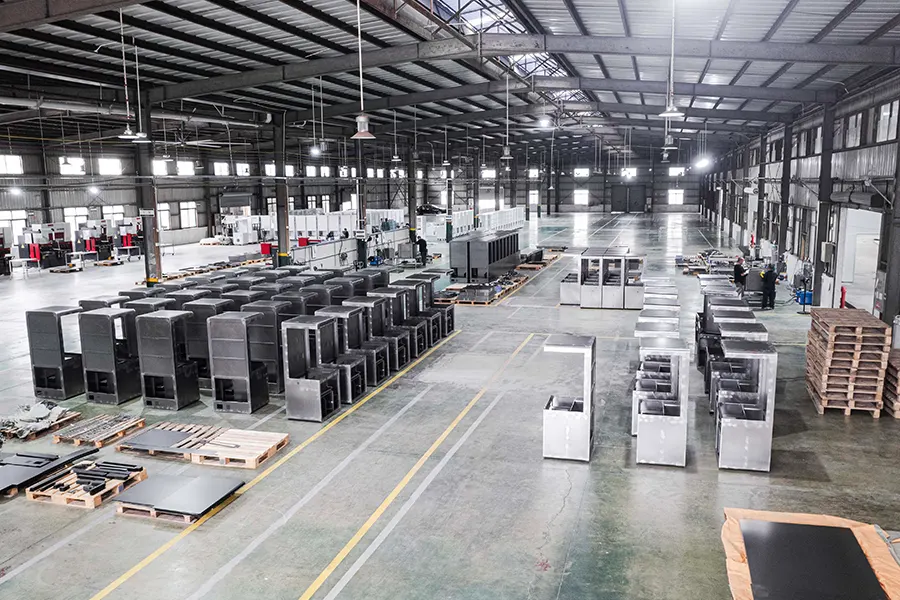
Doors, Hinges, Locks, and Sealing Components
Robust doors, rigid hinges, and precise sealing gaskets form an integrated access system that directly secures internal components while maintaining strict NEMA and IP environmental ratings.
Access Hardware Configuration and Mechanical Robustness
Engineers configure structural access hardware to withstand repeated operation, environmental exposure, and mechanical loads during service. Selecting the correct door and hinge layout ensures long-term alignment and reliable system security.
- Material Gauge: Single and double door configurations utilize heavy-gauge steel and stainless steel to resist mechanical loads and prevent misalignment.
- Continuous Piano Hinges: Continuous hinges distribute door weight along the enclosure frame and are often selected for larger or heavier doors where consistent alignment is required.
- Hinge Engineering: Concealed hinges eliminate external tamper points to boost security, while lift-off hinge options allow operators to remove doors quickly during maintenance.
- Three-Point Latching: This system applies uniform closing forces along the door perimeter, providing a reliable seal without requiring tools for operation.
- Security Hardware: Padlocking handles and cylinder locks restrict internal access to qualified technicians, helping facilities enforce mandatory lockout/tagout safety procedures.
Sealing Mechanisms and Environmental Rating Integrity
Enclosure ratings depend on the combined performance of the enclosure structure, perimeter seals, and all external entry points. Environmental ingress occurs when gaskets degrade or fail under uneven compression forces.
- Polyurethane and Neoprene: Poured-in-place polyurethane and closed-cell neoprene gaskets provide high-adhesion barriers that seal doors against water, huile, and dust.
- EPDM and Poron: EPDM bubble gaskets and Poron strips resist weathering, ultraviolet exposure, and ozone degradation in harsh outdoor installations.
- Compression Alignment: Coordinated hinge and latch designs apply consistent compression forces, preventing gaps that can reduce the enclosure’s intended IP protection level.
- Spring-Loaded Clamps: These assemblies maintain uniform sealing pressure over extended operational lifecycles, mitigating the risk of gasket compression set.
- Field Serviceability: Maintenance procedures utilize field-replaceable sealing strips to restore original environmental ratings without requiring complete enclosure replacements.
Ventilation, Thermique, and Environmental Accessories
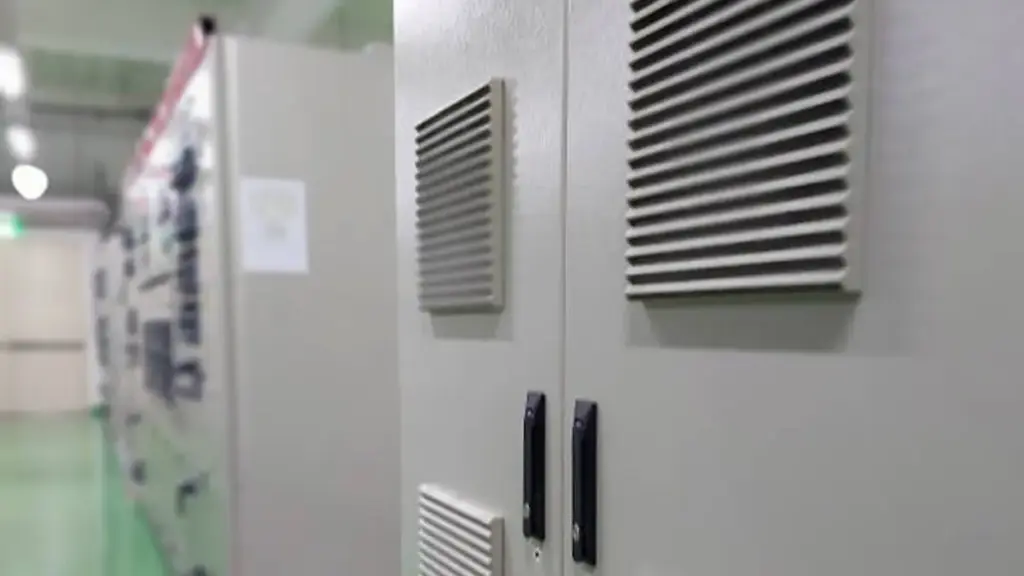
Protecting internal electronics from heat and moisture buildup requires matching cooling systems, radiateurs, and pressure drains to the target environment and enclosure rating.
Airflow Management and Active Temperature Control
Cooling strategy depends on the air quality of your facility. Clean environments allow open-loop systems like filter-fan units and exhaust fans to draw cooler ambient air directly inside and push out internal heat. Harsh, dusty, or wet environments require a closed-loop system.
Closed-loop cooling, such as air-to-air or air-to-water heat exchangers, isolates the internal enclosure atmosphere from external dust, humidité, and corrosive agents. Before selecting any equipment, we calculate the exact internal heat load of all installed components to size the fan or heat exchanger capacity correctly.
Automatic regulation keeps internal components within safe thermal limits. We deploy thermostats, hygrostats, and enclosure heaters to manage temperature and humidity changes without requiring manual operator adjustments.
Protection contre la pénétration, Moisture Mitigation, and Pressure Equalization
Rapid temperature swings cause internal condensation, especially in outdoor or washdown installations. We install heaters and humidity controls to raise the internal temperature above the dew point, keeping the air dry and protecting sensitive electronic assemblies.
To handle pressure differentials caused by weather changes, we use breather drains. These accessories discharge accumulated water and equalize internal pressure without compromising the enclosure’s environmental rating. We match every environmental accessory to the target rating, using fine filter mats to reach IP55 protection levels.
Airflow performance drops rapidly as dust loads build up on your filters. We establish regular maintenance and replacement schedules for all filter media to prevent overheating and protect your system’s long-term uptime.
Custom Electrical Enclosure Manufacturing with Integrated Components
Selecting individual enclosure parts is only one step in building a reliable electrical protection system. SJ Enclosure provides fabrication de boîtiers métalliques sur mesure with integrated component solutions, helping customers combine enclosure structures, mounting systems, cable entry designs, sealing components, and hardware into a complete assembly.
With OEM/ODM capabilities, precision sheet metal fabrication, and flexible customization options, SJ Enclosure supports industrial applications that require specific NEMA and IP protection requirements. From prototype development to volume production, our engineering team works with customers to optimize enclosure layouts, component integration, and manufacturing efficiency. This approach helps ensure every part works together to maintain durability, serviceability, and long-term field performance.
Electrical Enclosure Parts for IP and NEMA Standards
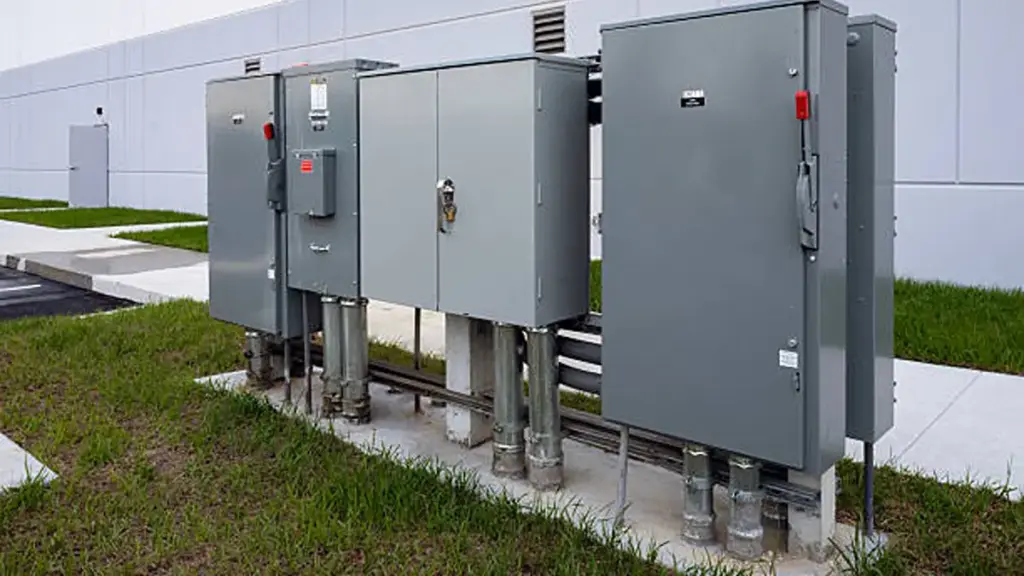
Enclosure integrity depends on matching every gasket, gland, and latch to the system’s exact IP or NEMA rating to prevent localized sealing failures.
Comparative Analysis of IP and NEMA Standards for Component Specification
IP ratings focus strictly on dust and water ingress. The first digit defines solid particle exclusion, while the second digit evaluates liquid resistance. NEMA enclosure types define a broader scope of protection, including physical construction, environmental suitability, and resistance to specific operating conditions. They include physical safety, environmental suitability, and resistance to environmental damage.
Engineers use approximate mappings to transition designs between North American and European markets. Because NEMA involves rigorous construction checks, meeting an IP rating does not guarantee NEMA compliance.
- NON Type 1 to IP10: Provides basic indoor protection against accidental contact.
- NEMA Type 3/3R to IP54/IP14: Safeguards outdoor equipment against rain and windblown dust.
- NEMA Type 4/4X (Often associated with IP66-level protection): Provides dust-tight protection against powerful water jets and outdoor exposure.
- NEMA Type 6/6P: Provides protection against temporary or prolonged water immersion, comparable to IP67/IP68 levels.
- NON Type 12 to IP52: Excludes circulating indoor dust, peluche, and dripping non-corrosive oil.
NEMA testing explicitly evaluates how well accessories resist corrosion, oil seepage, and external ice buildup. If an outdoor installation faces freezing rain, the hardware must operate even when covered in ice. Standard IP tests ignore these structural hazards. Designers must select parts that pass chemical exposure and corrosion tests to protect internal electronics long-term.
Selection Criteria for Gaskets, Cable Glands, and Enclosure Hardware
A sealing failure at any critical opening can reduce the environmental protection of the enclosure assembly. Gaskets provide the primary defense against contaminants. To maintain a secure seal over time, engineers must control gasket compression using robust hardware.
- EPDM and Neoprene: Provide high resistance to weather, ozone, and physical wear in standard outdoor installations.
- Silicone Sponge: Maintains elasticity across extreme temperature fluctuations.
- Compression Latches: Help apply consistent pressure to the gasket, with the required compression level depending on gasket material and enclosure design.
Every penetration in the enclosure wall introduces a potential leak path. When routing cables or installing operator interfaces, designers must specify matched-rating glands, conduit hubs, and sealing rings. A mismatch at any cable entry point immediately downgrades the rating of the entire system.
In harsh chemical or coastal environments, material choice determines service life. While painted carbon steel suits indoor plants, wet washdown or marine locations demand 316 stainless steel or UV-stable polymers like polycarbonate and fiberglass-reinforced polyester. These materials resist degradation, preserve mechanical alignment, and keep the seal compressed for years.
How to Specify Compatible Electrical Enclosure Parts
Specifying compatible electrical enclosure parts requires aligning NEMA/IP ratings, matching ratings, matériels, and mechanical dimensions to maintain system-level safety and environmental protection.
| Specification Parameter | Verification Check | Impact of Mismatch |
|---|---|---|
| Rating Alignment | Match accessory IP/NEMA rating to primary enclosure shell. | Downgrades assembly rating; causes water or dust ingress. |
| Compatibilité des matériaux | Ensure accessories do not trigger galvanic corrosion on contact. | Accelerates decay; ruins gasket seal and structural strength. |
| Mechanical Clearances | Verify creepage distances, bending radii, and depth limits. | Triggers electrical faults; restricts access; causes cable strain. |
Environmental Protection Ratings and Material Compatibility
We must treat the enclosure and its accessories as a single system. If an IP54 cable gland is installed on an IP66 enclosure, the cable entry point may limit the overall protection level of the assembly. Specifiers must match the ingress protection level of every single accessory component to the primary NEMA or IP rating of the enclosure shell.
Chemical reactions between dissimilar metals also present a major field hazard. To prevent galvanic corrosion, specifiers must evaluate the environmental conditions and select compatible materials across all accessories and enclosure bodies.
- Ingress Protection Alignment: Every penetration, including glands, plugs, and HMIs, must equal or exceed the primary enclosure’s NEMA Type (par ex., NEMA 4/4X) or IP rating (par ex., IP66).
- Galvanic Corrosion Prevention: Select accessory materials like stainless steel (304 ou 316), polycarbonate, or aluminum to avoid destructive chemical reactions on contact with the enclosure shell.
- Environmental Seal Resilience: Gaskets, cable glands, and sealing components must withstand localized operating factors like UV exposure, chemical wash-downs, and severe temperature swings.
Mechanical Clearance and Internal Hardware Integration
Physical fit inside the cabinet determines both safety and maintenance ease. We start by drafting precise layout schemes to avoid field assembly issues. These drawings must confirm internal component clearances, safe electrical creepage distances, and minimum bending radii for all power and signal cables.
When integrating mounting hardware, subpanels, and DIN rails, we must respect thermal ventilation boundaries. Cramming components into a tight space blocks airflow, accelerating equipment failure. Similarly, physical modifications like knockouts and vents must not weaken the structural integrity of the outer shell.
- Physical Layout Spacing: Establish precise dimensions to maintain insulation clearance distances and prevent cable strain by respecting strict minimum bending radii.
- Internal Mounting Integration: Position DIN rails, subpanels, and brackets to maintain clear paths for thermal ventilation and fulfill electromagnetic shielding (CEM) exigences.
- Aperture and Entry Sealing: Specify the exact sizing, placement, and sealing of knockouts, cable entry systems, and vents, ensuring every modified opening is sealed with a rated part to prevent structural rating degradation.
Foire aux questions
What are the primary components housed inside an industrial electrical enclosure?
Industrial enclosures protect three main functional groups: power distribution and protection devices (disjoncteurs, disconnect switches, and busbars), control logic systems (PLCs, contactors, and relays), and power adapters (step-down transformers and DC power supplies). Technicians mount these devices onto sub-panels and DIN rails, organizing the wiring with wire ducts and terminal blocks to prevent damage.
Which accessories are essential to maintain the NEMA or IP rating of an enclosure?
To preserve your target NEMA or IP rating, you must seal every entry point. Essential components include high-resilience EPDM or silicone door gaskets, rated cable glands matched to your cable diameters, thread sealing washers, and blanking plugs to close off unused conduit knockouts. For outdoor or washdown applications, add pressure-equalization vents to block water while venting internal humidity.
What role does the mounting plate play in an electrical panel?
The mounting plate, or back panel, provides the structural foundation for your internal hardware. Instead of drilling mounting holes through the protective outer walls—which destroys the environmental seal—assemblers bolt DIN rails, wire ducts, and heavy components directly to this removable plate. This secures heavy loads, keeps the outer shell intact, and simplifies bench assembly.
How do hinges, loquets, and gaskets function together as a system?
Hinges, loquets, and gaskets operate as a unified sealing system. The gasket provides the primary physical barrier. Latches provide the mechanical force needed to compress the gasket evenly according to the gasket material and enclosure design requirements. Hinges keep the door aligned over thousands of open-close cycles, preventing door sag and uneven wear on the gasket.
How should facility managers choose replacement parts for electrical enclosures?
D'abord, check the original nameplate to verify the enclosure’s exact NEMA/IP rating, voltage limits, and short-circuit withstand levels. When replacing access hardware like latches or hinges, match the original mounting dimensions and verify fit before installation to maintain correct gasket compression. Enfin, verify that replacement electrical devices or safety barriers carry UL 508A or local code certifications to keep the installation compliant.
Pensées finales
While generic components offer lower upfront costs, matching certified, high-performance parts to your enclosure shell is the only way to safeguard your reputation against field failures and moisture ingress. A single mismatched cable gland or degraded gasket can compromise an entire system, leading to expensive downtime and regulatory non-compliance. Investing in precision-engineered hardware ensures your assemblies maintain their NEMA or IP ratings under the harshest industrial conditions.
Do not guess on component compatibility—verify it. SJ Enclosure helps customers develop custom metal enclosures with properly integrated components, from mounting systems and cable entry solutions to sealing and hardware configurations. Contact our engineering team to discuss OEM/ODM enclosure requirements, prototypes, or volume production.