Selecting an electrical enclosure cooling system based only on average heat loads can leave equipment unprotected during peak operation. When the cooling capacity is insufficient, internal temperatures may rise beyond component limits and shorten equipment service life.
This guide compares open-loop fans, heat exchangers, and closed-loop refrigeration systems based on thermal performance and enclosure protection requirements. We evaluate thermal properties, heat transfer factors, and worst-case operating conditions to help you secure a reliable cabinet deployment.
Electrical Enclosure Cooling Systems and Heat Load Basics
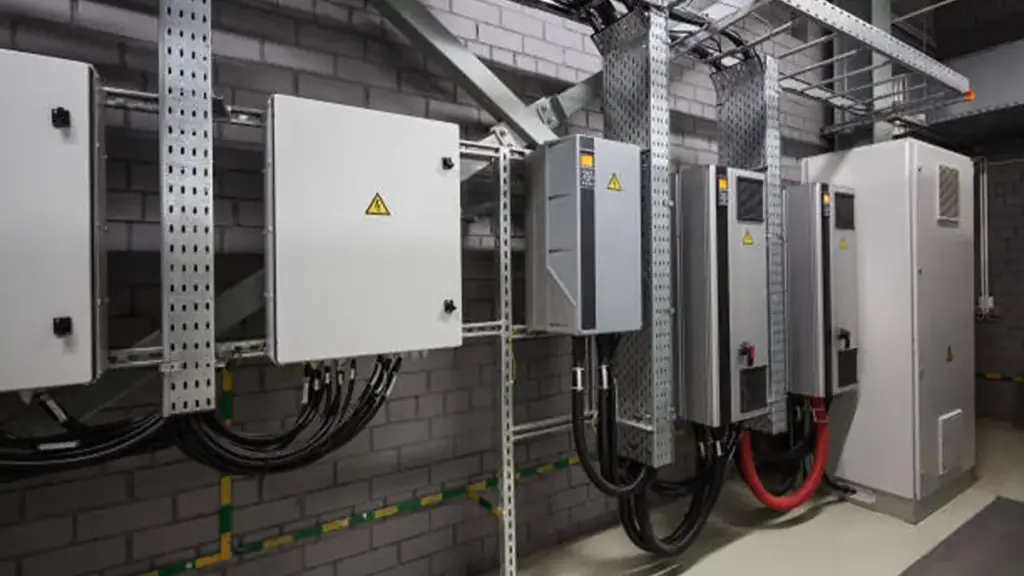
Cabinet reliability depends on matching the total thermal load with a cooling system that removes internal component heat and manages external environmental gains while maintaining sealing standards.
Thermal Load Calculations and Governing Variables
Sizing a cooling solution requires a dual-part calculation. First, we isolate internal component losses. Then, we determine the net heat moving through the enclosure walls due to ambient conditions.
- Internal Heat Load: Sum the maximum heat output of all components under worst-case operating conditions. Convert electrical power losses to thermal load using the ratio of 1 watt to 3.413 BTU/hr.
- External Heat Transfer: Apply the equation Q = U x A x Delta T, where A is the total exposed surface area of the cabinet and Delta T is the difference between the maximum ambient temperature and the maximum allowable internal temperature.
- Material Thermal Properties: Cabinet material influences heat transfer, but enclosure cooling performance also depends on wall thickness, surface area, finish, and ambient conditions. The choice between carbon steel and stainless steel enclosure materials also depends on factors such as corrosion resistance, mechanical strength, and installation environment. Aluminum generally transfers heat more efficiently than stainless steel, while coated steel and stainless steel are often selected for their mechanical strength and corrosion resistance.
A common sizing issue is using average operating conditions instead of worst-case heat loads and maximum ambient temperatures. Always use worst-case peak parameters to prevent component failures during localized seasonal temperature spikes.
Cooling Methodology and Selection Standards
Choosing the right cooling hardware depends on clean air availability, sealing requirements, and temperature differentials. The environment dictates whether an open or closed loop is acceptable.
- Passive and Open-Loop Ventilation: Natural convection and filtered fans are suitable when the surrounding air is relatively clean and cooler than the enclosure interior. These solutions are commonly used for lower protection applications such as NEMA 1 or selected NEMA 12 environments where filtered airflow is acceptable.
- Closed-Loop Technologies: Employ air-to-air heat exchangers or water-to-air systems to protect internal electronics from dust, moisture, and chemical washes. These options maintain the sealed integrity of NEMA 4, 4X, or 12 cabinets.
- Active Vapor-Compression Refrigeration: Deploy compressor-based air conditioners or thermoelectric coolers when the target internal temperature must sit below the maximum ambient limit or when handling high-density heat loads.
- Environmental Installation Factors: Size all equipment using the absolute maximum site ambient temperature and account for outdoor solar gain. Apply a safety margin, typically 20% to 30%, to guarantee performance when filters get dirty.
If a sealed cabinet is installed outdoors or in a washdown environment, open-loop fans may compromise the enclosure protection level by introducing moisture, dust, or contaminants into the cabinet.
Electrical Enclosure Cooling Methods Compared
We compare passive, open-loop, and closed-loop cooling technologies to help you match thermal loads and NEMA ratings without over-engineering your cabinet ventilation.
| Cooling Approach | Loop Type | Temperature Capability | NEMA Sealing Compatibility |
|---|---|---|---|
| Passive Convection | Sealed (No exchange) | Above Ambient Only | Preserves High Sealing (NEMA 4/4X/12) |
| Filtered Fans | Open-Loop (Direct air) | Above Ambient Only | Limited (NEMA 1, 12/IP54 with filters) |
| Air-to-Air Heat Exchanger | Closed-Loop (Sealed core) | Above Ambient Only | Preserves High Sealing (NEMA 4/4X/12) |
| Enclosure Air Conditioner | Closed-Loop (Active compressor) | Sub-Ambient Cooling | Preserves High Sealing (NEMA 4/4X/12) |
| Thermoelectric Peltier | Closed-Loop (Solid-state) | Sub-Ambient Cooling | Preserves High Sealing (NEMA 4/4X/12) |
| Vortex Tubes | Pneumatic (Compressed air) | Sub-Ambient Cooling | Preserves High Sealing (NEMA 4/4X/12) |
Comparison of Passive, Open-Loop, and Closed-Loop Thermal Technologies
Selecting the right cooling method depends on the thermal environment, the target internal temperature, and whether you can tolerate direct ambient air exchange inside your cabinet. Every thermal technology has a specific operating limit and sweet spot.
- Natural Convection: This passive approach relies on conduction through the enclosure walls. It uses no power, creates zero noise, and features no moving parts. The main drawback is a very limited cooling capacity, making it suitable only for low-heat systems with ambient temperatures safely below the maximum allowable internal temperature.
- Filtered Fans (Open-Loop Forced Convection): Filtered fans continuously pull ambient air through the cabinet. They represent one of the most economical cooling options but require clean, non-corrosive ambient conditions. Open-loop fans cannot cool below ambient and will draw in dust and moisture if filters are poorly maintained.
- Air-to-Air Heat Exchangers: These closed-loop systems use a sealed heat exchanger core to isolate internal air from the external environment. They transfer heat efficiently using minimal fan power. They work well in dusty or washdown environments, but the ambient air must remain cooler than the desired internal temperature.
- Enclosure Air Conditioners: Compressor-based, closed-loop refrigeration units cool the internal air below ambient temperatures. This active method is critical when external temperatures exceed 35°C or when high-density electronics generate extreme thermal loads.
- Thermoelectric Peltier Coolers: These solid-state devices use semiconductor junctions to pump heat. They operate with no compressors or liquid refrigerants, making them vibration-resistant and highly mount-flexible. They have a low coefficient of performance (COP) and work best for small control boxes or localized spots.
- Compressed-Air Vortex Tubes: Vortex tubes split compressed air into hot and cold streams, pushing cold air into the cabinet. They are robust, compact, and completely spark-free. This makes them ideal for hazardous locations, though they require a reliable, expensive compressed air supply.
Selection Criteria Based on Thermal Load and Environmental Ratings
To prevent system failures and equipment trips, we use a structured calculation path to map heat loads and environmental demands to the correct hardware.
- Thermal Calculations: Calculate the internal heat load by summing the maximum heat dissipation (W) of all installed components under worst-case operation. Convert watts to BTU/hr using 1 W = 3.413 BTU/hr. Add external heat transfer based on exposed surface area, temperature differential (ΔT), and solar loading if deployed outdoors. We apply a 20% to 30% design margin to account for filter fouling and component aging.
- NEMA and IP Rating Compliance: The cooling method must be selected without compromising the enclosure’s required protection level. Filter fans are commonly used for NEMA 1 or NEMA 12 applications where the operating environment is clean and filtered airflow is acceptable. For outdoor, washdown, marine, or corrosive environments requiring NEMA 4, NEMA 4X, or IP66 protection, closed-loop solutions such as sealed air conditioners or air-to-air heat exchangers help maintain the enclosure’s sealing performance while managing internal heat loads.
- Energy Efficiency: Passive methods and fans consume minimal energy. Air-to-air heat exchangers operate highly efficiently because they avoid compressors. Refrigeration-based AC units draw significant power, while thermoelectric systems run continuously with low thermal efficiency. Vortex coolers carry a high operating cost due to their heavy compressed air usage.
- Maintenance and Reliability: Filtered fans require frequent filter cleaning. Air conditioners need periodic condenser coil clearing, filter changes, and condensate drain monitoring. Vortex tubes have no moving parts but require clean, dry compressed air to prevent internal freezing, whereas solid-state thermoelectric coolers offer high mechanical reliability with only external fan maintenance.
- System Deployment Guidelines: We lay out components using thermal zoning. Place high-heat devices like VFDs, soft starters, and power supplies in the upper third of the cabinet so rising heat exits quickly, or place them directly in the forced airflow stream. Keep logic controllers (PLCs) and analog modules in the cooler lower regions. Ensure a continuous 100mm to 200mm vertical air column to prevent stagnant hot pockets.
Custom Industrial Enclosures Built to Last
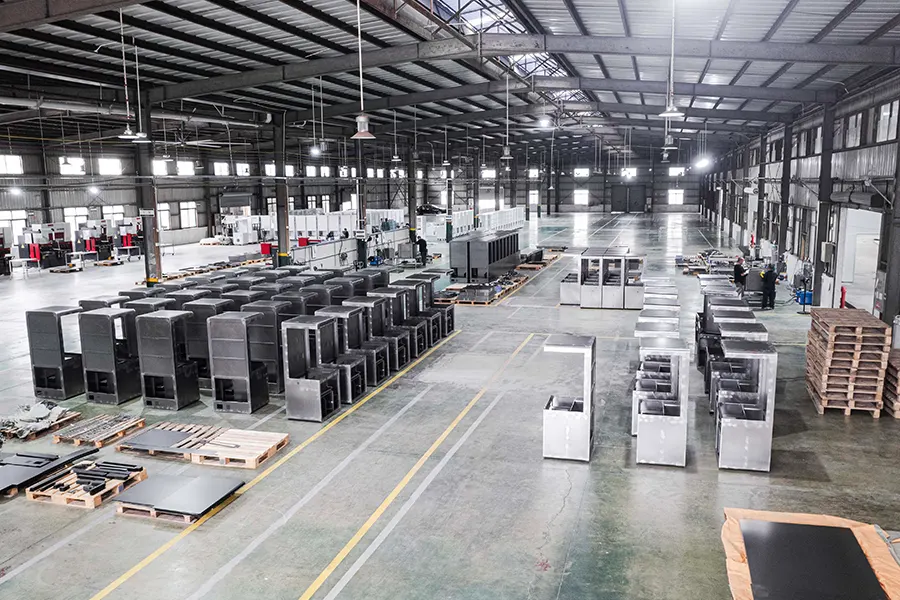
How to Calculate Electrical Enclosure Cooling Capacity
Sizing an enclosure cooling system requires balancing internal component heat, external environmental gains, and natural wall dissipation to maintain safe operating temperatures under worst-case peak loads.
Summing Internal Heat Loads and External Thermal Gains
We begin by identifying every heat-producing device mounted inside the cabinet. You cannot rely on nominal loads; instead, always calculate using the maximum heat outputs under peak operations to prevent localized hot spots.
- Variable Frequency Drives (VFDs): These major heat sources typically dissipate 3% to 5% of their rated motor power as heat.
- Power Supplies: These devices lose a percentage of their output capacity, which you can calculate via input power × (1 – efficiency).
- PLCs and Controllers: These units generate a continuous heat output, usually ranging from 20 to 50 watts each.
- Intermittent Components: You must adjust components like braking resistors or heaters by multiplying their total wattage by their specific operational duty cycle fraction.
Summing these individual effective losses gives the total continuous internal heat load. Ignoring secondary components like network switches, relays, or contactors will lead to under-sized cooling systems and premature component wear.
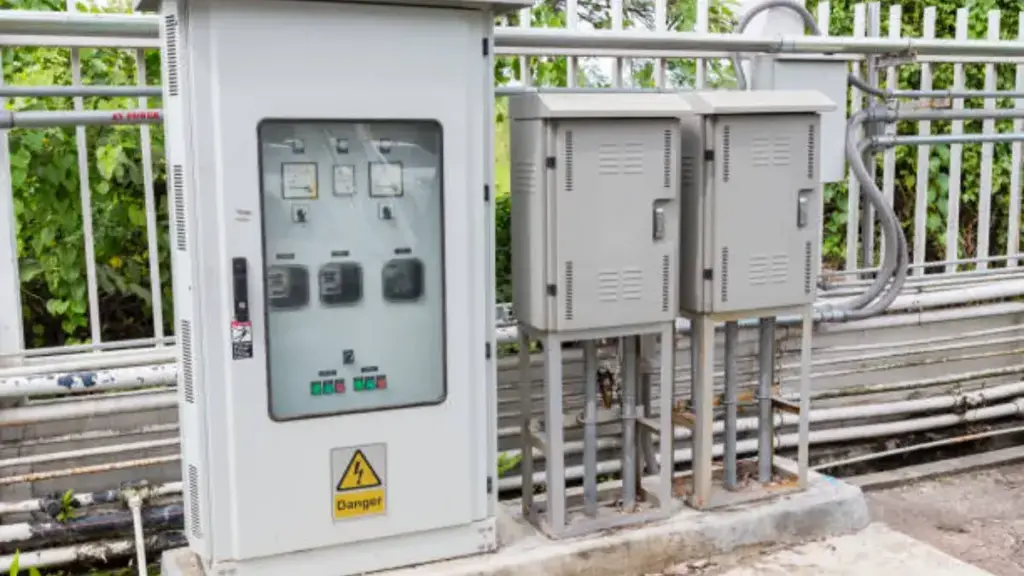
Next, we evaluate the impact of the surrounding environment on the enclosure. If your cabinet sits outdoors or near high-temperature machinery, ambient heat will migrate through the walls and increase the overall cooling load. For outdoor applications, custom outdoor electrical cabinets should also be designed with proper protection against weather exposure, solar radiation, and temperature fluctuations.
Solar loading adds a massive thermal burden to outdoor cabinets. Using lighter colors, reflective coatings, or sunshades reduces this absorption. To find the design temperature differential (ΔT), subtract your maximum target internal temperature from the peak ambient temperature of the site.
Calculating Natural Dissipation and Active Cooling Requirements
Enclosure walls naturally transfer heat to or from the surrounding air. We calculate the exposed surface area of the cabinet, making sure to exclude unexposed sides like wall-mounted backs or floor-contacting bottoms.
The natural heat dissipation capability of the walls depends on the heat transfer coefficient (k-factor) of the material and your calculated ΔT. Steel, stainless steel, aluminum, and non-metallic materials all conduct heat differently, meaning your material choice directly alters natural heat transfer. If the ambient air is cooler than the cabinet interior, the walls help cool the system. If the ambient air is hotter, heat migrates inward, adding to your cooling deficit.
When natural wall dissipation cannot handle the internal heat load, we must introduce active cooling. For sealed enclosures or environments where internal temperatures must drop below ambient, we use closed-loop cabinet air conditioners or air-to-air heat exchangers.
For clean, cool indoor environments, filtered fans provide a simple option. We size the chosen active system to manage the net cooling deficit, and then add a critical safety margin to ensure long-term reliability.
- Standard Design Margin: We add 20% to 30% extra capacity to the calculated load to handle transient peak operations, altitude changes, and filter fouling.
- Thermal Conversion: We convert the final wattage requirement to thermal units using the industry standard: 1 watt = 3.413 BTU/hr.
- Airflow Volume (CFM): For fan systems, we size the required airflow using the formula CFM ≈ (3.16 × Watts) / ΔT in °F.
This systematic calculation process prevents unexpected system shutdowns, nuisance trips, and thermal failures, keeping your sensitive controls operating within safe, stable limits.
Cooling Selection by Environment and Protection Rating
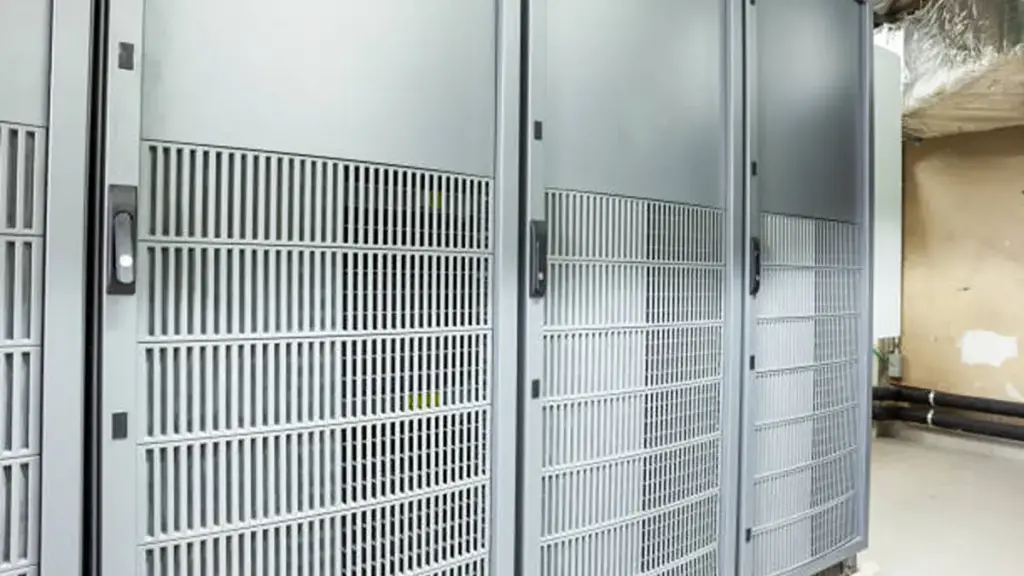
Matching your cooling system directly to the enclosure’s NEMA or IP rating prevents environmental contamination and premature electrical component failure.
Environmental Demands and Protection Rating Alignment
Before specifying any cooling hardware, you must map the exact physical hazards at your installation site. Factory floors, coastal facilities, and outdoor switchyards each present distinct destructive forces that will quickly disable unrated equipment.
Evaluating these local hazards defines your target protection level:
- Indoor particulate load: Fine dust, lint, and airborne oil mists require physical barrier layers to keep contaminants off hot electronic boards.
- Outdoor weather elements: Rain, sleet, snow, and windblown sand demand robust, rain-tight or weather-resistant cabinet seals.
- Corrosive agents: Caustic washdown chemicals in food processing or salt air in marine environments eat away standard metal cooling housings, requiring specialized materials.
This physical hazard map dictates your required NEMA enclosure type or IP rating. Standard indoor setups might only face minor dust, but outdoor panels absorb massive radiant energy. You must add solar loading to your peak ambient temperature calculations. Furthermore, rapid outdoor temperature swings create a high risk of internal condensation, meaning you must integrate moisture-management features to keep internal electronics dry.
Cooling Method Compatibility by NEMA and IP Class
Your chosen cooling device must maintain the design rating of the enclosure shell. Installing an unrated fan on a sealed cabinet immediately voids its ingress protection rating, opening the door to catastrophic water or dust entry. Proper electrical enclosure selection and customization also plays an important role in balancing thermal performance, protection requirements, and application conditions.
Select your thermal hardware based on these strict compatibility rules:
- Filter fans (NEMA 12 / IP54): Use these open-loop systems only in relatively clean, indoor environments with moderate dust and non-washdown conditions where ambient air is cooler than the cabinet setpoint.
- Air conditioners (NEMA 4 / 4X / IP66): Deploy these closed-loop refrigeration units for heavy washdown areas, wet environments, coastal sites, or high-ambient outdoor setups to keep the cabinet completely sealed.
- Air-to-air heat exchangers: Install these closed-loop devices to isolate sensitive internal electronics from dusty ambient air when you want to avoid active refrigeration energy costs.
Always double-check every single accessory before final installation. All penetrations, fans, drains, and cable glands must share an equal or greater ingress rating than the enclosure shell. If a single minor component falls short, the entire system loses its environmental certification.
Custom Electrical Enclosure Design for Integrated Thermal Management
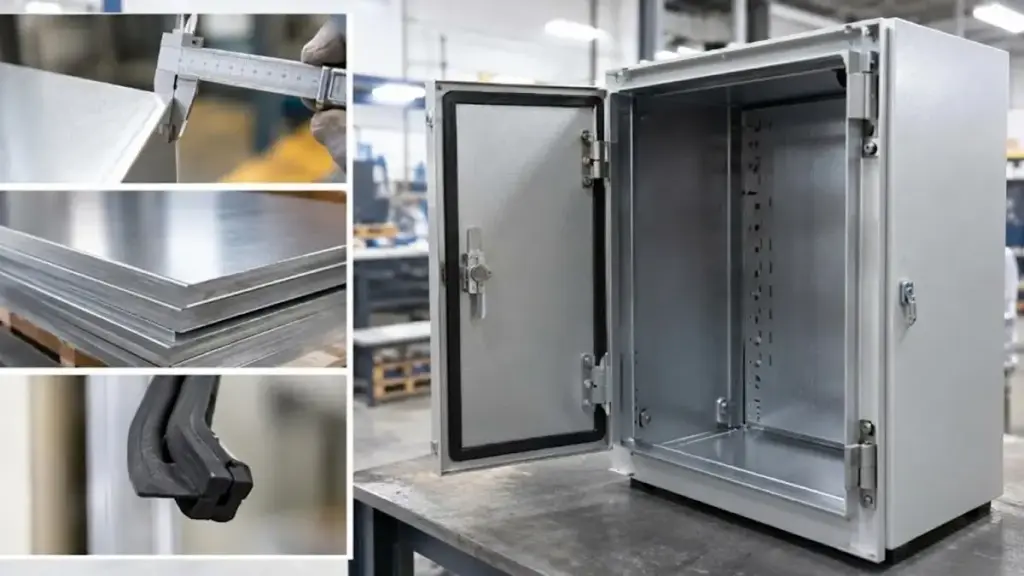
Cooling performance does not depend only on the selected cooling device. The enclosure structure, material selection, sealing method, and component layout also directly affect thermal reliability. SJE Enclosure provides custom-engineered metal enclosures designed around specific application requirements, including NEMA-rated protection, outdoor environments, industrial control systems, and demanding thermal conditions.
By considering enclosure construction and cooling requirements together during the design stage, we help customers create solutions that balance heat dissipation, environmental protection, and long-term equipment reliability. Our manufacturing capabilities include custom metal fabrication, stainless steel and carbon steel enclosures, and application-focused designs for industrial electrical systems.
Whether the application requires protection against dust, moisture, corrosion, or temperature fluctuations, SJE Enclosure works with customers to develop enclosure solutions that support reliable equipment operation.
Airflow and Component Layout for Better Heat Control
Proper panel layout and airflow management can significantly reduce localized hot spots and improve cooling efficiency without immediately increasing cooling capacity.
Standard panel design relies heavily on natural physical properties. Because warm air rises, you must establish a clear vertical path. Proper electronic enclosure design also helps optimize internal airflow and prevent localized heat buildup. Poor layout forces fans to run continuously, driving up energy costs and accelerating hardware wear.
Airflow Path Design and Air Column Maintenance
To keep temperatures stable, design a clear route for air to move. Any physical restriction in the main path chokes volumetric flow, neutralizing your cooling hardware’s rated capacity.
- Primary air path: Establish a vertical bottom-to-top air path matching natural convection currents.
- Aperture positioning: Position fresh air inlets in the lower third and exhausts in the upper third on opposite sides.
- Air column: Maintain an unobstructed continuous air column of 100 to 200 mm to prevent physical blockages.
- Recirculation control: Separate inlets and exhausts to eliminate short-circuiting and thermal recirculation loops.
- Flow guidance: Use physical baffles and specialized ducts to guide air through high-resistance component nests.
Thermal Zoning and Spatial Separation Strategy
Do not cluster high-heat devices. Grouping components by their operating temperatures keeps sensitive electronics isolated from high-heat exhaust paths.
- Thermal zoning: Group components into distinct hot, warm, and cool thermal zones based on heat output.
- High-heat placement: Position variable frequency drives and power supplies near the exhaust or in high-airflow areas.
- Sensitive hardware: Keep sensitive programmable logic controllers and sensors in cooler lower regions.
- Stacking clearances: Enforce vertical offsets and minimum clearances to prevent rising heat from preheating stacked devices.
- Cable routing: Route wiring and heavy cable bundles parallel to the air path to avoid creating thermal dams.
Common Electrical Enclosure Cooling Problems
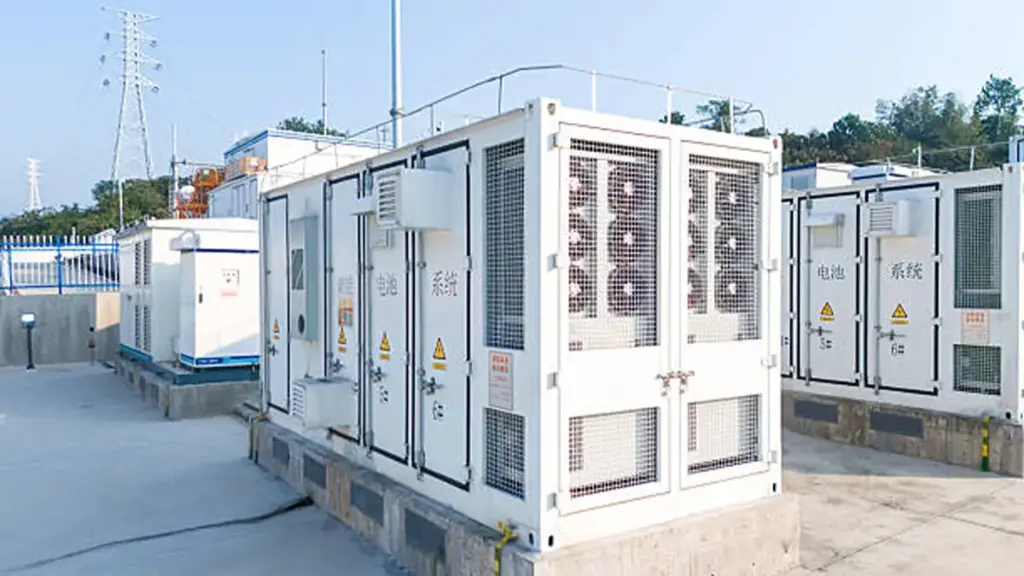
Undersized cooling units and poor component layouts cause hot spots and premature electronics failure. Proper sizing and clear airflow paths prevent costly unscheduled downtime.
Thermal Sizing and Equipment Selection Errors
Designers often treat thermal management as an afterthought, leading to system designs that fail under peak operational stress.
- Overlooked Secondary Heat: Ignoring heat dissipation from secondary components like power supplies, contactors, and relays leads to severely underestimated thermal loads.
- Neglected Ambient and Solar Variables: Failing to account for extreme ambient temperatures and solar radiation on outdoor enclosures results in undersized cooling systems.
- Misapplied Ventilation Fans: Relying on simple ventilation fans in high-temperature or heavily contaminated environments compromises both cooling capacity and ingress protection.
- Nominal Capacity Assumptions: Selecting cooling units based on nominal capacity without checking real-world performance curves leaves no margin for filter fouling or future load increases.
Systems fail because design calculations ignore real-world environment factors, leaving sensitive electronics to cook in their own waste heat.
Airflow Management and Environmental Protection Failures
Even the largest cooling unit fails if the cooled air cannot physically reach the heat-producing components.
- Poor Thermal Zoning: Placing high-power components near the top or clustering them together obstructs natural convection and creates localized thermal zones.
- Short-Circuiting Airflow: Locating intake and exhaust vents too close together causes air short-circuiting, letting cool air bypass hot electronics entirely.
- Fouled Heat Exchangers: Accumulated dust, oil, and moisture clog filters and foul heat exchangers, drastically reducing active cooling efficiency.
- Blocked Airflow Corridors: Neglecting physical obstructions like thick cable bundles blocks critical airflow paths designed to sweep heat away from sensitive drives and PLCs.
Efficient thermal management requires a continuous vertical air path and dedicated space between dense components to prevent localized hotspots.
Frequently Asked Questions
When do electrical enclosures need active cooling?
Active cooling becomes necessary when the sum of internal component heat and external environmental factors pushes internal temperatures past safe limits—typically 35°C to 40°C (95°F to 104°F). This threshold is breached quickly when you pack high-power devices like VFDs, power supplies, or transformers into sealed cabinets, or when outdoor solar radiation adds massive radiant heat load to the enclosure walls.
What is the difference between open-loop and closed-loop enclosure cooling?
Open-loop systems draw ambient air directly into the cabinet using filter fans to push heat out. This setup is inexpensive but only works in clean environments. Closed-loop systems seal the enclosure completely. They continuously recirculate clean internal air through an air conditioner or heat exchanger, isolating your electronics from outdoor moisture, heavy dust, or corrosive chemical vapors.
Can you use a fan to cool an electrical enclosure?
Yes, but only if the ambient air stays cooler than your target internal temperature and the site is clean and dry. Filter fans work well for NEMA 1 or selected NEMA 12 applications when the surrounding environment is clean and dry. If your application demands a sealed rating like NEMA 4, 4X, or 12 to block water or heavy dust, an open fan will breach that seal. In those cases, you must use closed-loop cooling.
How do you calculate the cooling requirements for an electrical enclosure?
First, sum the worst-case heat dissipation (in watts) of all internal components like VFDs and power supplies. Next, calculate the conductive heat transfer through the enclosure walls using the exposed surface area, material properties, and the temperature difference (ΔT) between the max ambient and target internal temperatures. For outdoor setups, add the solar heat gain. Finally, apply a 20% to 30% safety margin to size your fan airflow (CFM) or air conditioner capacity (BTU/hr).
What is the best cooling method for an outdoor electrical enclosure?
For outdoor electrical enclosures exposed to high temperatures, moisture, or contamination risks, closed-loop cooling systems are often the preferred solution. Specifically, use a sealed enclosure air conditioner or an air-to-air heat exchanger to maintain NEMA 4 or 4X integrity and block rain, humidity, and dust. To cut down the required cooling capacity, always apply passive strategies: use light-colored reflective paint, mount sunshades, and orient the cabinet to minimize direct solar exposure.
Final Thoughts
Under-specifying your thermal management to save on upfront costs always introduces severe operational risks. Investing in precise, NEMA-compliant cooling systems is the only reliable way to protect sensitive electronics and prevent unexpected process downtime. Selecting the correct enclosure protection and thermal management approach helps maintain equipment reliability throughout its service life.
Avoid guesswork by verifying your thermal requirements with experienced enclosure specialists. Our engineering team can help review your enclosure specifications, protection ratings, material selection, and thermal management requirements to develop a reliable custom solution.