5052 Und 6061 sind zwei der am häufigsten gesuchten Legierungen für Gehäuseprojekte, da sie an der Schnittstelle der Verfügbarkeit liegen, Herstellbarkeit, und Leistung. Der Unterschied besteht darin, dass sie an verschiedenen Stellen des Gebäudes glänzen.
5052 vs 6061 Aluminiumübersicht für Blechgehäuse
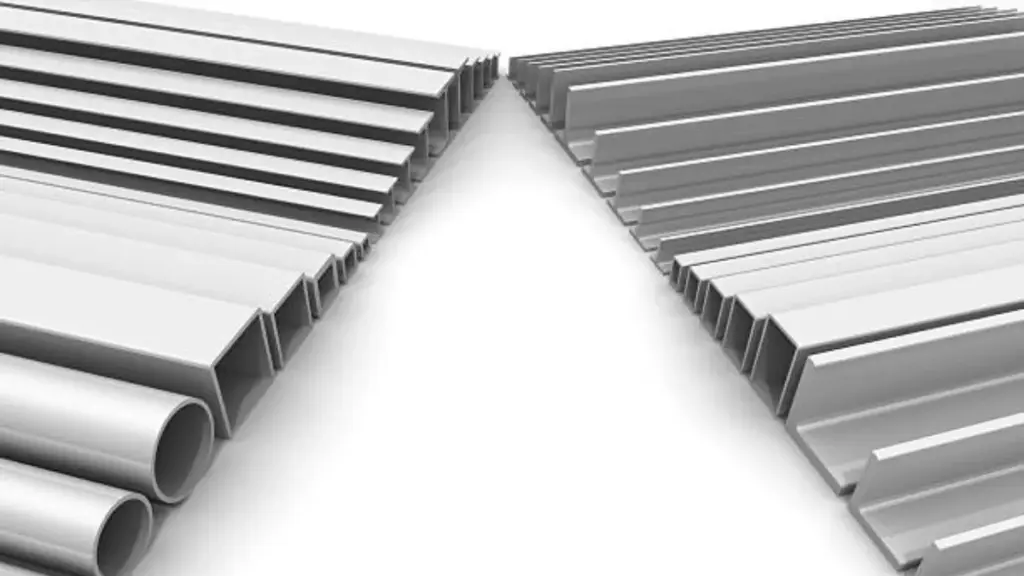
5052 wird allgemein für die Blechumformung und Korrosionsbeständigkeit empfohlen, während 6061 wird häufig verwendet, wenn höhere Festigkeit und bessere Bearbeitbarkeit Priorität haben. 5052 wird typischerweise in Temperamenten wie 5052-H32 diskutiert, Und 6061 wird für Festigkeitsvergleiche oft als 6061-T6 diskutiert.
| Auswahlfaktor | 5052 Aluminium (oft 5052-H32) | 6061 Aluminium (oft 6061-T6) | Enclosure impact |
|---|---|---|---|
| Strength and hardness | Lower than 6061-T6 | Higher strength and hardness in T6 | 6061 can be advantageous for structural parts, dent resistance, and rigidity targets |
| Forming and bending | Generally easier to bend and form with lower cracking risk | More sensitive to tight bend radii, cracking risk is higher in T6 | 5052 is often chosen for folded shells, Türen, and covers with multiple bends |
| Machining and tapping | Machinable, but not typically the first choice for CNC-heavy designs | Commonly preferred for CNC machining and precision features | 6061 can reduce machining time and improve feature accuracy for enclosure accessories |
| Corrosion resistance | Often described as better for saltwater or coastal exposure | Good corrosion resistance, but often positioned below 5052 for marine | 5052 is frequently specified for outdoor coastal cabinets and marine-adjacent installs |
| Heat treatment | Not heat-treatable for strength, properties mainly from cold work | Heat-treatable, T6 is a common high-strength temper | 6061 can hit higher strength targets, but temper choices affect bendability |
| Typical enclosure strategy | Use for formed sheet metal parts | Use for machined or load-bearing parts | Many projects mix 5052 for shells and 6061 for machined brackets or plates |
Quick starting guidance (not a substitute for engineering validation):
- If your enclosure is bend-dominant with tight flanges, Lamellen, or complex folds, start your evaluation with 5052-H32.
- If your enclosure requires extensive machining, tapped holes, precision interfaces, or higher rigidity at a given thickness, start your evaluation with 6061 (often T6).
- If you need both, plan a hybrid bill of materials that assigns each alloy to the parts where it performs best.
Mechanical Properties Comparison
Most top-ranking comparisons focus first on yield strength, tensile strength, and hardness, because those are easy to compare and strongly influence how the enclosure behaves under load and abuse. 6061-T6 is typically presented as significantly stronger and harder than 5052-H32. In enclosure terms, that difference can show up as less permanent bending after an impact, improved dent resistance, and better ability to serve as a semi-structural housing.
But a sheet metal enclosure is not a solid block of metal. Geometry often dominates performance. A well-designed 5052 enclosure with properly placed bends, return flanges, and stiffeners can outperform a poorly designed 6061 enclosure in real-world rigidity. This is why property tables should be read together with manufacturing constraints and design features.
How each property typically maps to enclosure decisions:
- Yield strength: Influences when panels permanently deform. Higher yield strength can help for enclosures that might be climbed on, bumped by carts, or carry heavy internal components.
- Hardness: Impacts scratch and dent resistance during shipping, installation, and maintenance.
- Fatigue resistance: Matters if the enclosure sees vibration, repeated opening cycles, or dynamic loads; 5052 is shown to have favorable fatigue behavior and ductility in comparison discussions.
- Stiffness: Often misunderstood. Both are aluminum alloys and have similar elastic modulus, so stiffness differences are often driven by thickness and geometry more than alloy.
What specific risks do you need to identify?
- If the biggest risk is cracking during fabrication, optimize for formability first, then add stiffness with geometry.
- If the biggest risk is field deformation or mounting deflection, consider 6061 for the load path components, not necessarily the entire enclosure shell.
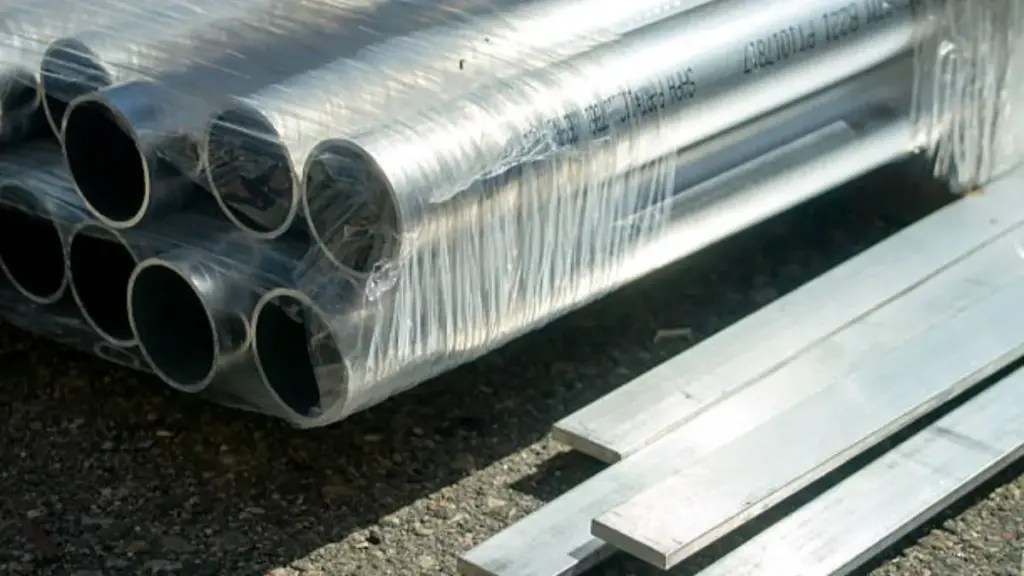
Chemical Composition and Heat Treatment: 5052-H32 vs 6061-T6
Material chemistry explains why these alloys behave so differently. 5052 is commonly described as an aluminum-magnesium alloy, Und 6061 as an aluminum-magnesium-silicon alloy. That difference is tied to how they gain strength, how they respond to fabrication heat, and how they resist corrosion in demanding environments.
The most common enclosure-relevant tempers you’ll see in sourcing conversations are:
- 5052-H32, a strain-hardened and partially annealed condition that balances strength with bendability.
- 6061-T6, a heat-treated and artificially aged condition used to achieve higher strength and hardness.
A key selection consequence is heat treatability. Many comparisons emphasize that 5052 is not heat-treatable for strengthening in the same way 6061 Ist, während 6061 can be heat-treated to significantly increase strength (commonly cited as T6). For enclosures, this often affects how confidently you can specify thin walls for stiffness targets, and how you plan around welding or other heat input processes that may locally change properties.
If your enclosure design uses welded seams, Klammern, or studs, align alloy choice with your joining strategy early. The alloy and temper you choose can influence distortion risk, cosmetic outcomes after finishing, and how much post-processing is needed to meet flatness and appearance requirements.
Bildung, Biegen, and Machining Performance
For sheet metal enclosures, manufacturability is often the deciding factor. Many comparisons specifically call out 5052 as a strong choice for bending and forming, and 6061-T6 as more crack-prone when bend radii get tight, während 6061 is frequently praised for machining performance.
Use this section as a DFM checklist when you’re deciding alloy and finalizing drawings.
Forming and bending considerations
- Bend radius expectations matter. Tight inside radii increase cracking risk, especially for stronger tempers like 6061-T6.
- Bend direction relative to rolling grain can change bend outcomes; if 6061 is required, specifying grain direction or allowing alternate bend orientations can improve yield.
- Complex enclosure shells with many flanges, hems, and formed returns are usually more production-stable in 5052-H32 because it is widely positioned as more formable.
- If the enclosure needs cosmetic-grade corners and consistent bend lines, choose the alloy that reduces rework and crack risk first, then tune stiffness using geometry.
Machining and Precision-feature Considerations
- If your enclosure includes milled pockets, precision mounting faces, tapped patterns, or tight tolerance features beyond what punching/laser can provide, 6061 is often selected because it is commonly described as more machinable.
- If you plan to add threaded features, consider whether you’ll use formed threads, PEM inserts, weld nuts, or machining and tapping; the best approach can shift depending on the alloy and thickness.
A Common High-performance Enclosure Approach
- Use 5052 for the formed enclosure body and doors, where bend reliability drives cost and schedule.
- Use 6061 for internal mounting plates, machined brackets, heat sinks, or structural rails that benefit from machining and higher strength.
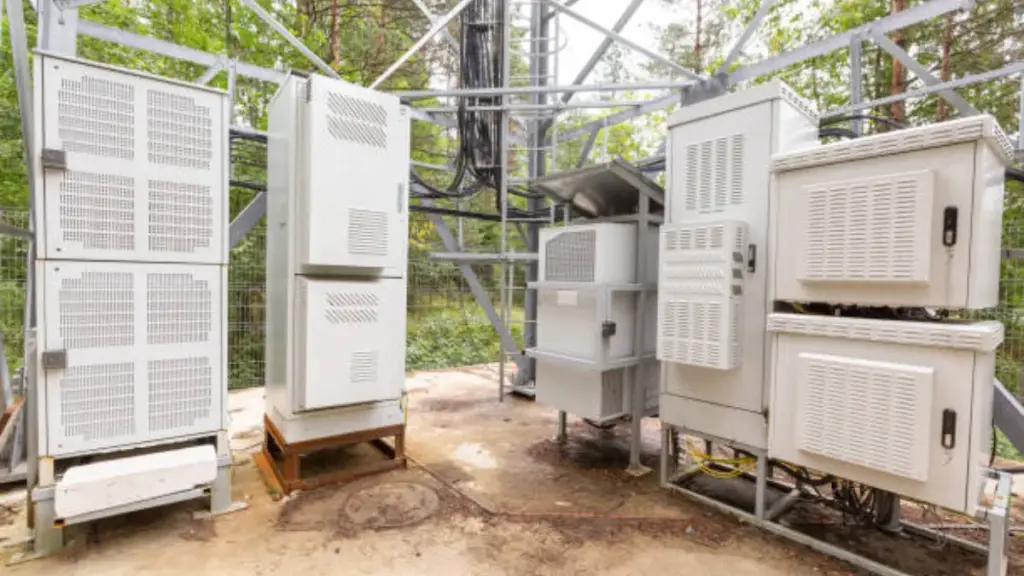
Corrosion Resistance and Surface Finishing Options for Outdoor and Coastal Enclosures
Corrosion performance is repeatedly highlighted in 5052 vs 6061 comparisons, especially for outdoor and marine-adjacent projects. 5052 is often positioned as having stronger corrosion resistance in saltwater environments than 6061. Both alloys can be finished for improved durability and appearance, with anodizing frequently mentioned as compatible with both.
Typical Exposure Scenarios and What to Consider
- Outdoor general weather: Either alloy may work, but you should specify a coherent finish system, edge protection, and sealing strategy.
- Coastal or salt-spray: 5052 is commonly favored in comparisons for this environment; finishing and fastener selection still matter.
- Industrial contaminants: Plan for chemical exposure, cleaning agents, and particulate abrasion; finish selection and gasket chemistry can be as important as the base alloy.
- Washdown and frequent cleaning: Surface finish durability, corner detailing, and water-trap avoidance often determine service life more than the alloy label.
Finishing Options to Align with Enclosure Expectations
- Anodizing for corrosion resistance and surface hardness, often used for aluminum housings and panels.
- Powder coating for color, UV stability, and impact protection, often selected for outdoor cabinets and industrial equipment housings.
- Design-for-drainage details, gasket compression uniformity, and hardware isolation to reduce corrosion initiation points.
If you’re targeting a specific ingress or environmental requirement, lock down the finish and sealing plan at the same time you finalize alloy choice so the whole enclosure system is consistent.
Kosten, Manufacturability, and Lead Time Considerations
Comparisons commonly note that 6061 can carry higher cost and that processing expectations influence pricing, and they also stress that the real-world choice depends on the application rather than the name alone. For enclosures, total cost is usually driven by fabrication risk and cycle time, not just material price.
Cost and schedule drivers that typically swing the decision:
- Scrap risk in bending. If an alloy/temper combination is more likely to crack at your specified bend radii, your real cost increases through rework, scrap, and delays.
- Machining time. If your design is CNC-heavy, 6061’s commonly cited machinability can reduce cycle time and improve repeatability.
- Finishing and cosmetics. Cosmetic targets can add prep steps; alloys that reduce surface defects and rework help protect both cost and schedule.
- Designkomplexität. The more bends, the more cutouts, the more inserts, the more welded assemblies, the more your manufacturability choices matter.
Why Partner with SHIJIE for Custom Sheet Metal Enclosures
A good alloy selection guide should end with a practical outcome: an enclosure that builds cleanly, ships on time, and performs in the field. Material choice is only one lever. The best results come when your enclosure manufacturer can connect alloy behavior to real fabrication controls, inspection standards, and finishing consistency.
SHIJIE can help you avoid the two most common pitfalls seen in 5052 vs 6061 decisions:
- Selecting 6061-T6 for “strength” without validating bend radii and forming steps, then discovering cracking and rework late in prototyping.
- Selecting 5052 for “formability” but placing machining-heavy precision requirements on parts that would be cheaper and cleaner in 6061.
When the enclosure is engineered with the fabrication sequence in mind, you can often reduce thickness, improve stiffness using geometry, and select the alloy that minimizes risk at each step. If you share your enclosure drawings and operating environment, SHIJIE can recommend a 5052-first, 6061-first, or hybrid approach that balances manufacturability, corrosion life, and total landed cost.
If you want pricing to be accurate and fast, prepare a clean RFQ package:
- 2D drawings and 3D models
- Material and thickness targets (or performance requirements if material is flexible)
- Finish requirement (anodize, powder coat color, Textur)
- Hardware list (inserts, Scharniere, Riegel, Dichtungen)
- Quantity and forecast
- Installation environment and any compliance needs