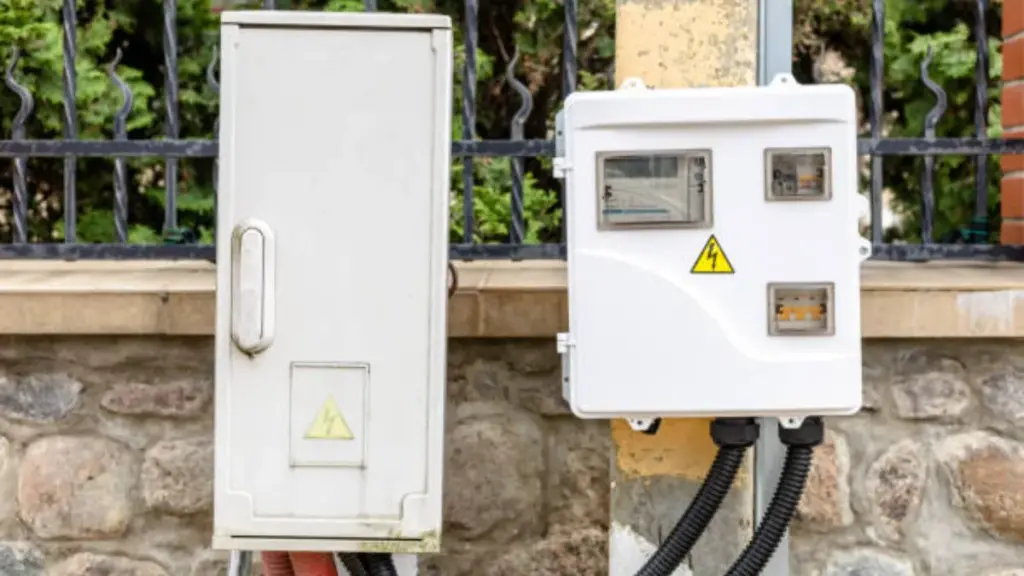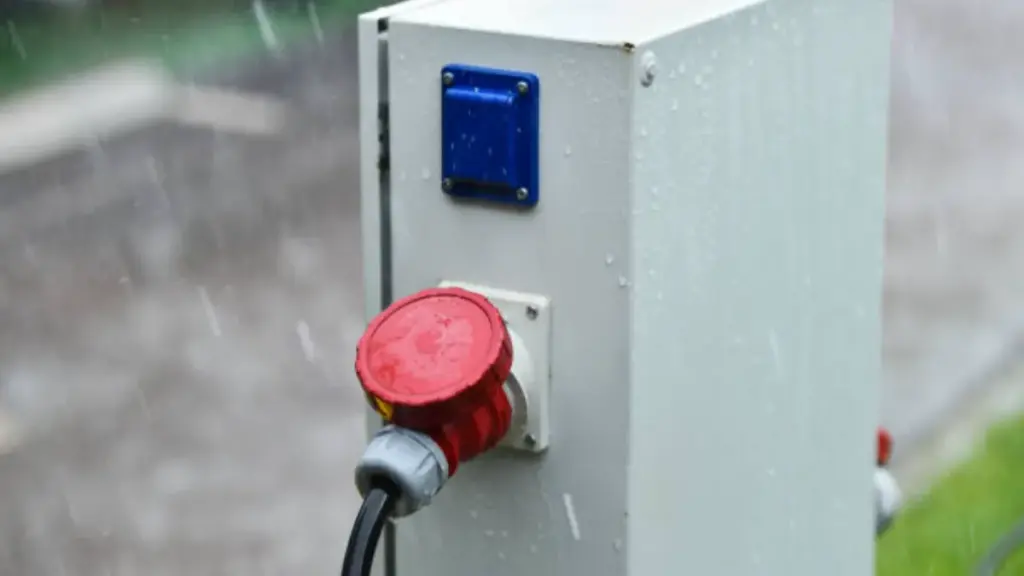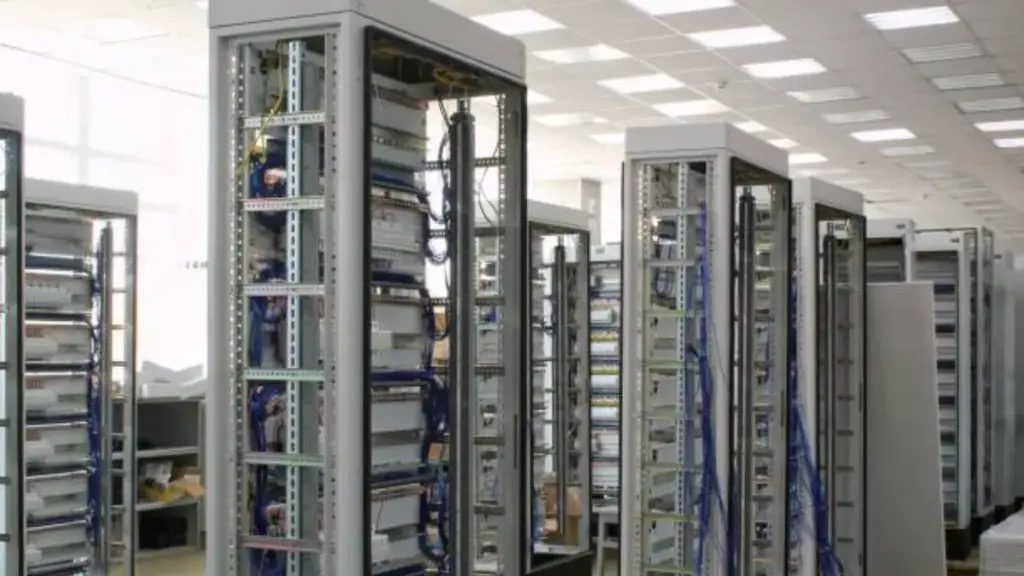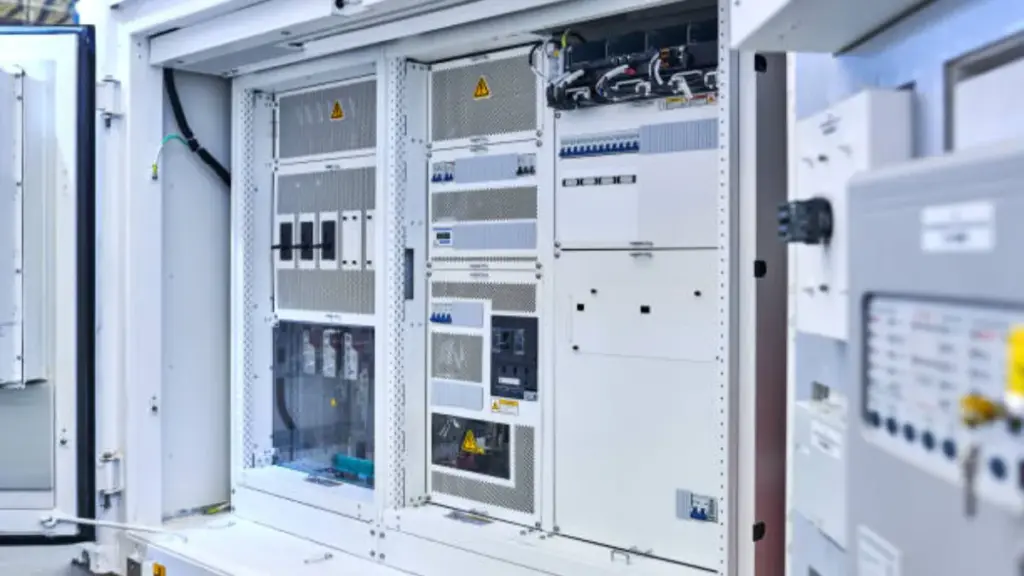
Analyzing IP55 vs IP67 sourcing dictates whether your project balances its equipment budget or suffers catastrophic hardware failure. Specifying the wrong enclosure either exposes sensitive electronics to environmental destruction or drains capital expenditure on unnecessary seals. Deploying submersion-rated housings in standard environments wastes procurement funds, while under-specifying outdoor cabinets guarantees rapid system degradation.
This analysis benchmarks temporary immersion against low-pressure jet resistance to define exact operational limits. We evaluate the 15 to 25 percent upfront cost premium of IP67 alongside strict laboratory metrics, like the 1-meter submersion standard, to help you execute a financially sound hardware rollout.
Difference Between: Splash vs. Immersion
IP55 handles low-pressure water splashes for wet environments, while IP67 survives complete submersion up to one meter deep for 30 minutes.
| Specification | IP55 Enclosures | IP67 Enclosures |
|---|---|---|
| Water Defense | Low-pressure water jets | Full temporary immersion |
| Lab Test Limits | 6.3 mm nozzle at 12.5 L/min | 1 meter depth for 30 minutes |
| Submersion Result | Immediate failure | Equipment survives |
IP55 Low-Pressure Jet Resistance
IP55 blocks low-pressure water jets from 6.3 mm nozzles at 12.5 liters per minute from any direction. You can safely operate IP55 devices in wet areas like outdoor eaves or industrial kitchens.
These enclosures fail instantly if you submerge them. This limitation makes IP55 practical for surface-level moisture management, but a strict liability if your site experiences heavy pooling or flooding.
IP67 Submersion Capabilities
IP67 ratings guarantee equipment survives temporary immersion in water up to 1 meter deep for exactly 30 minutes. Manufacturers fully submerge these units during lab testing to verify that zero water breaches the internal electronics.
In 2026, marine operators and heavy industry workers rely on IP67 enclosures to prevent hardware failure during accidental water drops. The tight seals protect critical hardware from total loss in high-risk environments.
IP55: Ideal for Dust-Protected Environments
IP55 enclosures balance cost and protection by blocking low-pressure water jets and harmful dust buildup, making them perfect for controlled indoor wet areas.
IP55 Dust and Water Specifications
The IP55 rating specifies exact operational limits for solid and liquid ingress. The first digit (5) permits limited dust entry rather than guaranteeing a completely dust-tight seal. It ensures that any particulate matter entering the system will not disrupt your equipment’s normal operation.
The second digit (5) blocks low-pressure water jets fired from any direction. If an operator sprays the enclosure with a standard cleaning hose, the internal components remain dry and functional.
Manufacturers also produce a specialized IP55W variant. You specify this version when you need to handle challenging weather conditions like continuous condensation, driving rain, and high environmental humidity.
Recommended Applications and Limits
Installers regularly place IP55 enclosures in standard dry or wet indoor areas. The most common installation environments include:
- Kitchens: Areas exposed to steam and occasional low-pressure cleaning.
- Bathrooms: Zones with high ambient humidity but no direct shower spray.
- Living Rooms: Dry residential or commercial spaces needing baseline dust protection.
You must strictly enforce the operational limits of this rating. Users must keep these devices away from the following hazards:
- Direct splashing: High-pressure water instantly breaches standard IP55 seals.
- Deep immersion: Submerging the enclosure guarantees catastrophic water ingress.
- Prolonged outdoor water exposure: Constant rain and standing water degrade the external gaskets over time.
IP67: Total Protection Against Temporary Immersion
IP67 enclosures survive 30 minutes of submersion up to 1 meter deep. This rating guarantees internal components stay dry during accidental drops or temporary floods.
Depth and Time Limits for Temporary Immersion
The “7” in the IP67 code dictates exact submersion parameters. The rating guarantees an enclosure survives underwater at depths between 15 centimeters and 1 meter for up to 30 minutes. This specific window prevents water ingress from destroying sensitive internal electronics. Engineers specify this protection level for equipment facing accidental drops into water, heavy storms, or temporary facility floods, giving operators enough time to retrieve devices before catastrophic failure occurs.
Testing Methods for IP67 Enclosures
Certification requires strict laboratory validation to ensure reliable field performance. Facilities follow exact testing procedures to confirm a completely watertight seal under pressure.
- Direct Immersion: Labs submerge the device at the specified 1-meter depth for exactly 30 minutes under standard room temperature conditions.
- Leak Detection: Engineers use volumetric fill or fine decay methods in specialized leak detection chambers to verify fully sealed devices.
Post-test inspections confirm zero water entered the housing. This strict verification process proves the device is ready for harsh industrial and outdoor environments where moisture exposure is guaranteed.
Cost-Benefit Analysis for Large Projects
IP67 enclosures carry a 15-25% upfront cost premium, but they prevent catastrophic failure in marine environments, drastically lowering long-term replacement expenses compared to IP55.
Initial Equipment Costs
Project managers analyzing 2026 equipment manufacturer pricing structures consistently see a distinct capital expenditure gap between IP55 and IP67 hardware. Industry procurement databases show IP67 enclosures carry a 15% to 25% upfront cost premium. This price difference stems from the complex manufacturing requirements for absolute dust-tight seals and the stringent laboratory testing required to certify immersion capabilities.
Buyers evaluate these pricing models to determine if IP67 immersion capability actually justifies the higher capital expense. For environments with a low annual water exposure risk and zero submersion probability, IP55 remains the financially sound choice to keep initial equipment costs down while providing adequate jet resistance.
Long-Term Maintenance and Risk Factors
Financial viability shifts when project teams evaluate replacement expenses and failure risks across a multi-year lifecycle. IP55 hardware provides limited dust protection, meaning fine particles and moisture eventually breach the seals in harsh conditions, accelerating component wear. The total dust protection and temporary immersion tolerance of IP67 hardware drastically reduce these internal contamination risks.
- Telecommunications Operations: IP55 enclosures handle standard outdoor weather and occasional low-pressure cleaning jets, keeping maintenance costs low without over-specifying hardware.
- Marine Operations: Saltwater environments guarantee high humidity, wave splashes, and total salt ingress. IP67 prevents expensive water damage, cutting hardware failure rates by up to 40%.
- Maintenance Frequency: IP55 requires quarterly seal inspections and cleaning in demanding sites. IP67 tight construction extends maintenance intervals to an annual schedule.
Analysts reviewing these specific domain case studies find that IP67 pays for its initial premium within the first two years of deployment in high-risk zones. By stopping water damage before it occurs, total dust and immersion protection eliminates emergency replacements and unplanned downtime.
Application: Vending Machines vs. Marine
IP55 delivers cost-effective protection for street-level vending machines, while IP67 acts as the mandatory survival baseline for submersion-prone marine equipment.
Vending Machines in Urban Environments
Vending machines operate in tough but predictable conditions. Operators must protect internal electronics from several primary threats:
- Weather elements: Exposure to rain and fluctuating humidity.
- Particulates: Continuous buildup of blowing street dust.
- Maintenance: Occasional cleaning using low-pressure water hoses.
IP55 provides reliable defense against these everyday elements. It strikes the exact balance needed between manufacturing costs and hardware protection for urban and semi-outdoor installations.
Industry standards strongly favor IP55 enclosures in this sector. Upgrading to IP67 creates unnecessary expenses, as typical street-level vending setups rarely encounter the deep water immersion required to justify the tighter seal.
Marine Operations and Submersion Risks
Marine settings expose equipment to extreme conditions. Hardware placed on boats and docks faces severe operational hazards that demand superior sealing:
- Saltwater waves: High-impact water directly hitting the enclosure.
- Heavy sea spray: Continuous exposure to highly corrosive moisture.
- Immersion threats: Accidental drops or temporary flooding events.
IP67 serves as the necessary baseline for these aggressive environments. It ensures total dust tightness and actively protects internal electronics during total submersion up to 1 meter for 30 minutes.
An IP55 enclosure fails under these conditions. Its limited splashing resistance cannot stop water intrusion during rough seas or accidental underwater drops, leading to rapid system destruction.
Impact of Sunlight and UV
UV exposure degrades neoprene and silicone seals, causing IP55 gaskets to fail within two years and compromising the strict compression needed for IP67 immersion ratings.
UV Degradation Mechanisms in IP55 and IP67 Gaskets
Direct sunlight attacks enclosure integrity by breaking down the chemical bonds in common seal materials. This photodegradation specifically targets neoprene and silicone gaskets, driving rapid cracking and embrittlement across the exposed rubber surfaces.
IP55 enclosures depend on these flexible seals to deflect occasional low-pressure water jets. Once UV exposure makes the rubber brittle, these gaskets lose their sealing capacity and fail within one to two years in outdoor environments.
IP67 units face a different failure mode under solar load. These enclosures require tight, consistent seal compression to survive water immersion. Prolonged sunlight bakes the seals into a state of permanent deformation, ruining the compression set and opening pathways that destroy the unit’s dust-tight and watertight ratings.
Industry Practices for UV Mitigation
Engineers and field technicians use specific material upgrades and installation tactics to combat solar degradation and protect internal components.
- Material Integration: Manufacturers cast UV-stabilized elastomers, specifically EPDM mixed with carbon black fillers, to prolong seal life in 2026 outdoor telecom cabinets.
- Physical Shielding: Field teams mount IP55 enclosures indoors or install dedicated sunshades to physically block UV rays from striking the rubber gaskets.
- Preventative Maintenance: Technicians run routine checks to identify early signs of UV chalking. They swap out degraded gaskets for heavy-duty fluoroelastomers well before water breaches the housing.
Maintenance and Longevity Comparison
IP67 enclosures drastically reduce maintenance costs and extend device lifespan by completely blocking dust and surviving submersion. IP55 requires frequent inspections to prevent internal damage.
Protection Levels Impacting Device Lifespan
The physical design of an enclosure directly dictates how long the electronics inside will survive. Higher-rated enclosures resist environmental stress longer because they utilize tighter, compression-based seals that endure harsh conditions.
- IP67 Longevity: Seals completely block dust and handle one meter of immersion for 30 minutes, keeping components intact in extreme conditions.
- IP55 Vulnerability: Allows limited fine dust entry and withstands low-pressure jets. Accumulated moisture or dust accelerates wear on internal electronics over time.
- Gasket Fatigue: IP55 models experience faster seal failure under repeated water exposure compared to higher-rated models built for heavy industrial use.
Maintenance Frequency and Procedures
Routine upkeep drives your long-term operating costs. IP55 hardware demands regular quarterly checks in dusty sites so technicians can remove buildup and inspect seals for cracks. Facilities must balance the lower initial purchase price of IP55 against these ongoing labor requirements.
- IP67 Maintenance: Needs minimal annual intervention and lets operators use direct immersion cleaning without taking the enclosure apart.
- Downtime Reduction: Rugged IP67 durability cuts equipment downtime and reduces the need for frequent seal replacements.
- Cost Efficiency: Lower long-term operating costs make IP67 the standard choice for demanding outdoor and industrial setups.
Custom Electrical Enclosures Built For Ultimate Durability
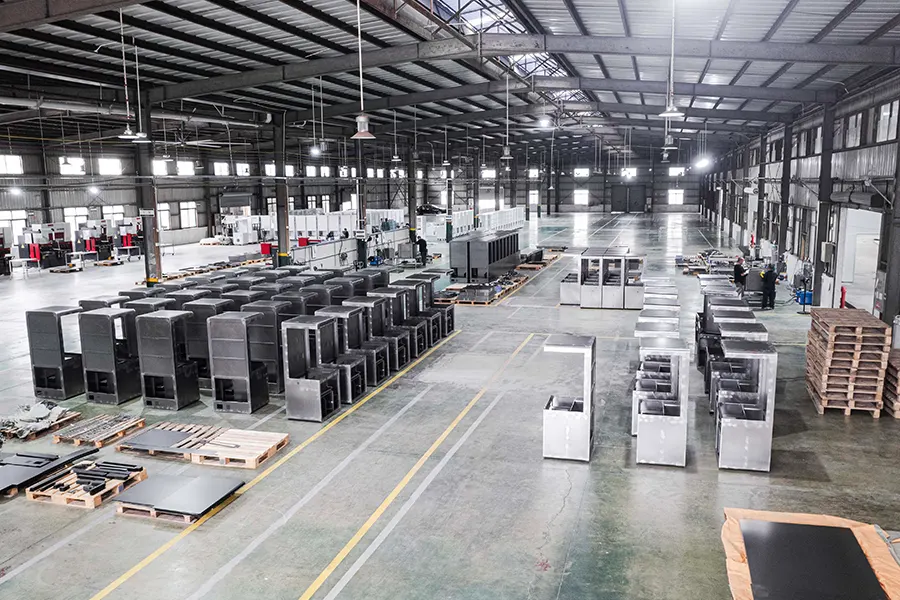
Custom IP-Rated Enclosures by SHIJIE
SHIJIE engineers custom IP55 and IP67 enclosures, tailoring materials and seals to protect critical electronics against everything from low-pressure jets to full water immersion.
Design and Material Customization
SHIJIE tailors exact enclosure размеры, mounting configurations, and core materials—ranging from structural metal to impact-resistant polycarbonate—to meet specific electronic protection requirements. Engineering teams build fully compliant IP55 and IP67 units by integrating targeted ventilation, custom gaskets, and advanced sealing technology directly into the architecture.
Industry-Specific IP55 and IP67 Solutions
Telecom networks and commercial facilities rely on SHIJIE IP55 jet-resistant panels to block airborne dust and handle direct low-pressure water exposure. For extreme environments, marine operations and flood-prone outdoor industrial sites deploy SHIJIE IP67 sealed immersion housings. These specialized units survive complete dust exposure and a full meter of water submersion without component failure.
Frequently Asked Questions
Can IP55 be used outdoors?
IP55 falls short for most outdoor applications because it cannot handle water splashing or submersion. It blocks dust and low-pressure water jets, making it suitable for damp indoor spaces like kitchens or bathrooms. If your equipment faces real outdoor weather, upgrade to IP65 or IP67 to ensure proper protection.
Is IP67 better than IP55 for moisture?
Yes, IP67 delivers far superior moisture protection. IP55 only resists low-pressure water jets from specific directions. In contrast, IP67 survives complete immersion in up to 1 meter of water for 30 minutes. You need IP67 for extreme moisture, heavy storms, or any scenario carrying a submersion risk.
What is the cost difference between IP55 and IP67?
Expect to pay a 15% to 25% premium for IP67 enclosures compared to their IP55 counterparts. Manufacturers build IP67 units with advanced sealing materials, tighter gaskets, and more complex fabrication methods to guarantee an airtight and watertight seal. The mandatory laboratory certification for IP67, which involves rigorous submersion testing, also drives up the final price.
Does IP55 protect against dust?
IP55 offers limited dust resistance, but it is not entirely dust-tight. The first digit “5” means the enclosure blocks enough dust to keep your equipment running, even though small particles might still get inside. If your environment requires an absolute, dust-tight seal, you must specify an IP65 or IP67 rating.
Is IP67 overkill for vending machines?
Yes, IP67 goes way beyond what standard vending machines actually need. Most indoor and semi-outdoor vending environments only require defense against ambient dust and the occasional low-pressure water jet during routine cleaning. An IP55 or IP65 enclosure handles these conditions perfectly. You only need IP67 if you place the machine in a flood-prone area where standing water poses a direct threat.
How can I upgrade an IP55 enclosure to a higher protection rating?
You cannot officially upgrade a field-deployed IP55 enclosure to a higher IP rating, since official ratings require strict laboratory certification. You can boost its real-world durability by installing IP-rated cable glands, retrofitting tighter gasket kits, adding external drip shields, or mounting the entire IP55 unit inside a heavier-duty external box. If your project specifically demands certified IP67 protection, your only option is to replace the unit entirely.
Final Thoughts
Specifying the right enclosure rating directly dictates your project’s long-term profitability and hardware survival. While IP55 models keep initial costs low for standard indoor applications, IP67 stands as the mandatory baseline to prevent catastrophic failure in marine or flood-prone zones. Paying the upfront premium for complete immersion protection eliminates emergency replacements and secures your operational budget against unpredictable environmental hazards.
Do not leave your critical electronics vulnerable to inadequate sealing or unverified field performance. We recommend evaluating your exact site conditions and consulting our engineering team to design a custom SHIJIE enclosure. Contact us to discuss your material specifications and request a prototype built specifically for your harshest operational environment.
For a broader understanding of the full IP rating system, explore our complete guide to waterproof IP ratings.