Incorrect NEMA 4 vs 4X specifications during project procurement can lead to unnecessary capital costs or premature field failures. Choosing the wrong rating for aggressive chemical environments compromises internal electronics and spikes long-term maintenance costs.
This guide compares standard enclosures with corrosion-resistant alternatives, focusing on NEMA 250 आवश्यकताएं, salt-spray exposure based on ASTM B117, and the material and lifecycle cost factors that influence enclosure selection.
कोई नहीं है 4 vs 4X Ratings Explained: Understanding the Standards

कोई नहीं है 4 and 4X enclosures provide the same basic protection against water and windblown dust, while NEMA 4X adds a corrosion-resistance requirement.
Shared Ingress Protection and Mechanical Performance Standards
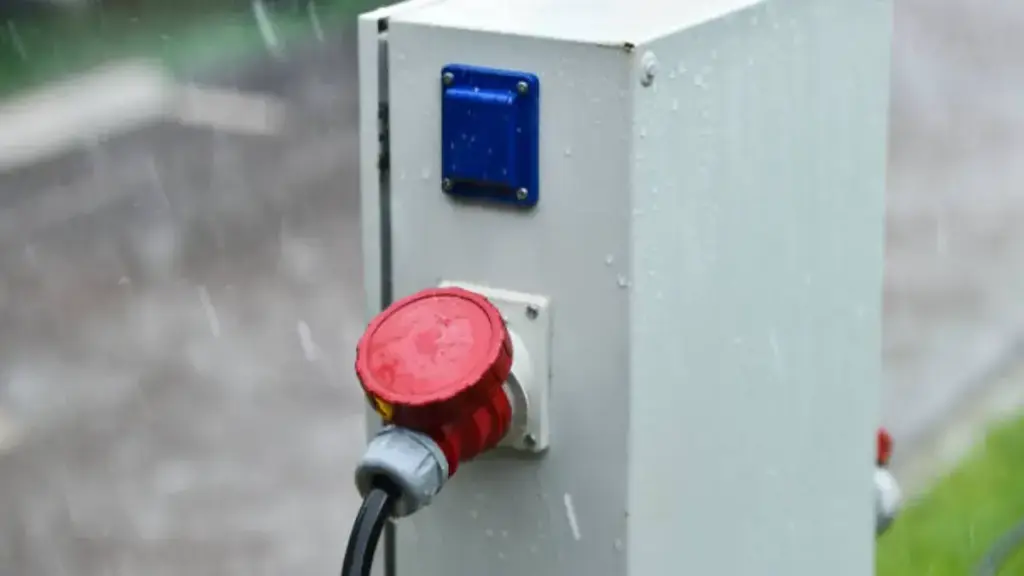
Both Type 4 and Type 4X provide the same basic protection against water and windblown dust. Type 4X adds corrosion protection. If your environment only presents risks from high-pressure water sprays or heavy dust without corrosive elements, both standards perform identically. Understanding the broader range of NEMA enclosure types can also help when comparing protection requirements across applications.
- Ingress Barrier: Identical dust and water exclusion properties protect internal electronics from severe weather and direct sprays.
- Hose-Down Verification: Both ratings must withstand a hose-directed water test using a 1-inch nozzle delivering at least 65 gallons per minute, with the nozzle held about 10 को 12 feet from the enclosure for the specified test duration.
- Mechanical Resilience: Casing designs withstand windblown dust penetration and external ice formation without structural damage.
The Corrosion Resistance Testing and Material Demands of NEMA 4X
The “एक्स” suffix indicates an added level of corrosion protection beyond the Type 4 आवश्यकताएं. Painted carbon steel can become vulnerable when its coating is damaged in corrosive environments, while Type 4X requires additional corrosion protection through the enclosure’s material, finish, and overall design.
- Corrosion Qualification: Type 4X enclosures are subject to additional corrosion-resistance testing under NEMA 250, including salt-spray exposure used to evaluate performance against corrosive environments.
- Common Materials: NEMA 4X enclosures are often made from corrosion-resistant materials such as 304 या 316 स्टेनलेस स्टील, fiberglass-reinforced polyester (FRP), and polycarbonate, although the specific material depends on the enclosure design and application.
- Financial Investment: NEMA 4X enclosures generally cost more than standard NEMA 4 designs because corrosion-resistant materials, finishes, and additional testing can increase manufacturing costs. The actual price difference varies by material, enclosure size, finish, and order volume.
Paying this premium makes sense when the enclosure operates in marine settings, chemical plants, or heavy washdown sanitation zones where replacement labor easily exceeds the initial material cost.
Key Protection Differences Between 4 and 4X
कोई नहीं है 4 and 4X provide identical protection against water, धूल, and ice. Type 4X adds a corrosion-resistance requirement that Type 4 does not have.
| विशेषता | कोई नहीं है 4 Enclosures | NEMA 4X Enclosures |
|---|---|---|
| प्रवेश संरक्षण | धूल से भरा हुआ, rainproof, sleet-resistant | धूल से भरा हुआ, rainproof, sleet-resistant (Identical) |
| Hose-Down Resistance | Withstands 65 GPM high-pressure spray | Withstands 65 GPM high-pressure spray (Identical) |
| संक्षारण प्रतिरोध | Not certified or tested | Additional corrosion-resistance testing required under NEMA 250 |
| Common Materials | Painted carbon steel, अल्युमीनियम | 304/316 स्टेनलेस स्टील, FRP, पॉलीकार्बोनेट |
Identical Ingress and Water Resistance Standards
Engineers may choose 4X assuming the higher price provides stronger water or dust protection. In fact, both ratings provide the same basic protection against water, धूल, and harsh weather; the added requirement for 4X is corrosion resistance.
- Ingress Sealing: Both enclosures block windblown dust, गंध, बारिश, ओले के साथ वर्षा, and snow from entering the housing.
- Washdown Protection: Both designs withstand direct spraying from high-pressure hoses during washdown procedures.
- Ice Management: Both standards prevent internal damage when ice forms on the outer surface.
Corrosion Resistance and Material Specifications
The “एक्स” indicates that the enclosure must meet additional corrosion-resistance requirements. It indicates verified testing against corrosive agents, a qualification standard NEMA 4 units skip.
- कोई नहीं है 4 Vulnerabilities: These housings often use painted carbon steel. When field tools or environmental impacts chip the coating, the exposed steel rusts.
- NEMA 4X Materials: Common choices include 304 या 316 स्टेनलेस स्टील, fiberglass-reinforced polyester, polycarbonate, and other corrosion-resistant materials. The appropriate material depends on the enclosure design and the chemicals or environmental conditions involved.
- Industrial Targets: Wastewater plants, marine ports, and chemical facilities rely on NEMA 4X to resist salt air, acidic fumes, and corrosive cleaning agents.
Heavy-Duty Industrial Enclosures Built to Last
Comparing NEMA 4 vs 4X: Enclosure Material Choices
NEMA 4X differs from NEMA 4 by adding requirements for corrosion resistance in addition to the Type 4 environmental protection. The right choice depends on the environment and the materials best suited to it.
Enclosure Material Profiles for Standard and Corrosive Settings
Standard washdown areas and mild outdoor environments may not require premium corrosion-resistant materials. When you step up to chemical processing or coastal marine air, you must swap basic coated steels for materials that intrinsically resist environmental degradation.
- Painted Carbon Steel and Aluminum: These are among the common sheet metal materials used for standard NEMA 4 बाड़ों. They perform reliably in dry, non-corrosive indoor spaces or mild outdoor weather but rely entirely on paint integrity to prevent rust.
- स्टेनलेस स्टील (ग्रेड 304 और 316): When comparing carbon steel vs stainless steel, stainless steel is often preferred for applications where corrosion resistance is a higher priority. श्रेणी 304 is widely used for general corrosion-resistant applications, जबकि 316 stainless steel provides better resistance to chloride-rich and marine environments where pitting is a greater concern. Chemical compatibility should still be checked against the specific cleaning agents or process chemicals involved.
- Non-Metallic Composites (FRP and Polycarbonate): Fiberglass-reinforced polyester and industrial polycarbonate offer lightweight, non-conductive alternatives. They bypass metallic corrosion entirely, making them ideal for wastewater headworks and acidic environments.
Long-Term Cost, Weight, and Performance Trade-Offs
Specifying NEMA 4X over NEMA 4 requires balancing higher initial capital expenditure against long-term maintenance overhead. Over-specifying drains your upfront budget, while under-specifying in corrosive zones guarantees field failures.
- Cost Considerations: Type 4X enclosures typically cost more than Type 4 models because of their corrosion-resistant materials, finishes, and testing requirements. The premium can vary significantly depending on the enclosure material, size, configuration, and production volume.
- Structural Weight: While stainless steel units are heavy and require heavy-duty mounting, FRP and polycarbonate materials cut structural weight significantly. These non-metallic options simplify wall-mount installation without degrading protection.
- Total Cost of Ownership: Deploying NEMA 4X in aggressive environments lowers your lifecycle costs. By avoiding repetitive painting, surface maintenance, and premature enclosure replacements, you quickly offset the initial purchase premium.
कोई नहीं है 4 vs 4X Applications: When to Use 4X Protection

कोई नहीं है 4 and 4X provide the same basic protection against dust and water ingress. The deciding factor for 4X is whether the enclosure also needs additional protection against corrosion from salt, रसायन, or aggressive washdown conditions.
Applications Where Standard NEMA 4 Protection Suffices
Standard NEMA 4 enclosures offer reliable sealing against water and windblown dirt without the added expense of specialized alloys. Selecting this rating saves capital when environmental chemistry is benign.
- General Indoor Industrial Spaces: Wet or dusty assembly lines and processing floors that lack airborne chemical agents or heavy salt concentrations.
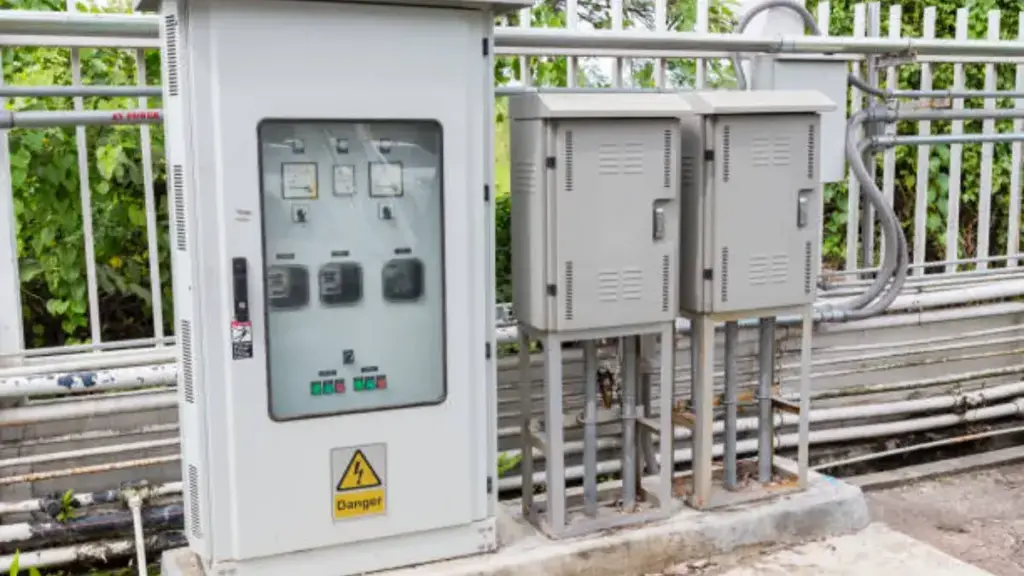
- Inland Outdoor Settings: Custom outdoor electrical cabinets, including utility cabinets, HVAC units, and pump controls, exposed strictly to standard weather, बारिश, and windblown dirt.
- Dry Food Processing Zones: Packaging and baking areas where equipment washdown relies on low-pressure water and mild, non-corrosive detergents.
- Budget-Constrained Large Systems: High-volume enclosure deployments where initial capital expenditure must stay low and long-term rust risk is minimal.
In these environments, the added corrosion resistance of stainless steel may provide little practical benefit compared with a properly selected Type 4 दीवार.
Corrosive Environments Requiring NEMA 4X Upgrades
Standard coatings eventually fail when exposed to harsh chemicals or coastal salt. NEMA 4X specifies materials like 304 या 316 stainless steel and fiberglass-reinforced polyester to survive aggressive environments.
- Sanitary Washdown Wet Zones: खाना, beverage, and dairy processing lines subjected to daily clean-in-place sanitizers and caustic cleaning solutions.
- Coastal and Marine Installations: Docks, shipboard controls, and oceanfront terminals exposed to relentless salt spray and salt-laden air.
- Wastewater Treatment Facilities: Headworks, clarifiers, and chemical dosing areas exposed to highly corrosive hydrogen sulfide, chlorine, and acidic vapors.
- Chemical and Pulp Processors: Areas adjacent to mixing reactors, bleaching tanks, and emissions scrubbers where corrosive fumes are constant.
- High-Criticality Operations: Applications where preventing downtime and avoiding frequent enclosure replacement justifies the higher upfront material cost.
In these environments, an enclosure with insufficient corrosion protection may experience coating degradation, corroded hardware, and a higher risk of water ingress over time. Using 4X protects internal electronics and lowers overall lifecycle costs.
कोई नहीं है 4 vs 4X: How to Choose the Right Rating

NEMA 4X builds on the ingress protection of Type 4 by adding corrosion-resistance requirements. The right choice depends on the enclosure’s exposure to salt, रसायन, and aggressive washdown conditions, as well as the expected service life and project budget.
Assess Environmental Corrosion and Washdown Factors
Selecting the right enclosure starts with mapping your operating environment. While both ratings offer identical protection against heavy water spray and dust, corrosive chemical exposure can make Type 4X a more appropriate choice.
- Salt Exposure: Coastal and marine installations require careful consideration of salt spray, airborne chlorides, and the risk of corrosion to exposed enclosure surfaces.
- Sanitation Hazards: खाना, dairy, and pharmaceutical zones constantly run high-pressure hot water washdowns mixed with harsh chemical sanitizers and acidic cleaners.
- NEMA 4X Environments: Regular exposure to corrosive chemicals, नमक का स्प्रे, airborne chlorides, or other conditions that can accelerate corrosion may call for Type 4X protection.
- कोई नहीं है 4 Environments: Locations exposed to rain, हवा में उड़ती धूल, and water spray, but without significant corrosion risks, can generally use standard Type 4 सुरक्षा.
Applying NEMA 4X where standard NEMA 4 suffices wastes capital, but underspecifying the enclosure in a corrosive environment can accelerate coating degradation and corrosion, increasing maintenance needs and the risk of eventual enclosure failure.
Calculate Material Cost and Expected Equipment Lifecycle
Enclosure longevity directly dictates your long-term project margins. You must balance the upfront material cost against the physical threats of your specific B2B plant floor.
- Upfront Premium: Type 4X enclosures generally cost more than basic Type 4 designs because corrosion-resistant materials, finishes, and testing requirements can increase manufacturing costs. The actual premium varies by material, size, configuration, and production volume.
- Stainless Steel Grades: 316 stainless steel is often preferred for chloride-rich and marine environments, जबकि 304 stainless steel is commonly used for general corrosion-resistant applications.
- Non-Metallic Options: Fiberglass-reinforced polyester (FRP) and polycarbonate provide lightweight, non-conductive alternatives for applications where chemical and corrosion resistance are important. Specific chemical compatibility should be checked before selection.
- Total Cost of Ownership: In corrosive environments, the higher initial cost of Type 4X can be offset over time by lower maintenance requirements and a longer enclosure service life.
We analyze the total lifecycle cost before buying. Spending more upfront on stainless steel or composite finishes routinely prevents expensive emergency downtime and premature enclosure replacement later.
Custom Enclosure Manufacturing for NEMA-Rated Applications
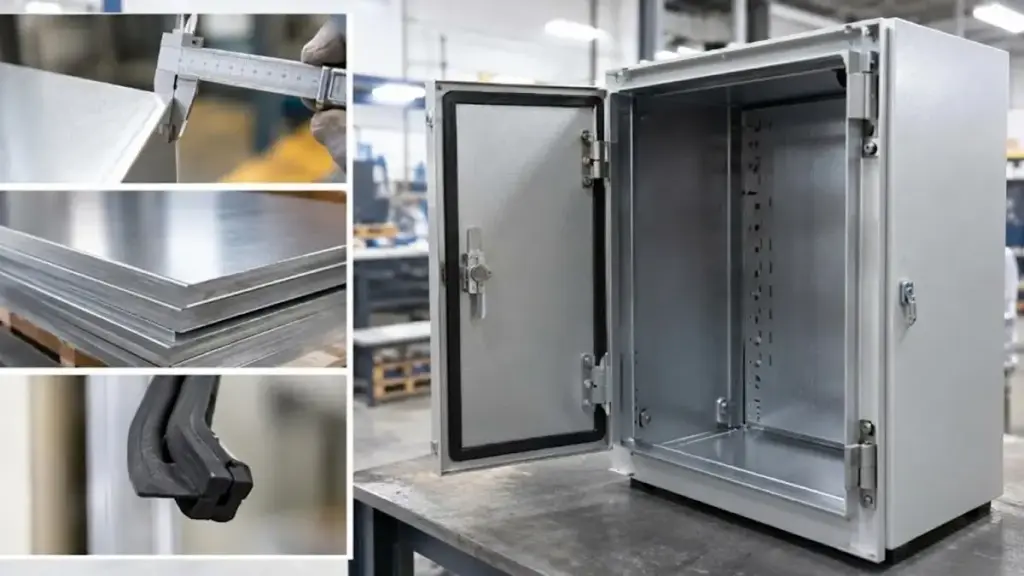
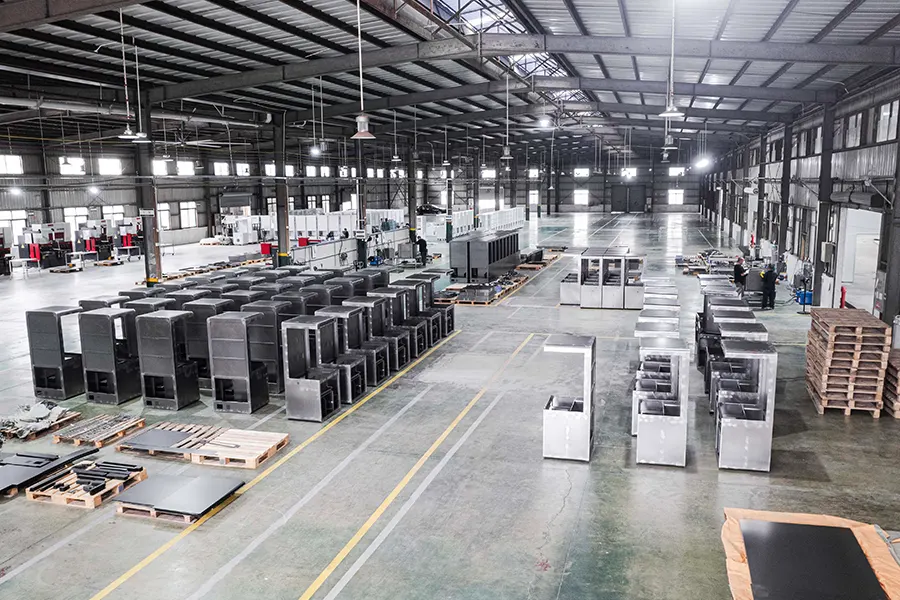
Choosing the right NEMA rating is only part of the enclosure decision. The manufacturer also needs to deliver the right material, construction, finish, and configuration for the application. शिजी संलग्नक combines large-scale sheet metal production with flexible customization for equipment manufacturers, system integrators, and project buyers. हमारा 130,000 m² manufacturing facility supports production at scale while maintaining flexibility for custom projects, including rapid prototyping and small-batch validation. With CNC laser cutting, मुद्रांकन, झुकने, वेल्डिंग, and surface finishing handled across one manufacturing chain, we can support enclosures in कार्बन स्टील, स्टेनलेस स्टील, और अल्युमीनियम with application-specific configurations. SHIJIE also provides control-system and IoT integration capabilities for projects that require more than a fabricated enclosure. This combination of manufacturing capacity, अनुकूलन, and integrated delivery helps B2B customers reduce supplier coordination, shorten development cycles, and maintain consistent production quality.
अक्सर पूछे जाने वाले प्रश्नों
Is NEMA 4X better than NEMA 4?
NEMA 4X is generally the better choice when corrosion is a significant concern because it adds corrosion-resistance requirements to the Type 4 सुरक्षा. For non-corrosive environments, NEMA 4X is not functionally superior; both ratings offer the same level of protection against dust, बारिश, and hose-directed water. In those mild environments, कोई नहीं है 4 is usually the more cost-effective choice.
What is the difference between NEMA 4 and NEMA 4X?
The main distinction is corrosion protection. Both ratings provide the same basic protection against dust, बारिश, and hose-directed water, while Type 4X adds requirements for resistance to corrosive conditions. Type 4X must meet additional corrosion-resistance requirements under NEMA 250, including the applicable salt-spray testing used to evaluate corrosion performance. This requirement means manufacturers construct NEMA 4X enclosures from materials like stainless steel, fiberglass, or polycarbonate, whereas they typically make NEMA 4 enclosures from painted carbon steel.
Can NEMA 4X be used outdoors?
हाँ. NEMA 4X enclosures are designed for outdoor use and protect internal equipment from rain, ओले के साथ वर्षा, बर्फ, हवा में उड़ती धूल, splashing water, और बाहरी बर्फ का निर्माण. Their added corrosion protection also makes them a good choice for harsh outdoor environments, including coastal areas, wastewater facilities, और रासायनिक संयंत्र.
Does NEMA 4X prevent corrosion?
NEMA 4X provides an added level of corrosion protection, but it does not make an enclosure immune to every chemical or corrosive environment. Type 4X enclosures must meet additional corrosion-resistance requirements under NEMA 250, including standardized salt-spray testing used to evaluate their performance in corrosive conditions.
What material is used for NEMA 4X enclosures?
Manufacturers build NEMA 4X enclosures from naturally corrosion-resistant materials like 304 या 316 स्टेनलेस स्टील, fiberglass-reinforced polyester (FRP), polycarbonate, and ABS plastic. They can also use carbon steel or aluminum if they apply specialized, corrosion-tested powder coatings.
When should I choose NEMA 4X?
Select NEMA 4X when your application involves salt spray, संक्षारक रसायन, or washdown conditions that can accelerate corrosion, such as those found in marine, wastewater, रासायनिक, and some food processing facilities. If you only need protection from dust and rain in a non-corrosive environment, standard NEMA 4 may provide sufficient protection while keeping upfront costs lower.
अंतिम विचार
While painted carbon steel enclosures offer lower upfront costs, specifying certified NEMA 4X stainless steel or composite protection is the only way to safeguard your systems against premature corrosion and expensive field downtime. Matching the exact material footprint to your environmental chemistry prevents costly over-specification on benign sites while fully protecting high-risk zones. Your project margins and brand reputation depend on making this precise engineering distinction before hardware deployment.
Do not guess on material durability when critical electronics are on the line. We recommend reviewing our complete enclosure catalog or requesting a material sample to test our finishes against your specific site chemicals. Contact our technical team today to discuss custom OEM modifications and secure volume pricing for your upcoming project.