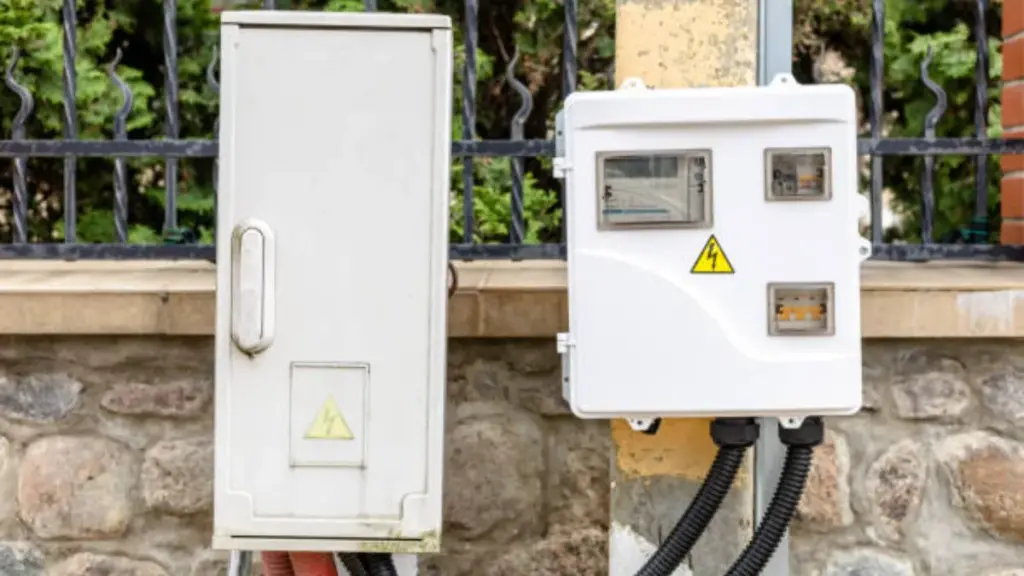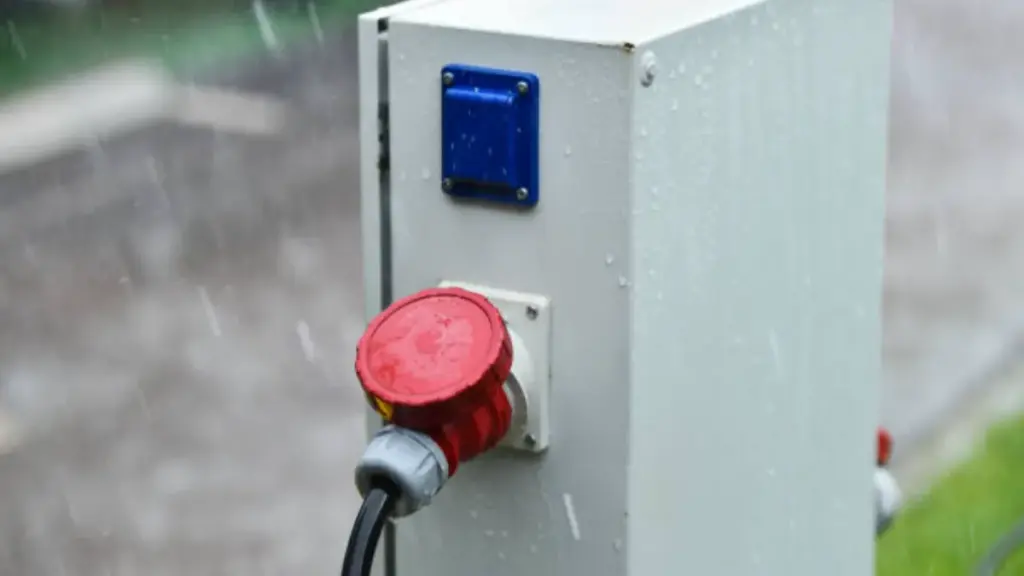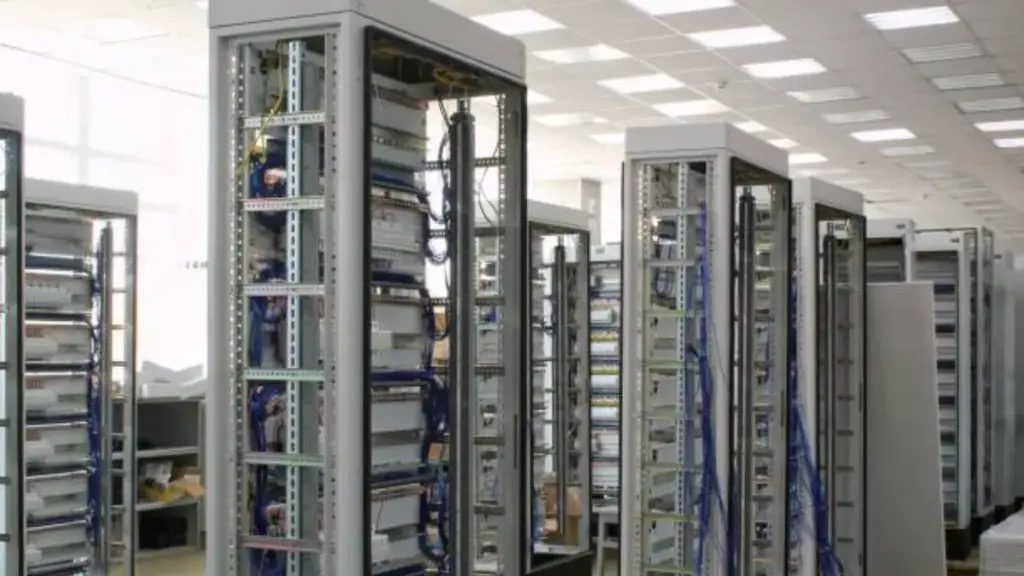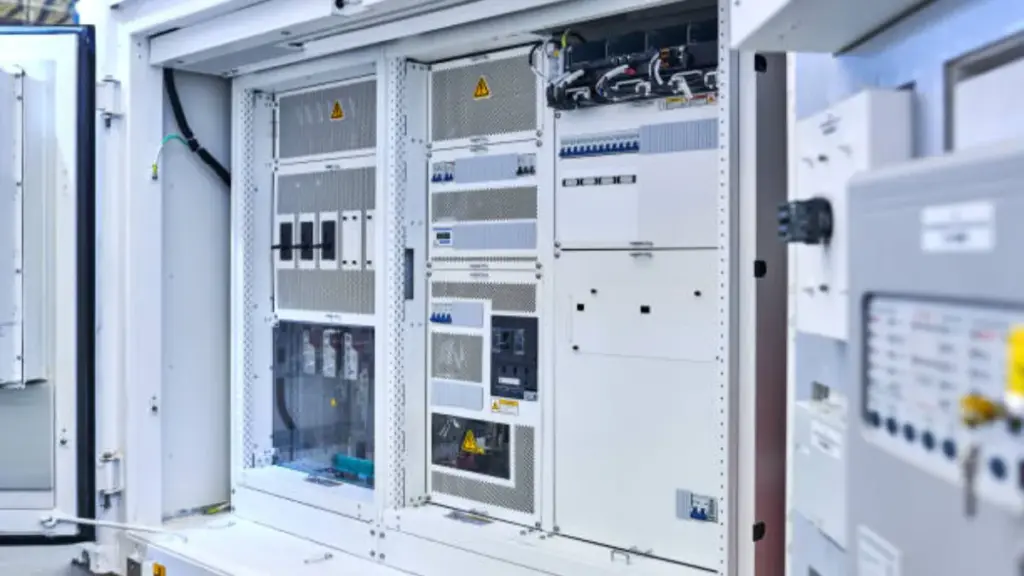
NEMA is a U.S. standards organization, and in everyday engineering and purchasing conversations, it commonly refers to NEMA enclosure types or ratings (such as 3R, 4, 4X, 12, 13) used to match an enclosure to environmental hazards. Choosing the right NEMA Type helps reduce failures caused by water, dust, oils/coolants, والتآكل, especially for machines and cabinets deployed across multiple climates and maintenance conditions.
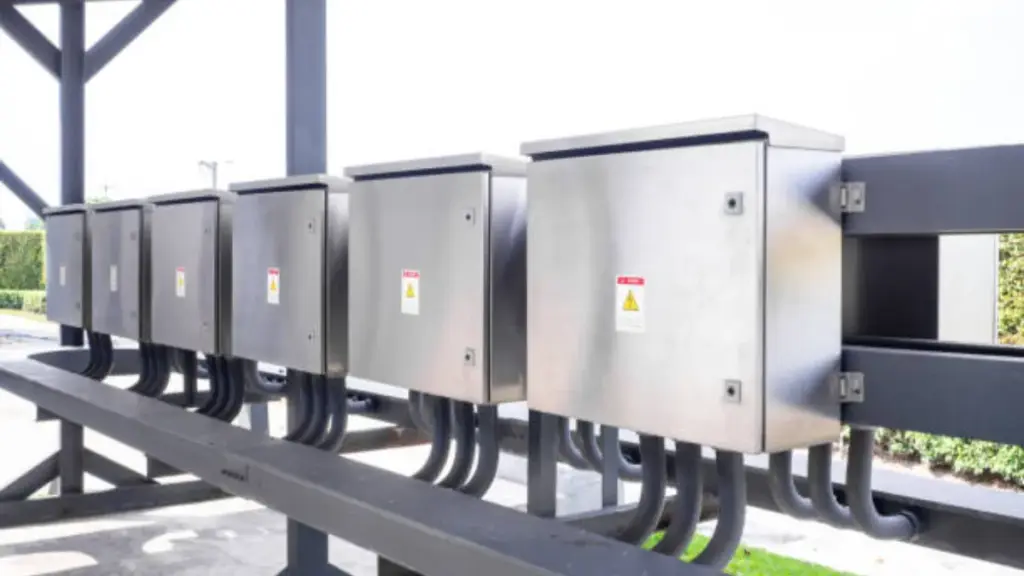
What Is NEMA in Electrical Standards?
What does NEMA stand for? NEMA is short for the National Electrical Manufacturers Association (a U.S. industry association associated with electrical standards).
In equipment specifications, “NEMA” often means the enclosure Type/rating (for example, NEMA 3R, 4, 4X, 12, 13) that aligns an enclosure with environmental exposure such as rain, hose-directed water, dust, oil/coolant, and corrosive conditions. This is why many NEMA questions quickly become selection questions, because the Type affects enclosure construction details such as sealing approach, gasketing strategy, hardware choices, and corrosion protection.
Why NEMA Ratings Matter for Enclosures
A NEMA Type is a practical risk-control choice: the enclosure is the barrier between electrical components and real-world exposure—cleaning, weather, airborne debris, and routine human contact. If the Type is underspecified, common problems include moisture intrusion, dust buildup, accelerated corrosion, and intermittent faults that seem “random” but are actually environment-driven.
NEMA ratings also make protection requirements concrete and comparable. Instead of relying on vague descriptions like “outdoor, occasionally washed, near salt air,” a defined Type translates those conditions into a clear protection target—helping engineers, installers, and maintenance teams choose an enclosure design that holds up over time.
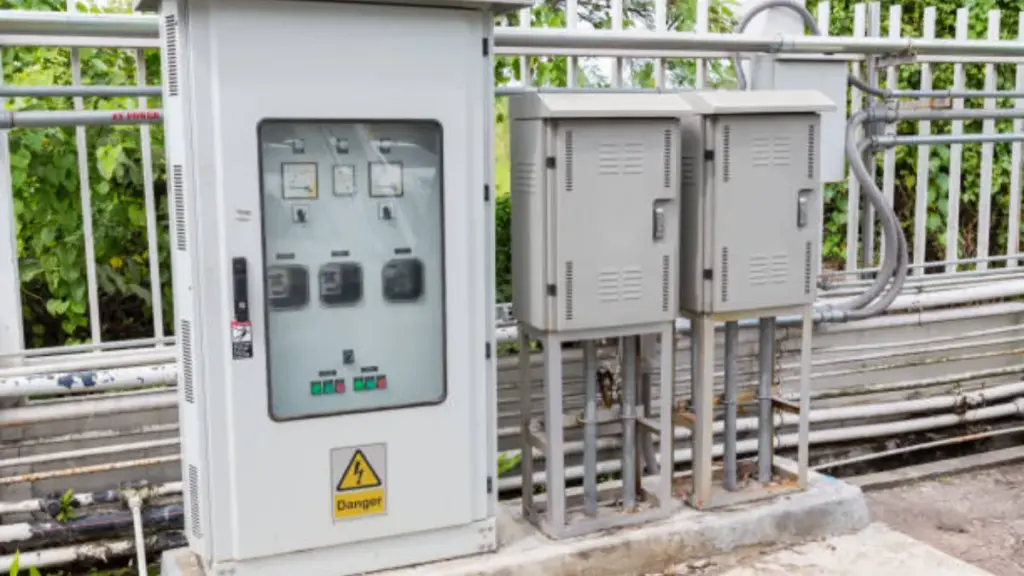
NEMA Ratings Explained: 1, 3R, 4, 4X, 12, 13
The Types below cover many commercial and industrial builds, including vending equipment, arcade/game machines, smart lockers, appliance housings, and energy-storage cabinets. Requirements still depend on the final installation environment and how the equipment is maintained.
| NEMA Type | Typical environment | What it helps protect against | Common examples | Notes that affect enclosure design |
|---|---|---|---|---|
| NEMA 1 | Indoor, general-purpose | Basic protection (general-purpose indoor use) | Indoor electrical panels, controlled rooms | Often selected for cost; confirm dust and drip exposure |
| NEMA 3R | Outdoor, rain/sleet exposure | Weather protection for outdoor conditions like rain/sleet | Outdoor equipment under eaves, covered service areas | Common confusion: outdoor ≠ hose-down; clarify cleaning method |
| NEMA 4 | Indoor/outdoor, wet areas | Protection against windblown dust and hose-directed water | Outdoor kiosks, wet process zones | Seal design, hinge/latch compression, and cable entry planning are critical |
| NEMA 4X | Corrosive indoor/outdoor | NEMA 4-style water protection plus corrosion-resistance expectations | Coastal installations, chemical-adjacent areas | Corrosion strategy includes material, coating system, and hardware choices |
| NEMA 12 | Indoor, industrial | Protection from dust, dirt, and dripping non-corrosive liquids | Factory automation, packaging lines | Very common for manufacturing floors; define oil/coolant presence |
| NEMA 13 | Indoor, oil/coolant exposure | Protection for environments with oil and coolant seepage/spray | Machining centers, CNC areas | Gasket selection and door sealing geometry must suit oils/coolants |
Practical selection reminders:
- A “higher number” is not automatically “better”; each Type targets different hazards and use cases.
- Outdoor exposure and washdown cleaning are different; confirm whether hose-directed water is expected.
- Corrosion resistance is a system outcome (material + طلاء + hardware + design), not only a label.
How to Choose a NEMA Rating
Use this decision checklist to match real-world exposure to the right NEMA Type.
- Step 1 — Confirm indoor or outdoor.
Indoor (controlled) often starts around NEMA 1; indoor industrial areas commonly point toward NEMA 12/13; outdoor installations typically start at NEMA 3R and may require NEMA 4/4X depending on water exposure. - Step 2 — Define the water scenario (most important).
Light dripping/condensation is different from rain, and rain is different from hose-directed water. If the enclosure will be cleaned with a hose or must resist driven water, NEMA 4 (or 4X when corrosion is also a concern) is usually the direction to evaluate. - Step 3 — Identify dust and debris levels.
Warehouses, factories, and machining areas can load enclosures with dust, fibers, or chips. In many indoor industrial environments, NEMA 12 is a common baseline to consider. - Step 4 — Check for oil or coolant exposure.
If the enclosure is near machining, cutting fluids, or oil mist, prioritize Types intended for those conditions (often leading toward NEMA 13 rather than general industrial assumptions). - Step 5 — Evaluate corrosion risk.
Coastal air, chemicals, and aggressive cleaning agents can accelerate corrosion. If corrosion is a real driver, NEMA 4X is often the rating category people specify, but the enclosure’s material/finish and hardware still need to support that goal. - Step 6 — Consider maintenance and door cycles.
Frequent access increases wear on hinges, latches, and gaskets. Choose a Type that fits the environment, then ensure the enclosure design supports repeatable sealing over time. - Step 7 — Sanity-check with “Typical environment”
- Indoor, light duty → NEMA 1
- Outdoor, rain/sleet (no hose wash) → NEMA 3R
- Indoor/outdoor with hose-directed water → NEMA 4
- Wet + corrosive environment → NEMA 4X
- Indoor industrial dust/drips → NEMA 12
- Indoor oil/coolant exposure → NEMA 13
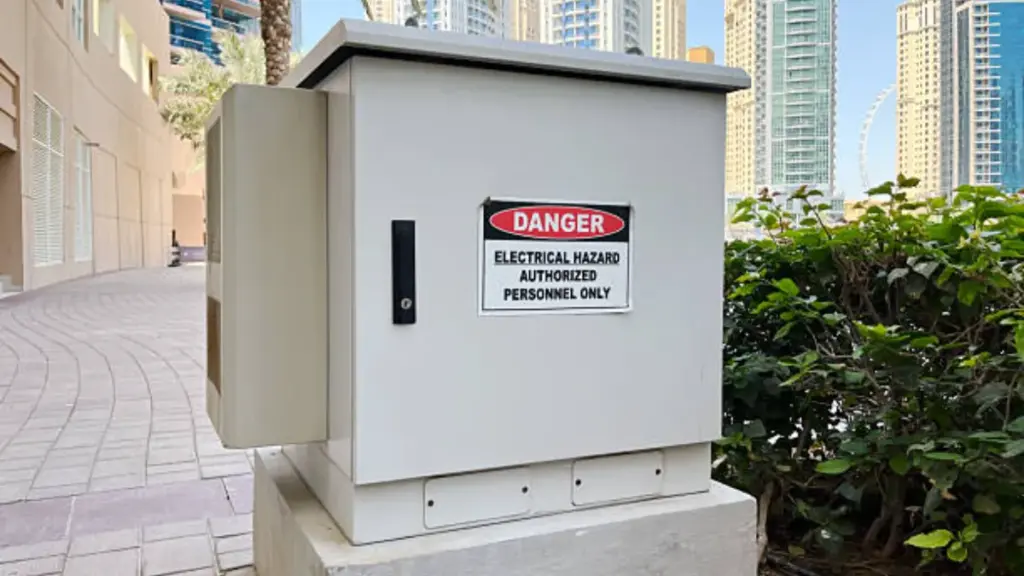
NEMA vs IP Ratings: Key Differences
NEMA and IP ratings are both used to communicate protection performance, but they are not identical systems and should not be treated as a simple one-to-one conversion. IP ratings (IEC-style) focus on ingress protection for solids and liquids, while NEMA enclosure Types are specified in a way that can incorporate broader application expectations depending on the Type and how it is applied.
| Aspect | NEMA (Enclosure Types) | IP (Ingress Protection) |
|---|---|---|
| What it is | Enclosure “Type” system commonly used in North American specs. | IEC-style ingress code for solids and liquids. |
| Main focus | Application-oriented enclosure performance expectations by Type. | Ingress protection against dust/solid objects and water. |
| How it’s written | NEMA 3R, NEMA 4, NEMA 4X, NEMA 12, etc. | IP54, IP65, IP66, etc. |
| Typical selection question | “Will this enclosure survive rain, washdown, oil/coolant, corrosion?” | “What level of dust-tightness and water-jet protection is required?” |
| Conversion approach | Avoid assuming direct one-to-one equivalence; confirm real hazards and cleaning methods first. | |
| Common mistake | Treating a “close” match as guaranteed equivalent without checking exposure details (washdown type, chemicals, corrosion risk). | |
Common Applications and Examples by Industry
Vending machine traders and brands
- Outdoor deployments (street, transit, campus): weather exposure, sunlight, vandal resistance, and cleaning practices drive enclosure construction.
- Indoor deployments (malls, offices, hospitals): spill resistance and serviceability matter; access panels and cable routing should support quick maintenance.
- Coastal cities: corrosion planning should be explicit for carbon steel builds (coating system, edge coverage, hardware selection).
Claw machines, arcade machines, and game machine brands
- High-traffic indoor environments: frequent user contact and constant operation can loosen fasteners and stress doors; hinge and latch robustness affects long-term reliability.
- Aesthetics and branding: carbon steel + powder coating supports color control; consistent surface finish improves perceived product quality.
- Service access: frequent maintenance favors modular internal mounting plates and repeatable alignment.
Project-based خزائن (amusement parks, delivery lockers, schools, libraries)
- Outdoor parcel/food lockers: rain, dust, and public exposure; door cycles are frequent, so gasket compression consistency and hinge wear become real-life issues.
- Indoor lockers: prioritize safety edges, smooth surfaces, noise control, and durable coatings; include provisions for electronics, wiring channels, and secure compartments.
- Smart lockers: cable routing, mounting bosses, and thermal considerations should be built into the enclosure early.
Appliance and electrical product companies needing housings
- Condensation and vibration: even indoor products can face humidity cycles; drainage strategy, seam design, and coating durability affect lifetime.
- Assembly yield: stable dimensional control (flatness, hole position accuracy) reduces rework and speeds production.
Energy storage projects needing cabinets
- Thermal management, access control, grounding, and safe cable entry are as important as environmental sealing.
- Field maintenance planning (filters, fans, inspection panels) reduces lifecycle cost and downtime.
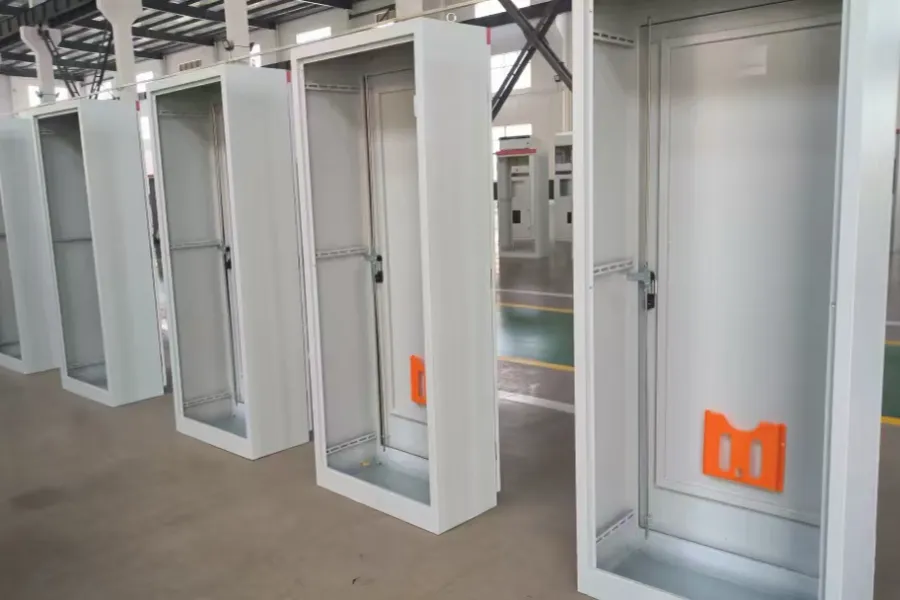
Why Choose SHIJIE Sheet Metal Enclosures
SHIJIE manufactures sheet metal enclosures and supports projects that need consistent fabrication, fast iteration, and scalable production. The process is designed for customers who require custom enclosure design and manufacturing support from early concept through delivery—especially for vending equipment, arcade machines, smart lockers, appliance housings, and energy-storage cabinets.
Core advantages:
- Customized service: Sheet metal enclosure design and fabrication based on functional requirements such as sealing approach, mounting layout, cable entry, and manufacturability.
- Build-to-print / build-to-sample: Prototyping and production based on customer drawings or physical samples, supporting engineering verification before mass production.
- Fast response: Efficient production management and supply chain coordination to shorten lead time and improve on-time delivery performance.
- Sampling support: Dedicated design and technical capability to convert ideas into prototypes and refine details for reliable production.
For enclosure projects that require a clear protection target and reliable carbon steel manufacturing execution, visit https://sjenclosure.com/ and share drawings, samples, target markets, and installation environment details.