>

Which is Better for Your Metal Enclosures Between Carbon Steel vs Stainless Steel?

Which is Better for Your Metal Enclosures Between Carbon Steel vs Stainless Steel?

Share:

Table of Contents

Conducting a Carbon Steel vs Stainless Steel (Comparison) dictates your long-term maintenance liabilities and upfront capital expenditure. Defaulting to the cheaper initial metal frequently triggers unexpected failure rates in corrosive environments, wiping out your upfront cost savings through rapid oxidation and forced component replacements.

This analysis evaluates raw material performance against a 25-year total cost of ownership lifecycle. We contrast the 36 percent specific strength advantage of chromium alloys and compare annual upkeep metrics to help you specify the exact sheet metal that protects your operational budget.

Basic Material Composition: Carbon vs. Alloy

Carbon steel relies on raw carbon for physical strength, while stainless steel blends chromium to create a self-healing oxide layer that actively blocks corrosion.

Carbon Steel Primary Elements

Iron acts as the foundation for this material. Steelmakers adjust carbon levels strictly between 0.05% 그리고 2.1% to define the exact strength and physical behavior of the final metal.

Manufacturers categorize the steel into low, medium, and high grades based entirely on its carbon volume. Pushing the carbon limits higher deliberately restricts ductility but maximizes the metal’s overall hardness.

The mixture contains only negligible trace amounts of other elements like manganese or silicon. This keeps the material entirely within the low-alloy metal category, meaning it offers zero native rust protection and demands external surface treatments.

Stainless Steel Alloy Composition

Producers alter the metal by blending iron with a minimum of 10.5% chromium by mass. This chromium addition generates a passive oxide layer that actively blocks moisture and prevents rust.

The manufacturing process intentionally keeps carbon levels restricted between 0.03% 그리고 1.2%. This precise control preserves the metal’s natural corrosion resistance and stops unwanted carbide formation.

Foundries inject additional elements like nickel and molybdenum to enhance durability further. These specific chemical recipes yield distinct grades, such as austenitic and ferritic steels, which perform flawlessly in demanding chemical processing and marine applications.

Corrosion Resistance: The Chromium Factor

Chromium transforms steel by forming a self-healing oxide layer. This invisible shield completely stops the rapid oxidation and material loss that destroys standard carbon steel.

How the Passive Chromium Oxide Layer Forms

Chromium inside stainless steel reacts directly with atmospheric oxygen to create a thin, invisible shield across the metal surface. This self-healing barrier actively blocks further chemical reactions. It stops the base iron from oxidizing and turning into porous rust, maintaining the structural integrity of the metal.

Carbon Steel vs. Stainless Steel Durability

Carbon steel lacks the necessary chromium content to defend itself. It degrades rapidly through oxidation and actively loses material when exposed to wet environments. Stainless steel requires at least 10.5% chromium to trigger its passivation ability. This specific composition resists flow-accelerated corrosion effectively, and the dense protective film stays completely intact even under high shear stress conditions where standard carbon steel fails.

Premium Custom Enclosures for Maximum Reliability

Safeguard your critical infrastructure with our high-quality, industrial-grade electrical enclosures built to last. Partner with us for rapid manufacturing, customizable designs, and outstanding long-term ROI.

Request a Custom Quote →

CTA Image

Strength-to-Weight Ratio in Sheet Metal

Stainless steel delivers a 36% specific strength advantage over carbon steel, allowing engineers to cut material weight by up to 50% without sacrificing load-bearing capacity.

Specific Strength Differences

When evaluating sheet metal performance, specific strength determines how efficiently a material supports loads relative to its mass. Stainless steel outperforms carbon steel in this critical metric, providing a 36% overall advantage.

Comparing standard industry grades reveals the exact performance gap:

  • Low Carbon Steel (AISI 1010): Offers a specific strength of 46.4 kN·m/kg.
  • 스테인레스 스틸 (304): Reaches a specific strength of 63.1 kN·m/kg.

Beyond the raw data, these metals respond differently to mechanical stress. Stainless steel lacks a well-defined yield point. It features greater ductility and a high work-hardening capacity, allowing the material to absorb heavy impact before reaching the point of failure.

Material Efficiency and Weight Reduction

Higher specific strength translates directly into leaner, more efficient manufacturing. By specifying stainless steel, manufacturers reduce total material usage by 25-35% while keeping the exact same load-bearing capacity as thicker carbon steel parts.

We see this clearly in structural applications. Engineers routinely replace a 100×100×6 mm carbon steel hollow section with a 3 mm stainless steel section. This straightforward material swap cuts the total component weight by up to 50%.

Long-term environmental exposure also dictates effective weight management. The self-healing chromium oxide layer on stainless steel actively protects the base material from corrosion. This inherent defense ensures the metal maintains its original structural integrity and weight efficiency over its entire service life, eliminating the need for bulky protective coatings.

Surface Finish Options: Powder Coating vs. Brushing

Powder coating adds a highly customizable protective barrier for carbon steel, while brushing gives stainless steel a permanent, low-maintenance texture that lasts decades.

Powder Coating Processes and Durability

Powder coating transforms raw metal into a highly durable and customizable component. The process uses an electrostatic spray to apply a dry pigment and resin layer directly to the substrate. High-heat curing between 160 and 210°C melts the powder into a continuous polymer film.

  • Thickness and Protection: The finish adds 50 to 150μm of material, creating a robust barrier that prevents rust on carbon steel.
  • Lifespan: A well-applied polymer film lasts 10 to 20 years depending on environmental exposure.
  • Design Control: Manufacturers deliver vast color choices and textures ranging from flat matte to high gloss.
  • Vulnerability: Severe impacts or chips expose the base metal, causing rapid corrosion if the underlying material lacks natural rust resistance.

Brushed Finish Performance and Maintenance

Brushing relies on a mechanical approach to alter the metal surface. Abrasive sanding removes 0.1 to 1mm of material to create a linear, satin-like texture. This physical modification changes the visual appearance without affecting the core metal composition.

  • Application Focus: Stainless steel utilizes brushing heavily to produce low-glare, fingerprint-resistant surfaces ideal for sanitary and food-grade environments.
  • Self-Healing Durability: Scratches heal naturally as the chromium oxide layer reforms upon oxygen exposure, sustaining surface protection well past 30 years.
  • Upkeep Expenses: Basic cleaning requires only wiping the metal with mild soap.
  • Lifecycle Value: The permanent physical texture completely eliminates the need for future recoating, keeping long-term maintenance costs extremely low.

Cost Analysis: Initial Investment vs. Lifecycle Cost

Carbon steel saves you money upfront, but stainless steel wins the 25-year race. Lower maintenance and double the lifespan make stainless the smarter financial play for harsh environments.

Metric 탄소강 스테인레스 스틸 (304)
Raw Material Cost $600 – $900 / ton $1,800 – $2,500 / ton
Upfront Premium Baseline (1x) 2.5x to 3x higher
Annual Maintenance 3% – 5% of material value ~1% of material value
Average Lifespan 10 years 25+ years
25-Year TCO 1.5x initial cost 1.1x initial cost

Initial Material and Fabrication Expenses

Buyers often default to carbon steel for its attractive upfront price tag. Stainless steel demands a steep premium right out of the gate because mills must add expensive alloying elements like nickel and chromium.

  • Raw Material Rates: Carbon steel raw material runs $600 to $900 per ton, while 304 stainless steel costs $1,800 to $2,500 per ton due to expensive alloying elements.
  • Labor Savings: Manufacturers spend 22% less time fabricating carbon steel compared to stainless steel.
  • Total Upfront Gap: Factoring in raw materials and fabrication time, stainless steel presents an upfront cost 2.5 to 3 times higher than carbon steel.

Faster fabrication directly lowers labor and installation expenses for carbon steel. Welders and machinists process it quickly, keeping project timelines tight and initial capital expenditures low.

Long-Term Maintenance and Total Cost of Ownership

The financial narrative flips when you stretch the timeline to a decade or more. Carbon steel requires relentless upkeep to fight off rust, while stainless steel quietly maintains its structural integrity.

  • Carbon Steel Burden: Demands annual maintenance equal to 3% to 5% of its material value for painting and coatings, yielding a 10-year average lifespan.
  • Stainless Steel Efficiency: Requires minimal upkeep at roughly 1% annually and often lasts up to 25 years even in corrosive marine or chemical environments.
  • Lifecycle Economics: Over a 25-year lifecycle, stainless steel achieves a much lower total cost of ownership at 1.1 times its initial cost, whereas carbon steel reaches 1.5 times its initial cost.

Over a 25-year lifespan, the expensive stainless option actually protects your profit margins. You spend far less on labor, downtime, and replacement parts compared to a carbon steel system.

Fabrication Challenges: Welding and Bending Differences

Carbon steel offers straightforward fabrication with high strength, while stainless steel requires precise heat management and specialized tools to maintain corrosion resistance.

Welding Carbon vs. 스테인레스 스틸

Carbon steel offers straightforward welding due to its high electrical conductivity. Low-carbon variants weld easily and fit perfectly into high-volume production lines. High-carbon variants introduce brittleness and demand tighter control to avoid joint failure.

Operators preheat carbon steel during resistance welding to achieve adequate heat buildup. This step ensures deep penetration and a structurally sound weld.

Stainless steel demands specialized tools because of its lower thermal conductivity and high chromium content. Welders carefully manage the heat-affected zone in stainless steel. Poor heat control causes sensitization, which strips the material of its critical corrosion resistance.

Bending Strength and Material Flexibility

Carbon steel resists bending and denting well through its higher strength and hardness. Fabricators use its matte finish and magnetic properties to align materials accurately on the press brake.

Temperature dictates carbon steel’s performance on the shop floor. Sub-freezing temperatures increase carbon steel brittleness and cause unexpected cracks during the bending process.

Stainless steel bends readily but requires precise handling. Operators risk work hardening and cracking if they push the metal past its ductility limits without annealing.

Fabrication standards mandate specific bend radii to prevent material failure:

  • Stainless Steel Bend Radius: 1 to 2 times the material thickness.
  • Carbon Steel Bend Radius: 0.5 to 1 times the material thickness.

Industry Use Cases: Vending vs. Chemical Plants

Vending machines rely on cost-effective carbon steel for dry environments, while chemical plants demand stainless steel to survive highly corrosive acids and aggressive cleaning cycles over decades.

Vending Machine Manufacturing

Manufacturers select carbon steel for vending machine cabinets, frames, and coin mechanisms to leverage its high strength and keep production costs low in dry, indoor environments.

Factories apply protective coatings or galvanize the metal to prevent rust from occasional moisture, allowing the structure to support heavy loads without adding excess weight.

Designers rarely specify stainless steel in standard vending units unless a specific high-end beverage dispenser requires a polished, sanitary finish.

Chemical Plant Equipment

Engineers specify stainless steel alloys like 304 or 316 for tanks, pressure vessels, and piping because the self-healing chromium oxide layer effectively resists aggressive acids, alkalis, and brines.

Operations teams rely on stainless steel components to withstand rigorous clean-in-place cycles and handle variable thermal expansion rates.

Facilities still utilize carbon steel options like ASTM A36 for non-corrosive structural supports and dry storage tanks, often pairing them with epoxy or rubber linings to extend their lifecycles.

Over a 25-year operational span in highly corrosive environments, stainless steel yields a lower total cost of ownership despite requiring a 30 to 70 percent higher upfront investment.

Material Sourcing and Traceability at SHIJIE

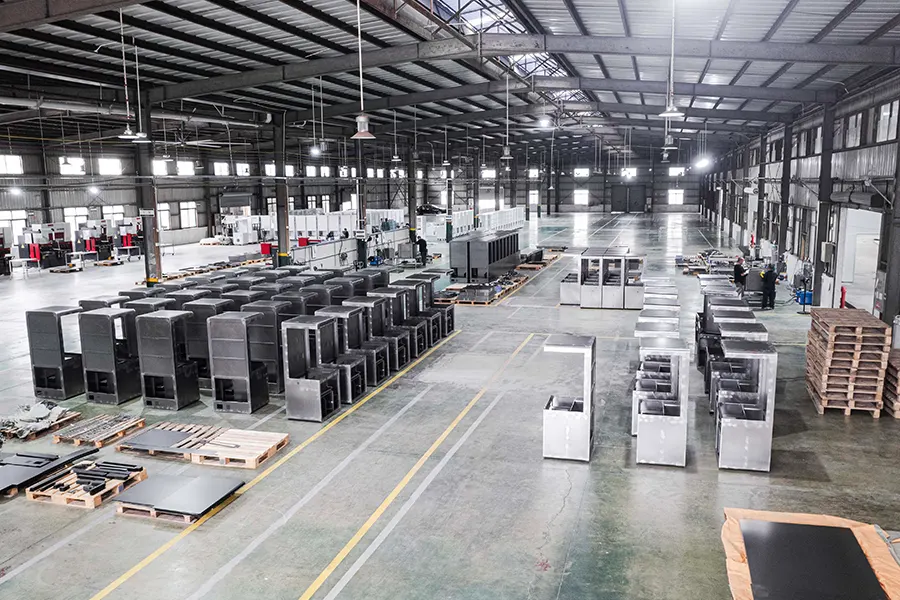
SHIJIE secures over 50,000 tons of steel annually through regional mills, enforcing strict ISO 9001 digital traceability and QR-coded batch tracking for rapid defect recalls.

Steel Sourcing Strategies and Supply Chain

SHIJIE builds its supply chain on regional reliability and material specificity. The procurement team sustains an annual output exceeding 50,000 tons by partnering directly with mills across Shandong and Jiangsu.

  • Bulk Procurement: Sourcing teams secure hot-rolled coils and plates from local mills to guarantee continuous high-volume production.
  • Carbon Steel Focus: The facility prioritizes low-alloy carbon steel to manufacture cost-effective structural components, specifically bearing plates and C/Z sections.
  • Stainless Selection: Buyers source stainless steel strictly from specialized suppliers that meet GB/T 3280 standards for components requiring harsh environmental exposure resistance.

Quality Tracking and Traceability Systems

Accountability dictates the workflow on the production floor. As of 2026, SHIJIE enforces a comprehensive batch tracking protocol to eliminate ambiguity in material origins.

  • Batch Tracking: Operators use mill test certificates and QR-coded plates to link material heat numbers directly to origin suppliers.
  • Material Verification: Quality control personnel verify stainless steel ferrite content using positive material identification (PMI) and mandate 3.1 or 3.2 EN10204 certification.
  • Defect Response: Digital tracking platforms align tightly with ISO 9001 standards, enabling the company to execute targeted defect recalls within 24 to 48 시간.

These integrated systems protect wholesale buyer margins by actively preventing out-of-spec materials from reaching the final assembly phase.

Frequently Asked Questions

Is stainless steel stronger than carbon steel?

Carbon steel generally has higher yield strength, meaning it resists bending and deformation under heavy loads better than stainless steel. It maintains its shape almost to the breaking point before snapping. 스테인레스 스틸, while having a lower yield strength, is harder and far more ductile. Its ability to work-harden allows it to absorb significant impact and bend without fracturing.

Why use carbon steel for enclosures?

Carbon steel is an excellent choice for enclosures in dry, indoor environments because of its high yield strength, rigidity, and lower upfront cost. It is also easier to weld, machine, and form compared to stainless steel. While it needs a protective finish like paint or powder coating to prevent rust, it provides cost-effective performance for heavy mechanical loads where moisture and corrosive chemicals are absent.

Does stainless steel rust in outdoor environments?

Stainless steel resists rust outdoors very well because its chromium content forms a protective oxide layer, but it is not completely immune. Exposure to chlorides from saltwater or pool chemicals, embedded iron particles, or mechanical scratches can break this protective layer down. For harsh marine or coastal environments, upgrading to marine-grade 316 stainless steel and washing it regularly with fresh water prevents pitting and corrosion.

What is the price difference between carbon steel and stainless steel?

Stainless steel costs significantly more than carbon steel, typically running two to five times higher in price as of early 2026. This steep price premium comes from expensive alloying elements like nickel and chromium, which provide the corrosion resistance, as well as more energy-intensive production processes. Carbon steel prices remain lower and much more stable across global markets.

Which is better for electrical cabinets: carbon steel or stainless steel?

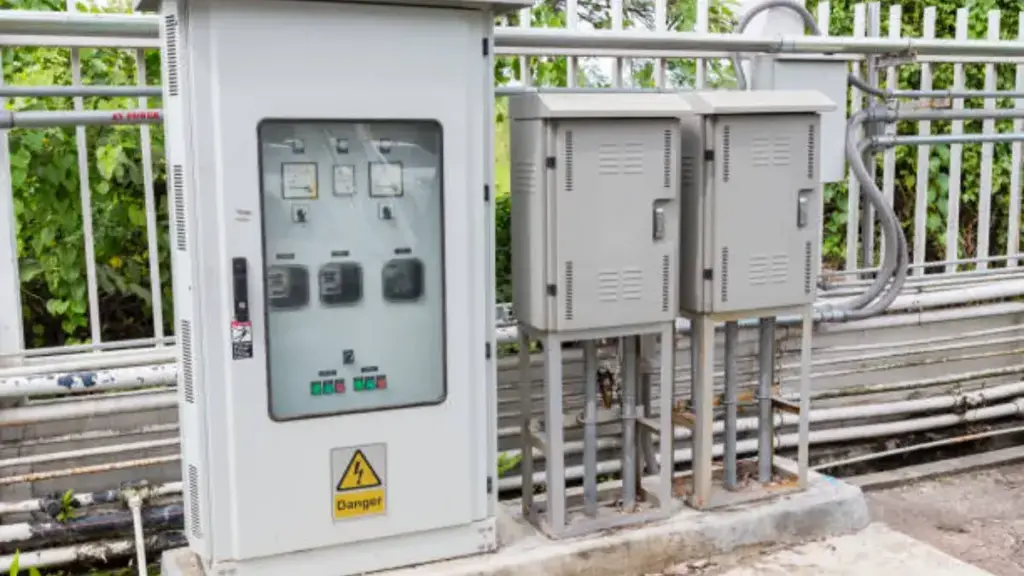
The right material depends entirely on the operating environment. 스테인레스 스틸 (Types 304 or 316) is the superior choice for outdoor, washdown, 선박, or chemical-exposed settings because it naturally resists corrosion without needing paint. For indoor, dry, and budget-sensitive applications, painted carbon steel works perfectly well, providing the necessary strength and thermal conductivity at a fraction of the cost.

How do you maintain carbon steel enclosures?

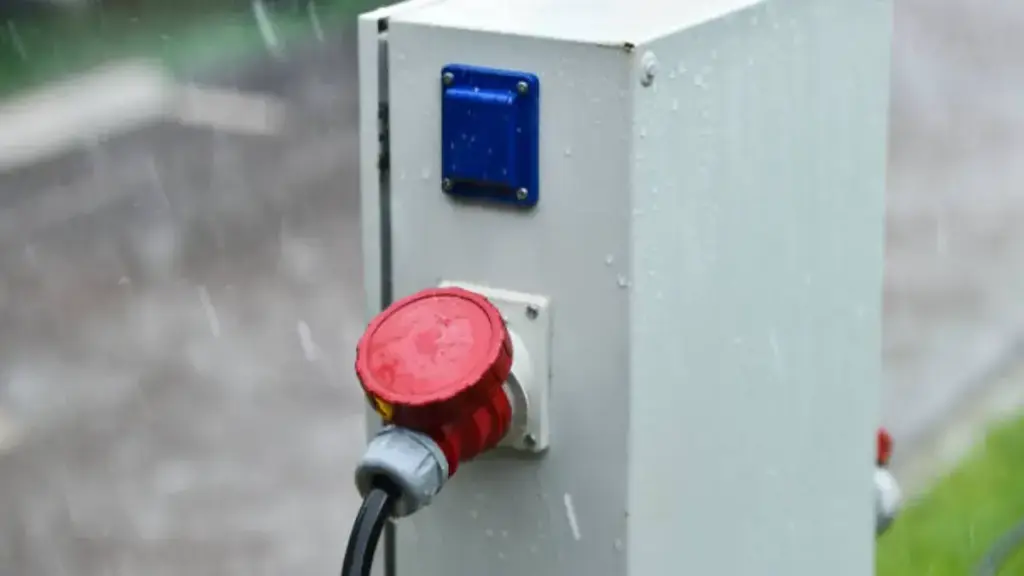
Maintaining carbon steel enclosures requires keeping them dry and protecting their coated surfaces. You should routinely wipe them down with a dry cloth or mild soap, ensuring they dry completely to prevent water spots. Inspect the paint or powder coating regularly for scratches or chips, and apply touch-up paint immediately to block moisture. In humid environments, adding dehumidifiers inside the enclosure and checking the door gaskets for wear will help stop internal rust.

Final Thoughts

Selecting the right metal for your enclosures comes down to balancing immediate budget constraints against long-term operational survival. While carbon steel offers an attractive upfront price for dry indoor applications, upgrading to stainless steel protects your profit margins from relentless maintenance costs over a 25-year lifecycle. Specifying the exact alloy for your environment remains the only reliable defense against structural failure and expensive facility downtime.

Stop guessing on material longevity and let hard data drive your procurement strategy. We recommend analyzing your specific environmental risks with our engineering team to pinpoint the exact metal grade your project demands. Contact SHIJIE today to verify our fully traceable material batches and discuss your custom OEM enclosure specifications.

Get in Touch

왓츠앱

지금 맞춤형 판금 프로젝트를 시작하세요

스테인레스 스틸 캐비닛 제조업체가 필요한지 여부, 알루미늄 캐비닛 공급업체, 또는 OEM 판금 인클로저 제조를 위한 신뢰할 수 있는 파트너, SHIJIE는 빠른 샘플링과 정시 배송을 통해 맞춤형 솔루션을 제공합니다..

엔드투엔드 제어: 설계 → 제작 → 조립 → 납품.

유연한 주문 처리: 프로토타입 제작부터 대규모 생산까지

글로벌 배송 99.5% 정시 요금.

무역회사의 신뢰를 받는, 프로젝트 개발자, 그리고 브랜드 오너.

*우리는 귀하의 기밀성을 존중하며 모든 정보는 보호됩니다.