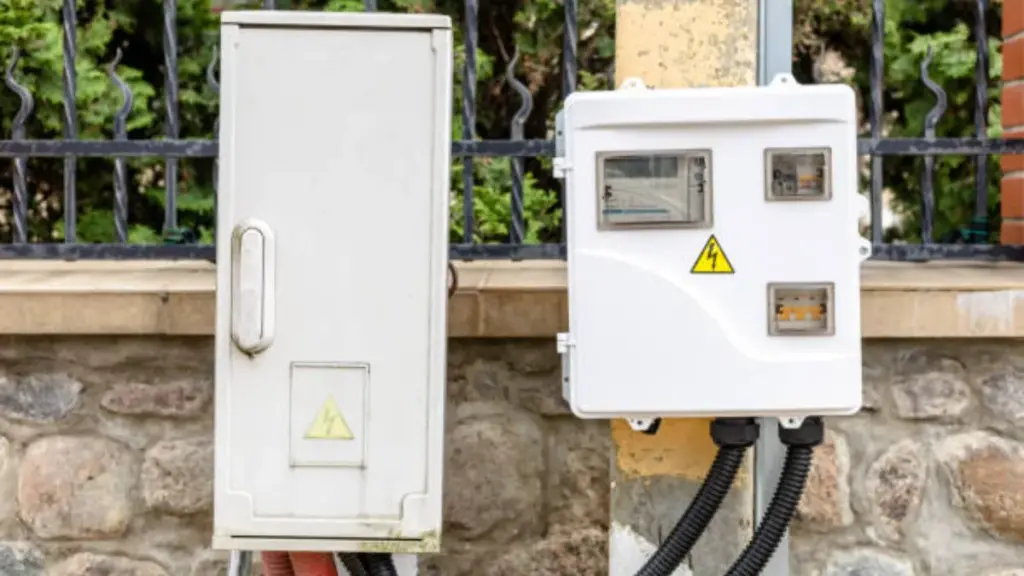
Enclosure design of electronic equipment dictates the survival rate of your hardware in harsh environments. Failing to balance active thermal management with structural rigidity guarantees catastrophic field failures and soaring warranty claims. A mere 10-degree Celsius temperature spike inside a poorly ventilated unit cuts the operational life of sensitive electrical components in half.
This analysis benchmarks material properties and cooling dynamics against strict industrial standards. We evaluate the exact manufacturing tolerances required to achieve IP66 ratings and the design frameworks that eliminate expensive custom tooling. Integrating these mechanical parameters early allows engineering teams to lock in exact fitment down to 0.03 millimeters and secure scalable mass production.
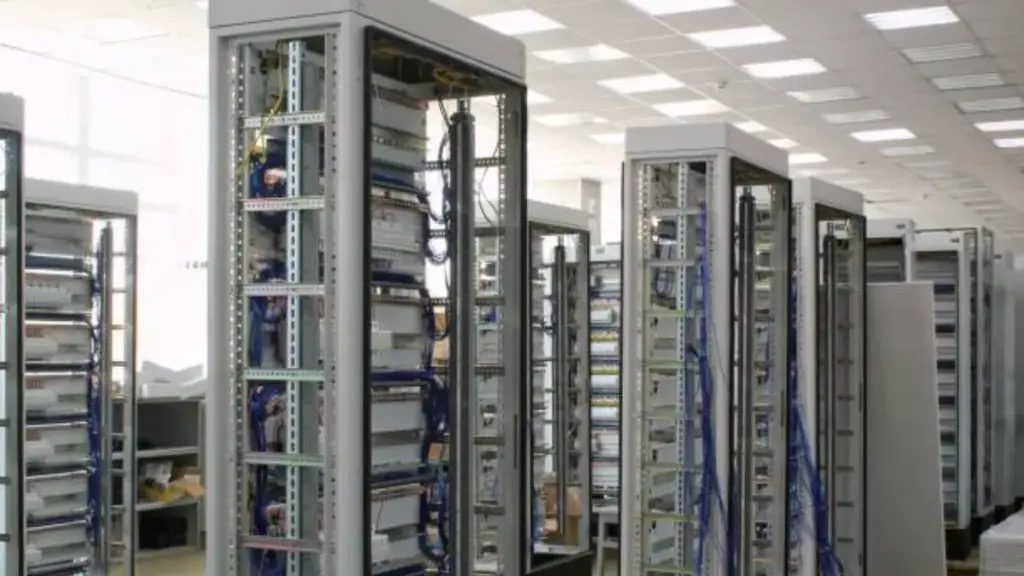
Importance of Strategic Enclosure Design
Modern enclosures act as active architecture, directly driving electrical performance, thermal efficiency, and system scalability. Integrating mechanical and electrical design early eliminates late-stage redesigns and ensures regulatory compliance.
Shifting from Passive Housings to Strategic Components
Standard boxes no longer meet the demands of high-power electronics. Strategic enclosure design transforms passive housings into active functional architecture that directly controls electrical behavior and thermal efficiency. Treating the shell as an afterthought risks premature component failure and thermal throttling.
Engineering teams integrate mechanical decisions alongside cooling paths and cabling layouts early in the development cycle. This synchronized approach prevents expensive redesigns when heat loads or spatial constraints shift late in the process.
Engineers build development-focused prototypes to validate these early choices. Prototyping allows teams to test material responses to high heat, constant vibration, and electromagnetic interference before committing to final production runs.
Driving System Scalability and Operational Safety
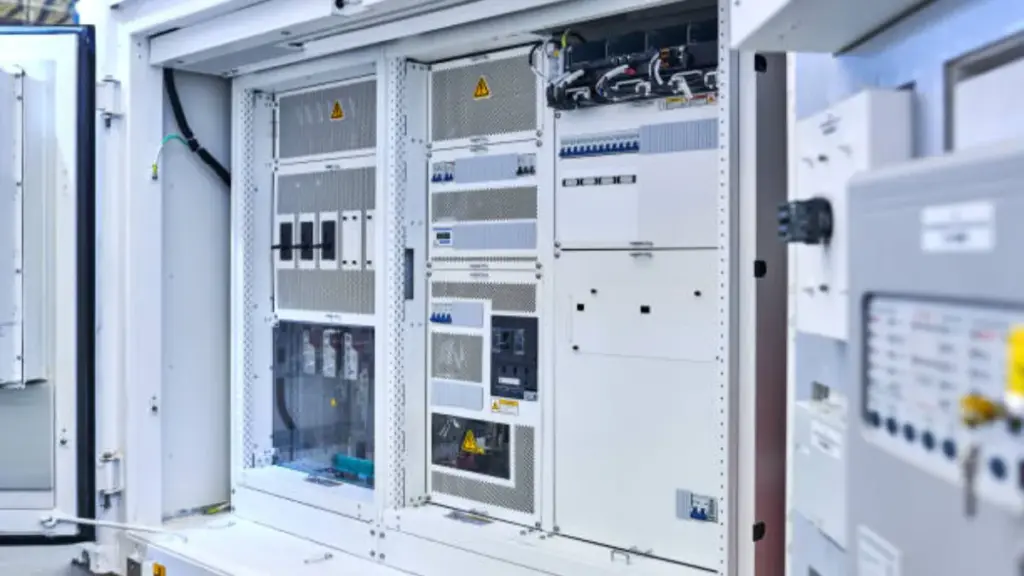
Complex high-voltage networks require physical frameworks that support rapid production scaling. Purpose-built enclosures provide critical structural support and guarantee electrical segregation, ensuring safe operation as power densities increase.
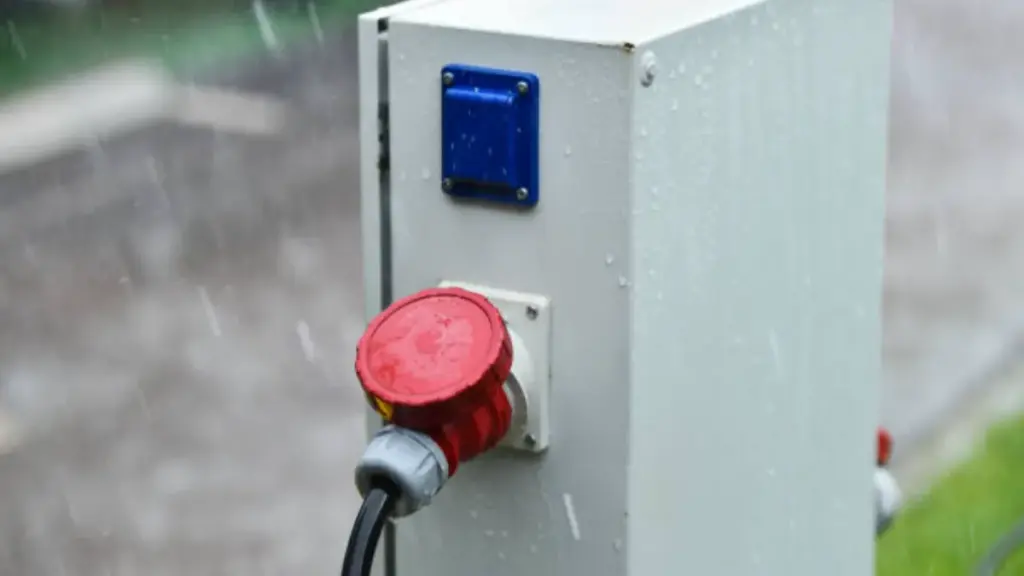
- Harsh Weather Protection: Purpose-built designs shield critical EV charging and industrial systems from environmental damage, keeping infrastructure online through 2026 and beyond.
- Access Security: Physical barriers prevent unauthorized access to internal systems, minimizing the risk of tampering or electrical hazards.
- Regulatory Compliance: Design teams select conductive materials and target specific IP ratings to meet strict safety standards while maintaining easy access for maintenance crews.
Securing these elements upfront guarantees your infrastructure scales safely across demanding industrial deployments without triggering compliance bottlenecks or maintenance delays.
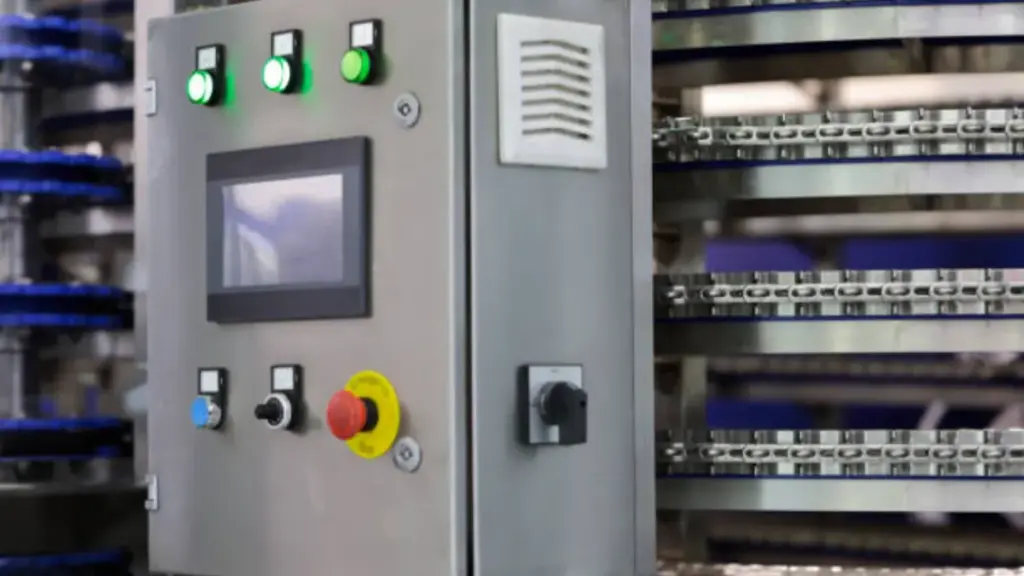
材料の選択: Aluminum vs. Steel
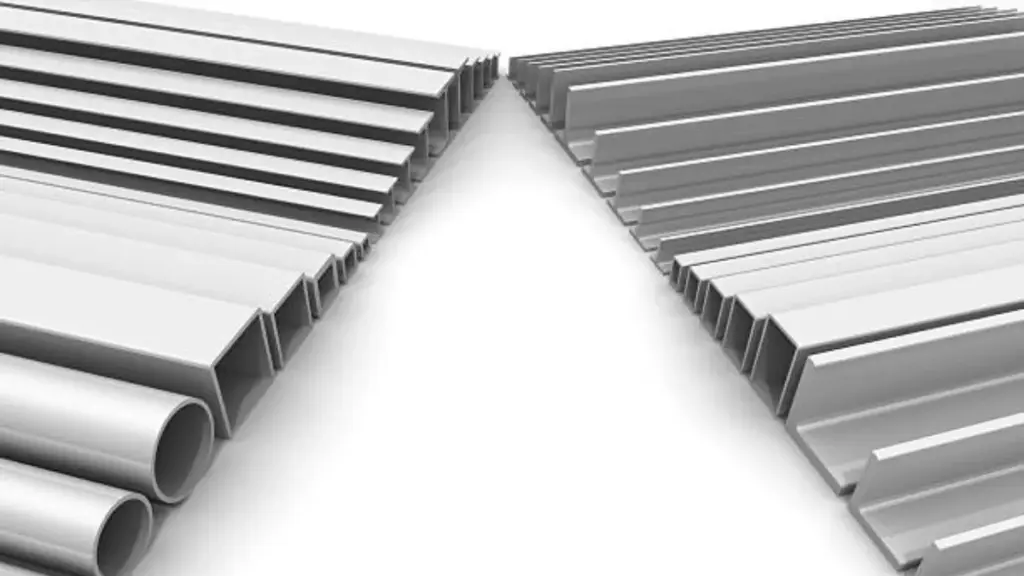
Aluminum offers lightweight thermal efficiency and cost savings for moderate environments, while steel delivers unmatched structural strength, EMIシールド, and corrosion resistance for extreme industrial conditions.
Performance and Structural Characteristics
Aluminum provides lightweight structures that simplify your transport and installation logistics. The metal also features excellent thermal conductivity, acting as a highly effective passive heat spreader for enclosed electronics. Steel takes a different approach. It delivers massive tensile strength and impact resistance, built specifically to survive harsh vibrations and high-security deployments.
- EMI Shielding: Steel blocks up to 95% of 60 Hz EMF, making it superior for signal protection, while aluminum manages a baseline 5% reduction.
- Workability: Manufacturers easily machine and form aluminum because of its malleability.
- Rigidity: Steel requires significantly more effort and specialized tooling to modify.
Corrosion Resistance and Application Suitability
Environmental exposure dictates your material choice. Aluminum builds its own defense mechanism by forming a protective oxide layer that handles moderate moisture well. You simply need to insulate it from dissimilar metals to stop galvanic corrosion. ステンレス鋼, specifically 304 そして 316 grades, dominates in brutal environments by aggressively resisting chlorides and saltwater.
- Severe Exposures: ステンレス鋼 (304 そして 316) serves as the primary choice for coastal, 海洋, and chemical plant installations.
- Coating Dependency: Carbon and galvanized steels rely entirely on intact paint or coatings to prevent rust, forcing ongoing maintenance if the surface scratches.
- Project Economics: Aluminum keeps unit costs lower for budget-conscious projects, while stainless steel demands a premium upfront price to guarantee long-term reliability.
Durable Industrial Enclosures for Maximum Protection
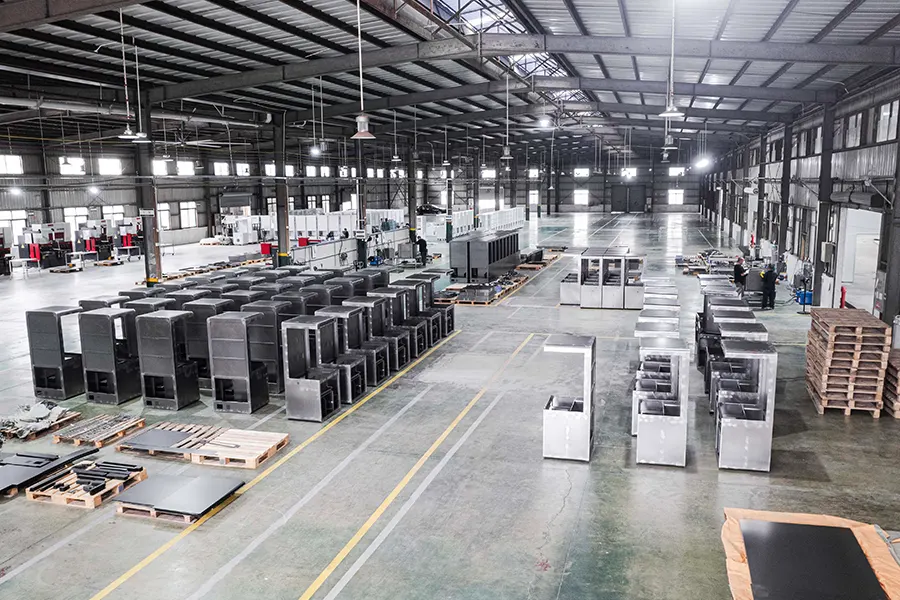
Thermal Management & Heat Dissipation
Effective thermal management prevents component failure. You must calculate total heat loads, select conductive materials like Aluminum 5052-H32, and strategically place cooling systems to maintain safe operating temperatures.
Heat Load Calculation and Material Selection
To keep electronics running reliably, engineers must define the exact thermal limits of an enclosure. You start by calculating the total internal heat load. This means documenting the power dissipation from every internal component and factoring in external variables like ambient temperature spikes and solar loading. The goal is to design internal temperature limits that satisfy the strictest component operating range in the system.
Once you define the heat load, your material choices dictate how well the enclosure manages that thermal energy:
- Thermal Conduction: Choose Aluminum 5052-H32 to rapidly pull heat away from internal electronics and dissipate it into the environment.
- Thermal Insulation: Use Polycarbonate when you need to block external heat from reaching sensitive internal parts.
- Surface Treatments: Apply IR-reflective coatings to minimize absorptivity and reduce the overall thermal burden on your cooling setup.
Cooling Methods and Internal Layout Strategies
Cooling strategy directly impacts equipment lifespan. For enclosures with low heat loads, engineers implement passive cooling methods like natural convection and direct material conduction first. When passive methods hit their limits, you must integrate active cooling systems—such as fans, air conditioners, or heat exchangers—sized specifically for your total heat load and required IP rating.
Internal layout and thermal validation require precise execution to guarantee long-term reliability:
- Component Placement: Position high-heat components at the top of the enclosure to support natural convection and distance them from temperature-sensitive devices.
- Thermal Interface Materials (TIMs): Apply metallic phase change materials to eliminate insulating air gaps between heat-generating parts and heat sinks.
- Simulation Validation: Run CFD simulations to verify airflow paths, fan sizing, and heat sink efficiency to keep all parts within safe operating limits.
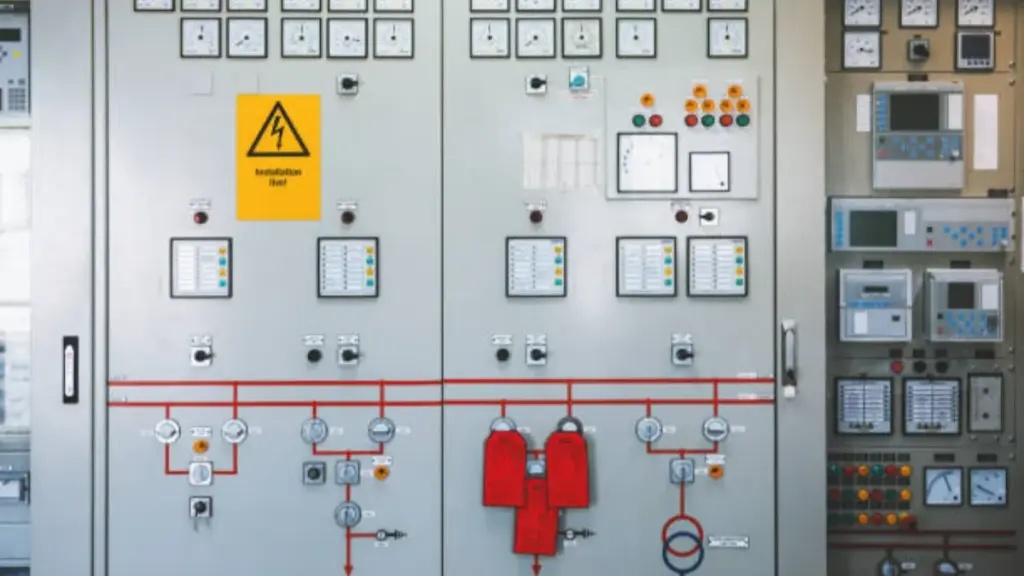
EMI/RFI Shielding Requirements
Effective EMI/RFI shielding protects internal circuits and ensures regulatory compliance. Engineers achieve this by combining inherent material properties, conductive coatings, and strategic enclosure design.
Shielding Mechanisms and Material Selection
Electromagnetic interference demands a physical barrier. Shielding relies on two primary mechanisms: reflection and absorption. Conductive surfaces bounce electromagnetic waves away from sensitive components, while specific absorbent materials convert wave energy into trace amounts of heat.
Solid metal enclosures naturally block interference, but many modern designs require lightweight plastic housings. To match the inherent shielding properties of solid metal, engineers apply conductive coatings like silver or copper sprays directly to the interior of these plastic enclosures.
Since enclosures require seams, doors, and access points, designers must seal the gaps to prevent signal leakage. They secure the enclosure perimeter using supplementary shielding materials:
- Conductive gaskets: Seal physical gaps between enclosure panels and mating surfaces.
- Elastomers: Provide flexible, conductive joints that accommodate mechanical tolerances.
- Die-cut tapes: Ground specific internal components and patch localized vulnerabilities.
Design Strategies and Regulatory Compliance
A successful enclosure requires full internal coverage without suffocating the device. Design teams balance complete shielding with strategic ventilation. They map out airflow and signal paths to ensure the shielding blocks unwanted noise without deadening essential internal wireless signals.
Integrating these shielding requirements early in both the printed circuit board (PCB) and enclosure design phases is critical. Waiting until the prototyping stage to address signal leakage leads to expensive post-manufacture rework and delayed product launches.
Devices launching in the 2026 market face strict electromagnetic compatibility (EMC) standards. Regulatory bodies require built-in compliance across several global frameworks:
- FCC emission limits: Dictate strict interference thresholds for electronic equipment entering the US market.
- CE conformity: Ensures alignment with European Union interference and susceptibility directives.
- MIL-STD durability: Mandates extreme shielding reliability for aerospace, defense, and heavy industrial applications.
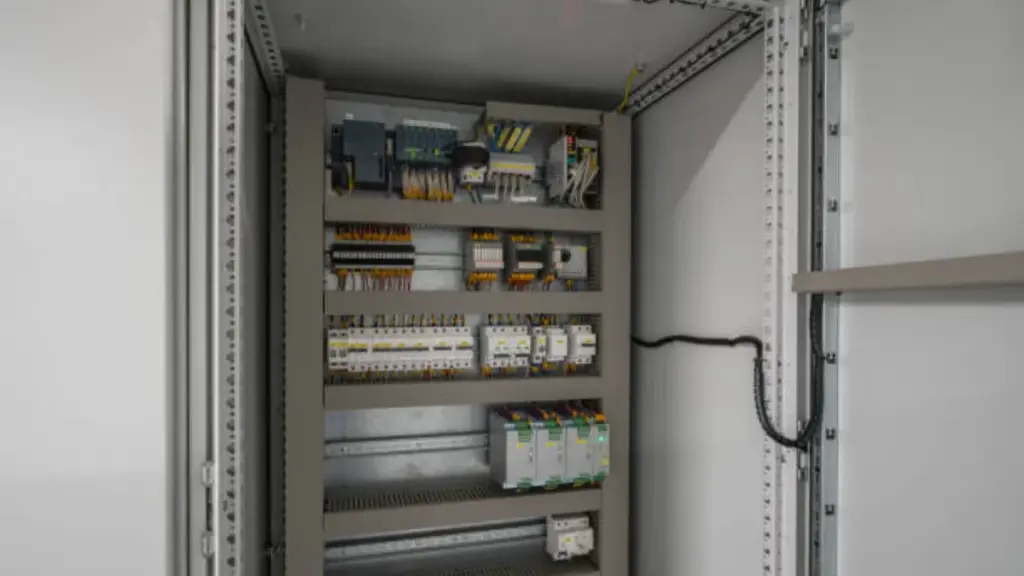
Designing for Manufacturability (DFM)
Integrating Design for Manufacturability (DFM) early prevents costly late-stage redesigns. Aligning PCB layouts with mechanical enclosures ensures consistent yields, streamlined assembly, and long-term hardware reliability.
| DFM Focus Area | Actionable Strategy | Manufacturing Benefit |
|---|---|---|
| Component Selection | Prioritize multi-source, rework-friendly packages (0402/0603, DFN/QFN) | Secures component availability and minimizes assembly line stops |
| PCB Layout | Optimize placement for automated assembly and post-assembly test access | Streamlines pick-and-place processes and functional testing |
| Mechanical Integration | Validate gasket compression and match hole sizes to physical fasteners | Prevents board warping and mechanical alignment failures |
Core Principles of Electronics DFM
Solidifying your DFM strategy requires specific tactical decisions at the component and layout stages. Engineers must prioritize standard parts and plan for real-world mechanical stresses before the first prototype hits the production floor.
- Component Sourcing: Select multi-source components with stable availability through 2026, favoring rework-friendly packages like 0402/0603 passives or DFN/QFN for power ICs.
- Automated Assembly: Optimize PCB placement for pick-and-place machines while guaranteeing enclosure access for test points and boundary scan chains.
- Material Compatibility: Incorporate robust thermal management and CTE-matched materials to prevent mechanical alignment failures during high-volume production runs.
Best Practices for Enclosure Integration
Merging the bare board with its mechanical housing demands tight dimensional control. Engineers lock the PCB stack-up with exact impedance targets early in the design phase. You need to match all mounting hole sizes directly to the enclosure fasteners to prevent board warping during final assembly.
Mechanical validation requires physical trials. Production teams validate gasket compression and screw torque limits through real-world testing, utilizing specific datums to maintain strict mechanical tolerances across all production batches.
Quality control dictates your final production success. Define clear Automated Optical Inspection (AOI) and X-ray inspection plans specifically for QFN and BGA components. Establishing these inspection parameters upfront boosts your first-pass manufacturing yields and catches hidden joint defects before units ship.
Structural Integrity and Durability
Structural integrity relies on precise material selection and testing. ASTM-grade steel, finite element modeling, and strict NEMA or IP ratings ensure enclosures survive extreme industrial hazards.
Key Design Factors for Structural Integrity
Engineers design enclosures to survive aggressive mechanical stress, vibration, and harsh handling. Material selection forms the baseline of this defense. We specify carbon steel (ASTM A1008) and stainless steel (ASTM A240) because these heavy-duty substrates easily withstand concurrent horizontal forces up to 0.5 psi without deforming or failing.
Once you choose the right metal, you need to validate the physical geometry. We apply finite element modeling (FEM) to map load distributions and reinforce resonant points across the chassis. This testing ensures the frame absorbs shock and resists vibration. For heavy-duty or naval applications, you must align these structural designs with strict military specifications like MIL-STD-901E and MIL-STD-167-1A.
Protection Ratings and Durability Enhancements
Environmental hazards destroy unprotected electronics fast. You must define precise ingress protection and structural enhancements based on the exact deployment site to guarantee long-term performance.
- Ingress Protection: Select IP65 or higher to completely block dust and survive direct water jets in factory settings.
- Corrosion Resistance: Specify NEMA 4X enclosures to combat salt and chemicals in extreme coastal environments.
- Signal Integrity: Integrate conductive gasketing and EMI filters to meet MIL-STD-461 shielding requirements.
- Safety Compliance: Secure UL 50/50E safety certifications to validate baseline protection against fire and electrical shock.
Matching the exact rating to the operational environment prevents over-engineering while locking out moisture and signal interference. Proper gasketing combined with certified steel ensures the enclosure maintains its defensive perimeter for the entire lifespan of your equipment.
Customization for Telecommunications & Energy
Telecom and energy enclosures demand strict environmental protection and electromagnetic shielding. Custom configurations ensure compliance with GR-63-CORE and NEMA standards while securing high-voltage infrastructure.
Telecommunications Enclosure Configurations and Standards
Engineers deploy telecommunications enclosures across highly variable environments. Site requirements dictate specific structural formats and strict adherence to international safety benchmarks to maximize equipment lifespan.
- Deployment Configurations: Indoor, 屋外, 壁掛け式, and floor-standing designs adapt directly to specific spatial and environmental deployment constraints.
- Equipment Organization: The 19-inch rack format serves as the primary international standard for staging and securing networking hardware.
- Environmental Defense: NEMA Type 4 and 4X ratings ensure watertight protection and resist corrosion to keep outdoor telecom equipment operational.
- Baseline Reliability: Compliance with the GR-63-CORE specification ensures standard enclosure resilience against physical and thermal stress in telecommunications settings.
Energy Sector Requirements and Electromagnetic Shielding
Energy infrastructure houses active electrical components that generate massive thermal loads and intense electromagnetic fields. Enclosure design in this sector prioritizes signal containment, active cooling, and physical security.
- Material Shielding: Pre-coated steel and aluminum naturally block electromagnetic interference to protect critical energy applications.
- Signal Containment: Conductive gaskets seal seams and access points to prevent signal leakage and maintain total enclosure integrity.
- Thermal Control: Integrated thermal management systems, including fans and heat exchangers, extract trapped heat to prevent active electrical systems from overheating.
- Physical Security: Lockable doors and reinforced structural frames protect grid infrastructure from unauthorized access and vandalism.
SHIJIE’s Advanced CNC Machining Process
SHIJIE uses high-precision CNC machining to shape custom enclosures from steel and aluminum. The end-to-end process delivers IP66 and NEMA 4X rated structures ready for final system assembly.
Precision CNC Milling Capabilities
Operators run high-precision CNC mills to cut, carve, and shape raw materials directly into your specific enclosure designs. The machining setup accommodates highly customized specifications without extending lead times. We routinely execute intricate cutouts, tap threaded holes, and mill unique structural features like deep pockets or grooves to match exact board layouts.
Beyond standard enclosure shaping, シジエ executes fine processing for copper, 鋼鉄, and aluminum molds. The facility also manages specialized glass processing to support displays and interfaces in digital electronics.
Material Selection and System Assembly
Engineers fabricate enclosures from industrial-grade metals tailored to the final deployment environment. Aluminum remains the top choice across most projects due to its excellent machinability and thermal properties.
- アルミニウム: Grades 6061 そして 5052 for lightweight, precision applications.
- Cold Rolled Steel: SPCC for standard indoor structural rigidity.
- ステンレス鋼: Grades 304 そして 316 for heavy-duty corrosion resistance.
The production team builds structures that achieve rigorous IP66 and NEMA 4X ratings. This robust sealing defends internal hardware against water, ほこり, and physical impact in harsh field conditions. SHIJIE integrates the entire manufacturing workflow under one roof. We drive projects straight from initial material selection through to complete, end-to-end system assembly.
Frequently Asked Questions
What are the core principles of enclosure design?
Enclosure design protects internal electronics from environmental, electromagnetic, and mechanical hazards. Engineers balance physical protection with thermal performance, usability, and manufacturability. Core principles include mapping environmental threats to specific IP ratings, integrating EMI shielding, sizing thermal management systems, and building the housing to meet strict safety standards like UL and CE.
How do engineers choose materials for electronic enclosures?
Engineers base material selection on environmental exposure, mechanical load, thermal demands, and electromagnetic compatibility. Plastics like ABS and polycarbonate deliver lightweight, cost-effective protection with solid impact resistance for moderate environments. For harsh industrial settings, metals like aluminum and steel take over. They offer high tensile strength, 優れた放熱性, and natural EMI shielding.
What is thermal management in enclosures?
Thermal management controls the internal temperature of electronic housings to prevent overheating and maximize component lifespan. Sealed enclosures naturally trap the heat generated by internal power supplies and processors. To combat this, designers map out heat loads and install passive cooling systems like heat sinks and heat pipes. When passive methods fall short, they escalate to active solutions like cooling fans, heat exchangers, or dedicated air conditioners.
Why is EMI shielding important?
EMI shielding protects sensitive internal circuits from outside electromagnetic interference and stops the device’s own emissions from jamming nearby equipment. Designers use conductive metals, metallized plastics, or specialized gaskets to build a physical barrier. This barrier reflects or absorbs stray electromagnetic waves. Proper shielding guarantees reliable operation and keeps the hardware compliant with mandatory FCC and CE emissions standards.
How can you reduce the weight of an electronic enclosure?
Designers cut weight by swapping heavy carbon steel for engineering plastics, magnesium, or aluminum alloys. They apply structural optimization techniques like hollowing out non-structural zones and adding conformal ribbing to maintain rigidity. Manufacturing methods like thin-wall die casting or gas-assisted injection molding allow engineers to hit tight weight targets without sacrificing the enclosure’s mechanical strength.
What are common enclosure IP ratings?
IP ratings define exactly how well an enclosure blocks solids and liquids. The first digit rates protection against solids like dust, and the second digit measures water resistance. Industrial electronics typically require IP54 or IP65 ratings to survive airborne dust and direct water jets. For extreme outdoor deployments or marine settings, engineers specify IP67 or IP68 ratings to protect hardware against complete water submersion.
Final Thoughts
Treating an enclosure as a passive afterthought guarantees premature component failure and expensive compliance bottlenecks. While generic housings offer lower upfront costs, integrating strategic mechanical design and precision CNC machining is the only way to safeguard your infrastructure against extreme industrial environments. Executing proper Design for Manufacturability (DFM) upfront protects your production timeline and secures long-term field reliability.
Do not expose your critical electronics to unverified physical and thermal risks. We recommend initiating a prototype run with SHIJIE to validate material performance, EMIシールド, and dimensional tolerances firsthand. Contact our engineering team to discuss your specific OEM requirements and lock in a scalable manufacturing plan.